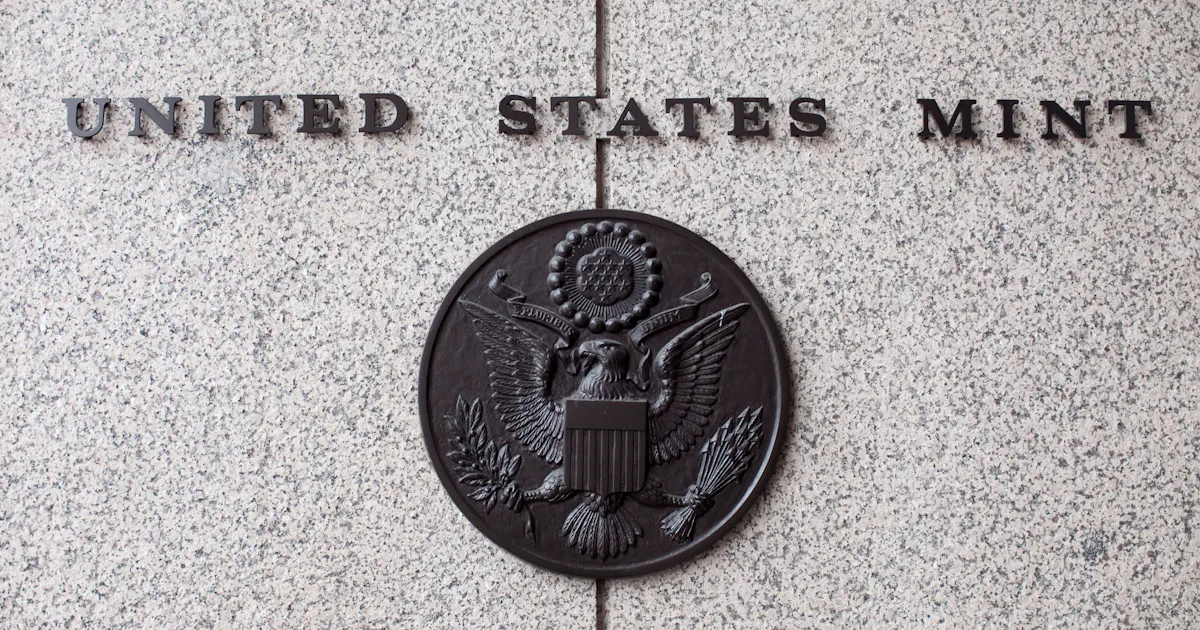
The U.S. Mint is accused of sourcing gold from illicit foreign mines, including a Colombian operation tied to the Clan del Golfo cartel, despite a 1985 law banning foreign gold bullion. The investigation says the trade may have funneled hundreds of millions of dollars to cartel, terrorist, and state-linked actors, with proceeds financing conflict and sanctions evasion. Treasury Secretary Scott Bessent said the department will open an investigation into whether Mint suppliers comply with the law and national security requirements.
This is less a direct read-through for NYT than a governance and margin-integrity event for the broader precious-metals ecosystem. If the Mint is forced to tighten sourcing, the first-order effect is not a collapse in gold demand but a repricing of “clean” provenance: compliant refiners, assay providers, logistics firms, and bullion distributors should capture share as buyers pay up for auditability and chain-of-custody. The second-order loser is the gray-market arbitrage that has allowed non-OECD supply to clear at near-parity; once a government buyer is under scrutiny, counterparties will demand deeper discounts or walk away, pushing marginal ounces into the spot market at less transparent venues.
The catalyst path matters: the headlines are immediate, but legal and procurement changes are a months-to-years process. Near term, expect investigation headlines and contractor churn; medium term, the real risk is a forced re-papering of sourcing contracts that could create temporary dislocation in refined gold supply and widen spreads between accredited and non-accredited product. That kind of friction is bullish for incumbents with LBMA-grade compliance and negative for small refiners, scrap aggregators, and any distributor whose thesis depends on “origin agnostic” gold.
The contrarian view is that the market may overestimate direct earnings impact on NYT while underestimating policy spillovers. The scandal increases the probability of broader sanctions-enforcement spillover into bullion chains tied to Russia, Latin America, and conflict zones, which could tighten supply just as gold remains a preferred store of value under geopolitical stress. In other words, the medium-term trade is not “sell gold”; it is “buy provenance, short opacity.”
AI-powered research, real-time alerts, and portfolio analytics for institutional investors.
Request DemoOverall Sentiment
strongly negative
Sentiment Score
-0.75
Ticker Sentiment
