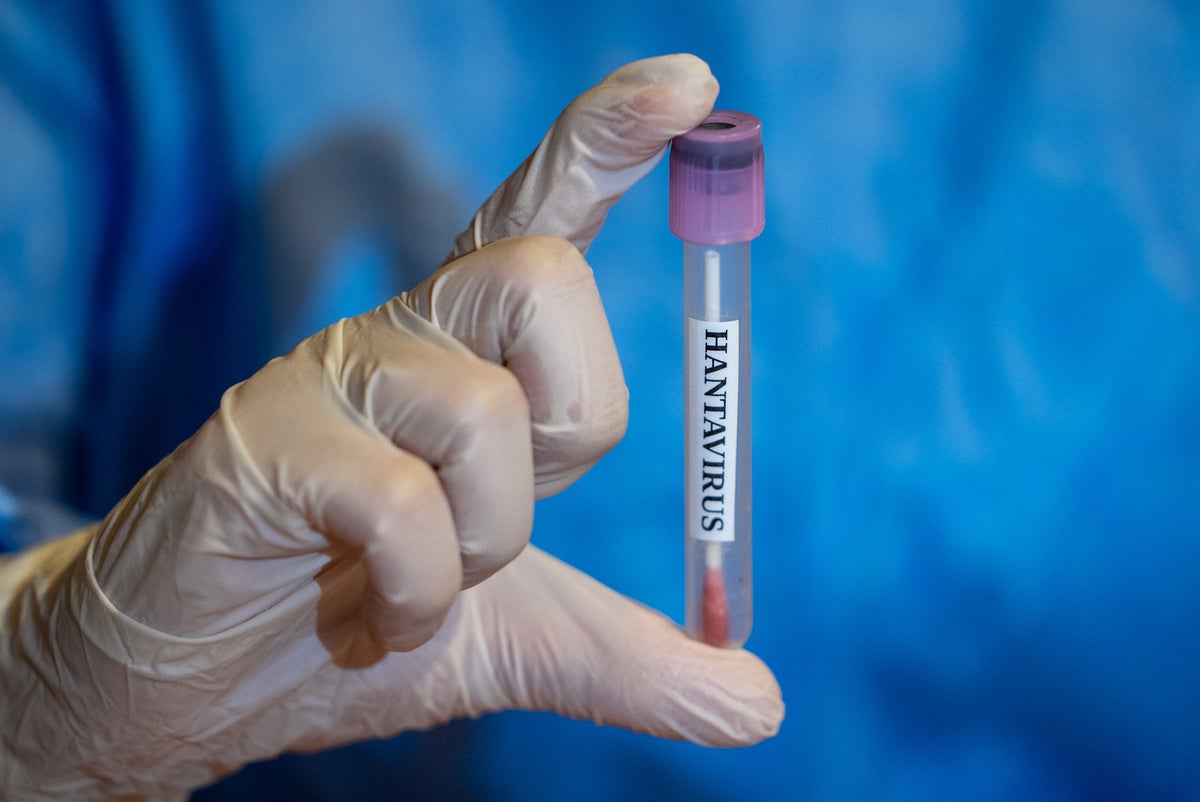
The MV Hondius hantavirus outbreak has resulted in at least 3 confirmed infections and 3 deaths among suspected/confirmed cases, underscoring the lack of approved treatments or vaccines for the Andes strain. The article also highlights long-running vaccine and antibody development efforts, including phase 1 trials for Andes, Hantaan and Puumala and the SAB-163 antibody program, but no human phase 1 data yet for SAB-163. Market impact is likely limited, though the event is a reminder of infectious-disease risk for travel and specialty biotech.
This is less a tradable “outbreak” story than a reminder that the market for countermeasure innovation is structurally underfunded until a visible event creates political urgency. The second-order beneficiary is not travel insurance or broad vaccine names, but the small set of platform-capable biodefense developers and manufacturers that can convert existing nucleic-acid, antibody, or rapid-fill/finish capacity into a niche indication with government-backed procurement. The key commercial difference is that a rare, high-fatality pathogen can still be attractive if it becomes a stockpiled asset rather than a retail vaccine; that shifts the value chain from mass demand to BARDA/DoD-style funding and advanced purchase commitments.
The risk window is multi-year, but the catalyst window is days-to-months for sentiment and procurement headlines. In the near term, the main implication for travel/leisure is reputational: any confirmed human-to-human transmission narrative can pressure expedition cruising, remote-tour operators, and carriers with South America/Antarctica exposure, even if the absolute epidemiological risk remains contained. The larger medium-term variable is whether this event nudges governments to fund broader rodent-borne hemorrhagic fever platforms, which would be a positive for select vaccine and antibody developers but negative for pure-play commercial discipline, because it would validate a small, lumpy market with uncertain timing.
The contrarian view is that the market may overestimate the immediate public-health spillover and underestimate the probability that this remains a localized cluster with limited transmission. That argues against chasing broad “pandemic hedge” baskets. What may be underpriced is the optionality in companies that already have human antibody or mRNA infrastructure and could repurpose it fastest if procurement accelerates; those names can re-rate on a small amount of external validation without needing a large incidence curve. Conversely, the absence of near-term treatment/vaccine options also means any future confirmation of broader spread would create a sharp, nonlinear headline reaction from a low base.
AI-powered research, real-time alerts, and portfolio analytics for institutional investors.
Request DemoOverall Sentiment
moderately negative
Sentiment Score
-0.40
