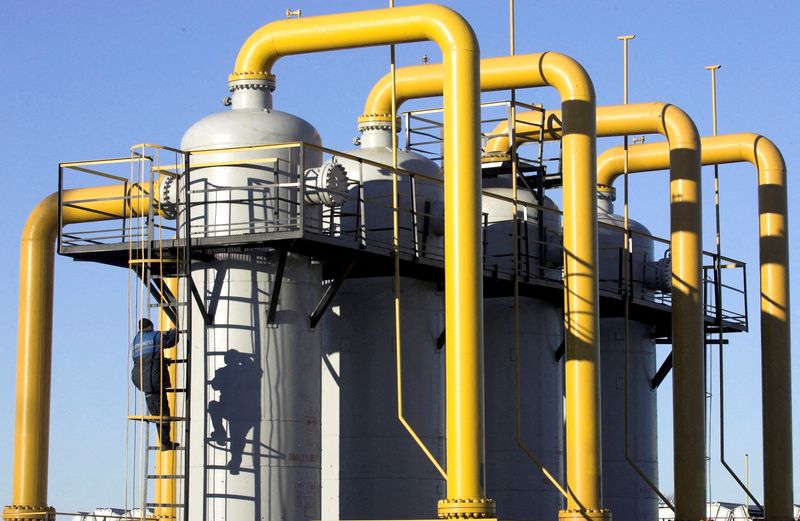
Dutch TTF futures jumped 16.6% to €62.26/MWh (intraday high €69.50) and US natural gas rose 5.4% to $3.36/MMBtu after the forced closure of Qatar’s Ras Laffan LNG complex. European gas had surged 67% last week, WTI crude vaulted back above $100/bbl, and global bond prices fell as markets repriced higher inflation and interest-rate risk; supply-chain disruptions could persist even if hostilities cease.
The immediate energy shock is already transmitting through at least two non-obvious channels: cargo rerouting and compute economics. Higher landed LNG and oil in Europe will bid away marginal cargoes, forcing Asia to either curtail industrial load or pay materially higher spot premiums; manufacturers with tight margins will shutter or delay orders in the next 1–3 months, compressing demand for mid-cycle enterprise IT refreshes while accelerating demand for higher-efficiency, higher-density server hardware.
That bifurcation creates a short-term macro squeeze (inflation, rate repricing, stronger USD) and a structural tech rotation. In a 3–12 month window expect multiple compression on ad/consumer-facing SaaS and app monetization businesses as marketing budgets are cut, while suppliers of hyperscale-optimized hardware that improve $/Watt and $/rack economics capture outsized incremental orders from cloud customers defending margin.
Tail risks are asymmetric and time-dependent. Days–weeks: escalation or new chokepoints can spike volatility and force fast repositioning of flows; months: winter storage cycles and contract reroutes determine realized shortages; 12–24 months: sustained higher energy pricing accelerates capex into efficiency, benefiting vendors that can demonstrably lower operating cost per compute unit. A rapid diplomatic resolution, cargo insurance normalization, or emergency reserve releases would reverse most price moves within weeks.
Consensus is focused on commodity winners; it underestimates the winners among capital goods that sell efficiency. That argues for small, option-sized exposure to high-efficiency server suppliers versus larger, more liquid short exposure to ad-driven app platforms that are first-order victims of a demand shock and FX headwind.
AI-powered research, real-time alerts, and portfolio analytics for institutional investors.
Overall Sentiment
strongly negative
Sentiment Score
-0.60
Ticker Sentiment
