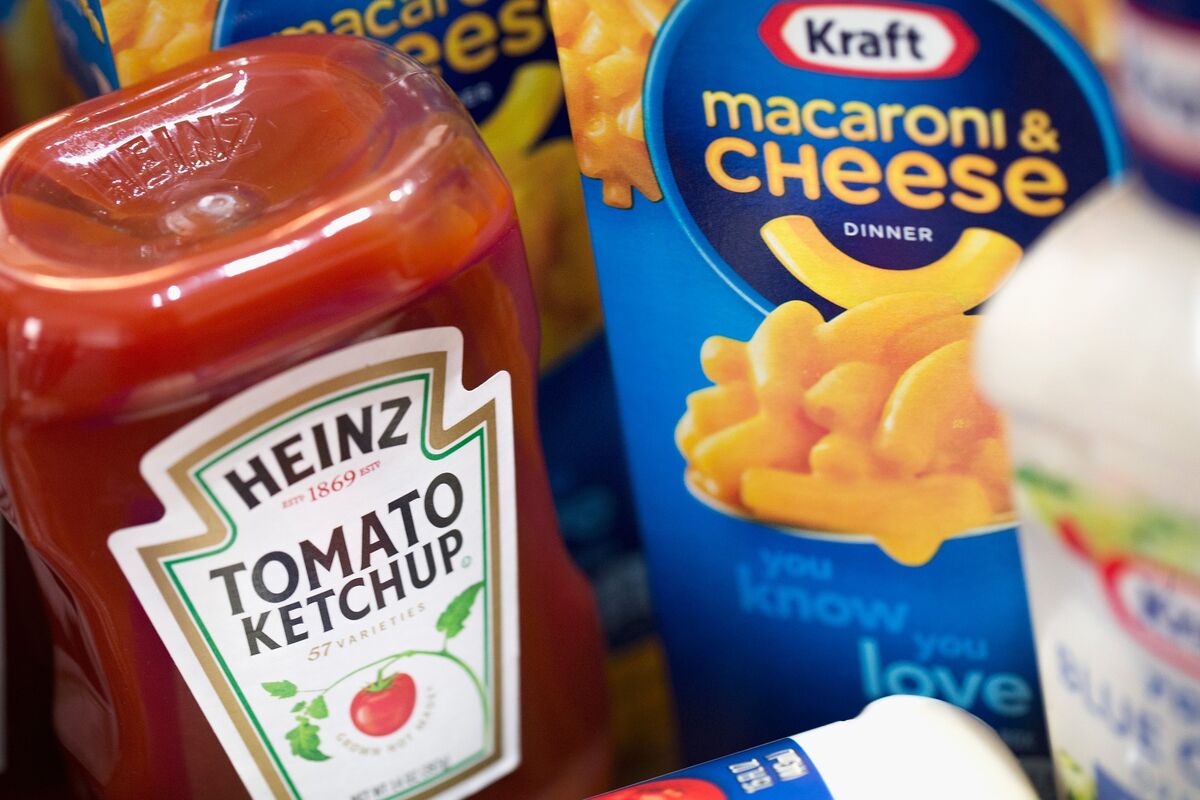
Kraft Heinz is reportedly considering a split into distinct condiment and grocery businesses, signaling the definitive failure of its 2015 merger of HJ Heinz Co. and Kraft Foods Group Inc. This potential unwinding serves as a cautionary tale for M&A, challenging the conventional wisdom that scale inherently drives value and highlighting how it can, instead, become a significant impediment to growth. The move suggests the constituent parts may achieve greater success operating independently.
The potential unwinding of The Kraft Heinz Company (KHC) into separate condiment and grocery businesses signals a definitive failure of its 2015 mega-merger. This development serves as a significant cautionary tale for M&A strategies predicated on the benefits of scale, challenging the common bidder claims of management superiority and synergy creation. The prolonged underperformance since the merger, culminating in this strategic reversal, suggests that the combined scale became more of a hazard than a benefit, impeding agility and growth. The market's strongly negative sentiment, reflected in a -0.9 score for KHC, underscores deep investor disappointment and validates the view that the constituent parts might have a greater potential to thrive independently. This situation highlights critical governance and strategic planning failures and serves as a case study on the risks of integration without a clear path to organic growth.
AI-powered research, real-time alerts, and portfolio analytics for institutional investors.
Request DemoOverall Sentiment
strongly negative
Sentiment Score
-0.65
Ticker Sentiment
