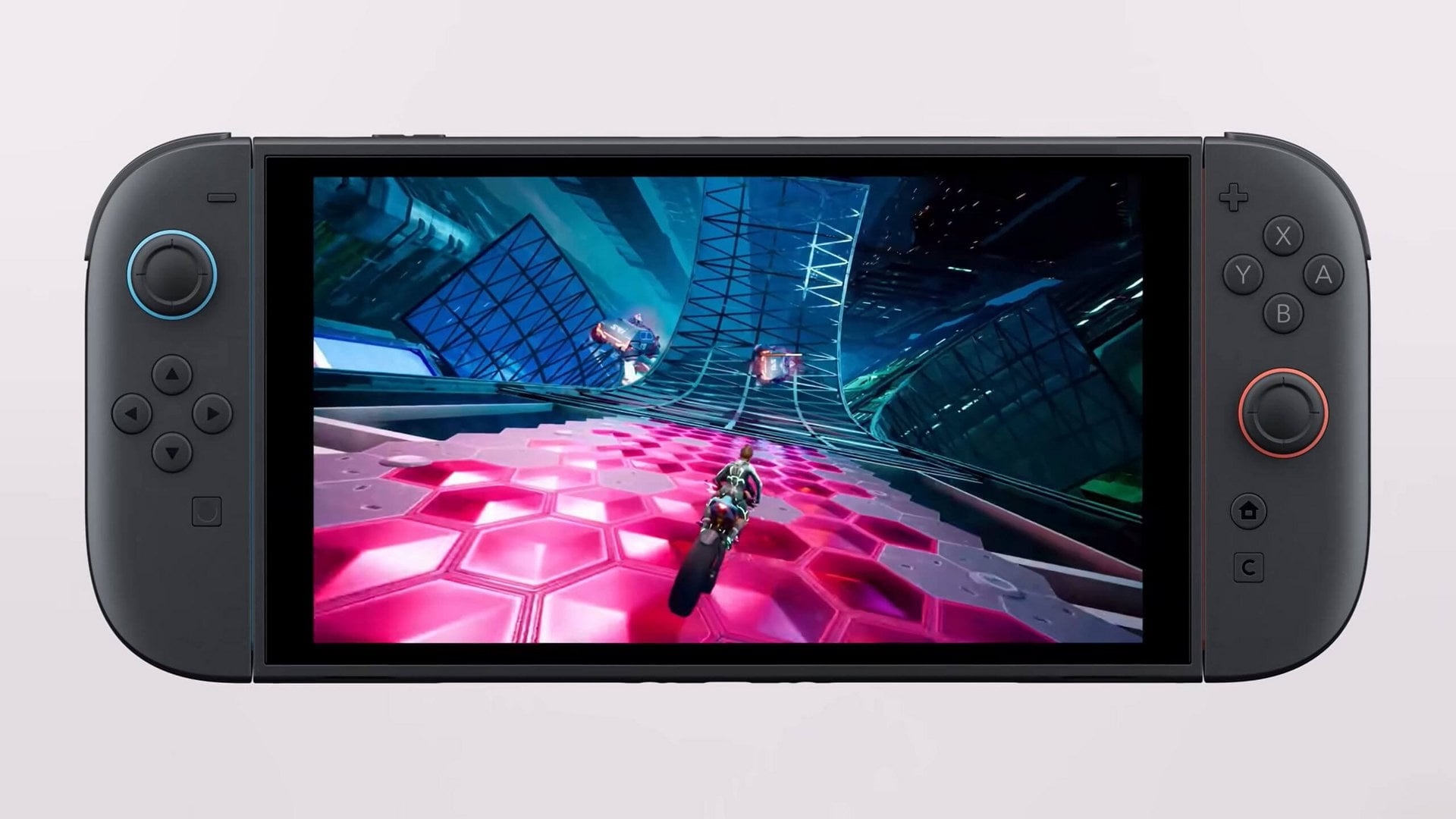
Nintendo is raising Switch 2 prices in the US to $499.99, Canada to CAD 679.99, and Europe to €499.99, citing "changes in market conditions" and the "global business outlook." The company says additional regions will also see hikes, while the original Switch is mostly spared except in Japan. The move appears tied to higher component costs from AI-related demand, making this a modestly negative development for consumers but likely a limited market-moving event.
This is less about one console vendor and more about a supply-chain pricing regime shift: AI infrastructure is now competing directly with consumer electronics for the same constrained memory and packaging inputs. The important second-order effect is margin compression for hardware OEMs that lack pricing power, while component suppliers with scarce capacity can keep re-rating as long as AI capex stays elevated. For SONY and MSFT, the near-term concern is not just consumer demand elasticity, but whether their next hardware refresh cycles need to re-base MSRP higher, which risks slowing attach rates and extending replacement cycles into 2026.
The market will likely underappreciate that console price hikes can be growth-negative even if unit economics improve. Higher sticker prices reduce holiday conversion, but the bigger issue is downstream software monetization: fewer households entering the platform today means less digital spend and subscription revenue over the next 12-24 months. That creates a subtle but meaningful earnings-duration issue for platform businesses that rely on installed-base expansion to support content and services multiples.
The contrarian view is that this is not necessarily a demand-collapse signal; it may simply be a normalization of pricing after years of subsidized hardware. If AI memory demand stabilizes or OEMs expand capacity faster than expected, the margin headwind could fade in 2-3 quarters, making the price increases look like a one-off reset rather than the start of a broader consumer downcycle. But if NAND/DRAM spot prices keep rising through the next two reporting cycles, the contagion risk extends beyond gaming into PCs, phones, and networking gear, amplifying an inflationary squeeze across discretionary hardware.
AI-powered research, real-time alerts, and portfolio analytics for institutional investors.
Request DemoOverall Sentiment
mildly negative
Sentiment Score
-0.20
Ticker Sentiment
