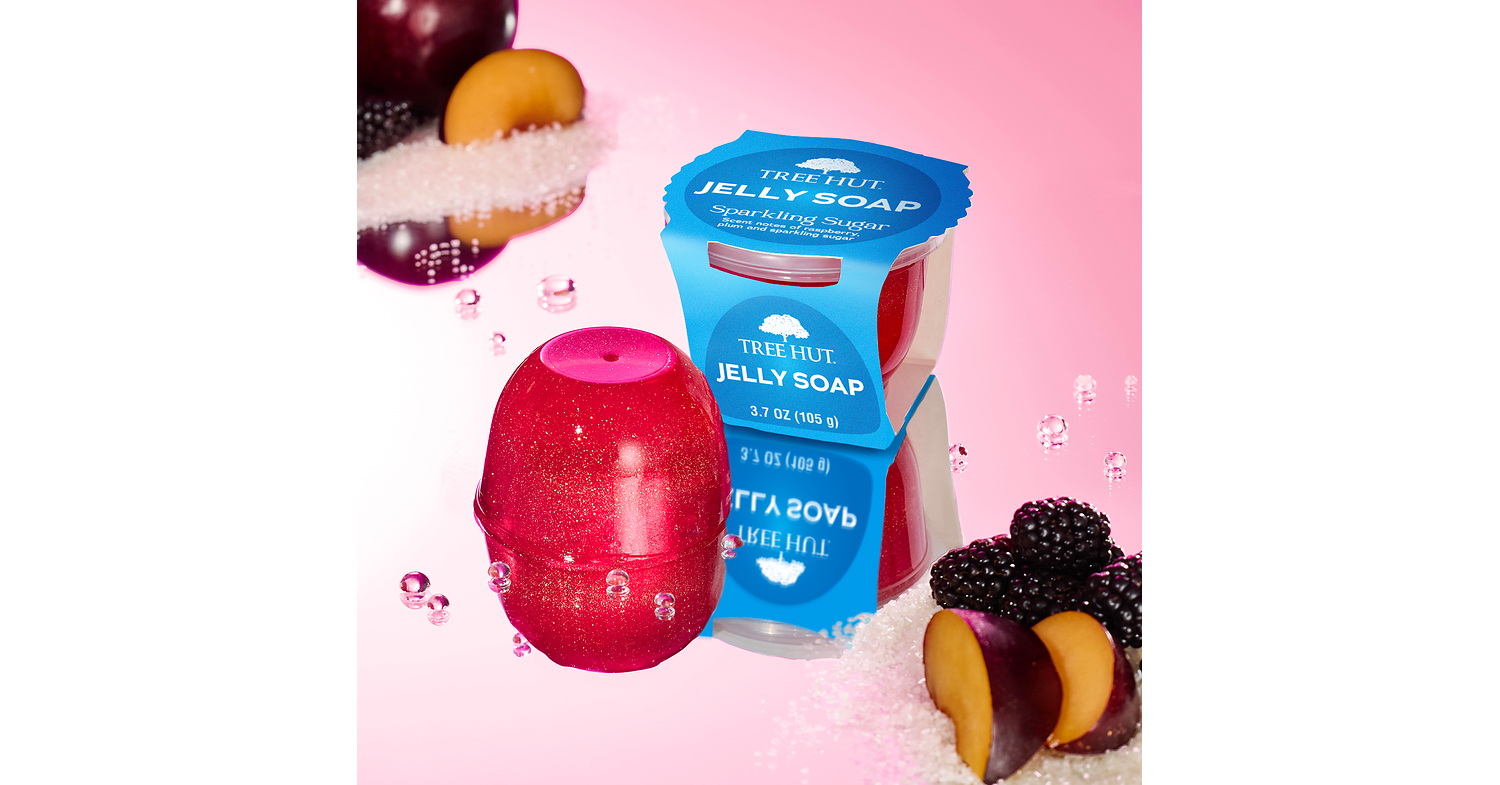
Tree Hut (America’s No. 1 body scrub brand) launched its new Jelly Soap collection, a candy-inspired in-shower jelly-like cleansing and moisturizing bar format, starting June 29 exclusively at Ulta Beauty. The line debuts three treat-inspired scents—Sparkling Sugar (new), Jelly Bear, and Raspberry Fizz—formulated with Aloe Vera, Vitamin E, and Glycerin to target softer, hydrated skin. The news is product/category focused with modest potential retail impact, but no financial guidance or company-wide earnings implications were provided.
ULTA is the only plausible beneficiary here, but the mechanism is traffic-quality rather than immediate product P&L. Sensory, social-friendly body care tends to act as a "trip driver": low-ticket novelty brings shoppers in, then the retailer monetizes adjacent baskets and impulse add-ons. That matters more for specialty beauty than mass channels because the marginal gross profit comes from conversion and attachment rate, not the soap itself.
The second-order read-through is that body-care innovation is becoming a format race, which gradually shifts share toward retailers with discovery-led assortments and away from commoditized aisles. If the concept resonates, expect copycats in adjacent body care and a bit more promo intensity across the category; that is a mild negative for incumbent soap/fragrance brands but likely too small to move broad consumer ETFs. CRMT and TSTS look like no-trade names on this information.
The key risk is that this is a launch-cycle story, not a structural demand shift. Social buzz can fade in days, while the real proof point is 1-2 quarters of repeat purchase and replenishment; if reorder rates are weak, the perceived "win" becomes just inventory churn. Falsifiers: no pickup in ULTA body-care comp, no basket expansion, or management commentary indicating the launch was purely promotional and not accretive to traffic.
Contrarian view: the market may be overpricing the novelty premium. These launches often look like brand heat but deliver limited durable share unless they change the retailer's repeat behavior; without evidence of sustained sell-through, this is more marketing than earnings. For now, the signal is mildly positive but not strong enough to justify aggressive positioning.
AI-powered research, real-time alerts, and portfolio analytics for institutional investors.
Request DemoOverall Sentiment
mildly positive
Sentiment Score
0.18
Ticker Sentiment
