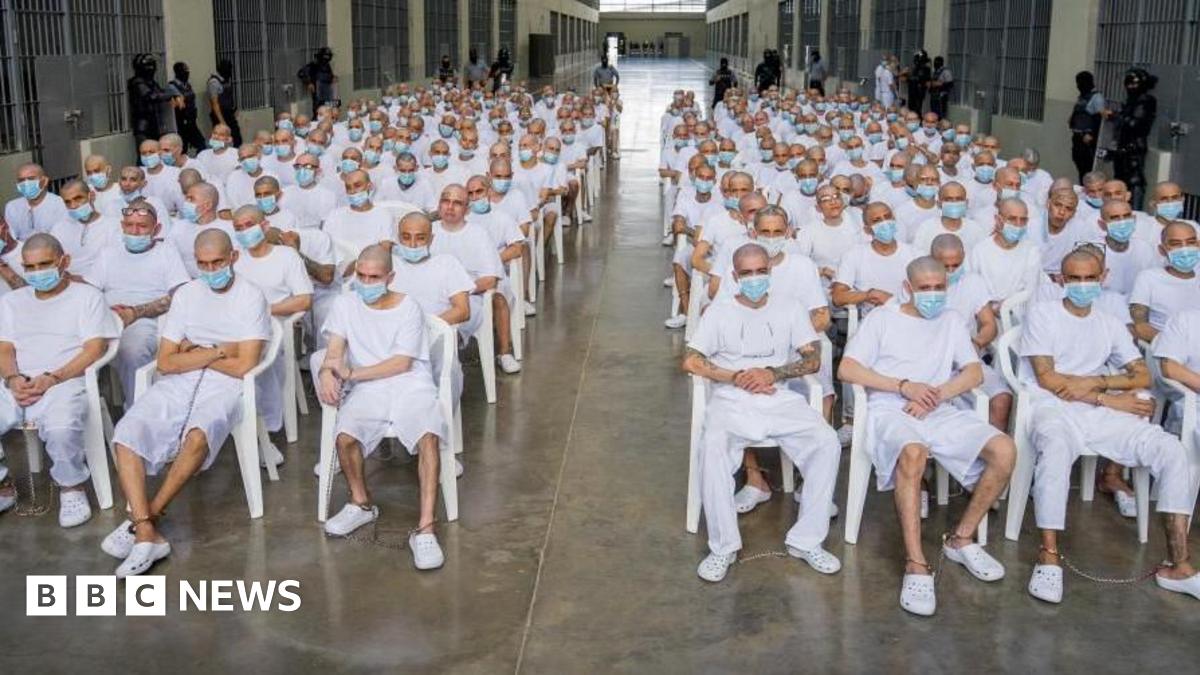
A mass trial has begun in El Salvador for 486 alleged MS-13 members, with the attorney general saying the group is accused of more than 47,000 crimes committed between 2012 and 2022. The case underscores ongoing legal and human-rights concerns around President Bukele's state of emergency, which has enabled tens of thousands of arrests since March 2022. The article is politically significant but has limited direct market impact.
This is less a one-off legal event than a stress test of El Salvador's institutional discount. The market implication is not the trial itself, but the regime's willingness to continue prioritizing security optics over due-process norms, which raises the probability of policy persistence, external criticism, and eventual sanction/financing friction over a 6-18 month horizon. For local assets, that means any valuation support from lower headline crime is being balanced against a higher sovereign risk premium and a longer tail of legal overhang.
The second-order winner is the state security apparatus and politically aligned domestic businesses that benefit from a lower-crime operating environment, but the losers are private-sector sectors that depend on clean institutional signaling: tourism, real estate, consumer credit, and cross-border payments. If international scrutiny intensifies, the first place it tends to show up is not in a sudden capital flight event, but in slower foreign direct investment, higher correspondent banking diligence, and more expensive dollar funding for locally exposed issuers. That pressure can creep in over quarters rather than days, which makes it easy for the market to underprice until refinancing windows open.
The contrarian risk is that investors may be overestimating near-term political blowback and underestimating the durability of the security narrative. If the trial is framed domestically as decisive, Bukele's approval cushion can keep the policy mix intact, which would delay any external market punishment and keep the sovereign/FX story relatively stable in the short run. The key catalyst to watch is whether multilateral institutions or US policymakers move from verbal criticism to financing constraints, because that would be the first regime-change in risk pricing rather than the court process itself.
AI-powered research, real-time alerts, and portfolio analytics for institutional investors.
Request TrialOverall Sentiment
mildly negative
Sentiment Score
-0.20
