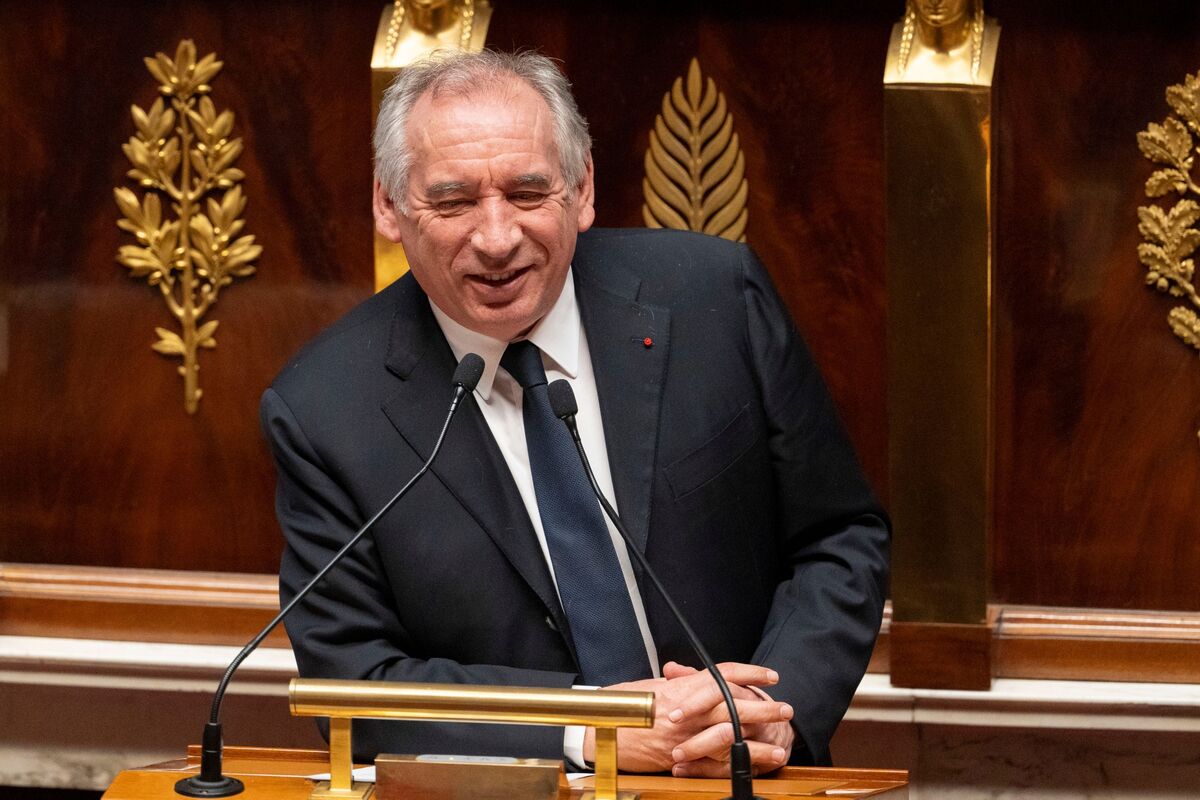
French Prime Minister Francois Bayrou defended his government's decision to call a confidence vote, asserting it was a necessary 'wake-up call' to address France's significant national debt and compel political parties to assume responsibility. This move underscores the government's perceived urgency regarding the nation's fiscal challenges and its intent to highlight the severity of the situation to the public and political landscape.
The French government, under Prime Minister Francois Bayrou, has deliberately initiated a high-stakes confidence vote, framing it as a necessary measure to confront the nation's significant debt burden. This political maneuver is intended as a "wake-up call" to underscore the gravity of France's fiscal situation and to compel accountability among political parties. The action introduces a period of heightened domestic political uncertainty, which is reflected in the moderately negative sentiment and cautious tone surrounding the event. By explicitly linking the government's survival to the acknowledgment of the debt crisis, Bayrou is signaling that potentially unpopular fiscal consolidation measures are on the agenda. The situation elevates the risk profile for French sovereign assets, as the focus on being "burdened with debt" could lead to scrutiny from credit rating agencies and investors, impacting bond yields and the country's cost of borrowing.
AI-powered research, real-time alerts, and portfolio analytics for institutional investors.
Request DemoOverall Sentiment
moderately negative
Sentiment Score
-0.50
