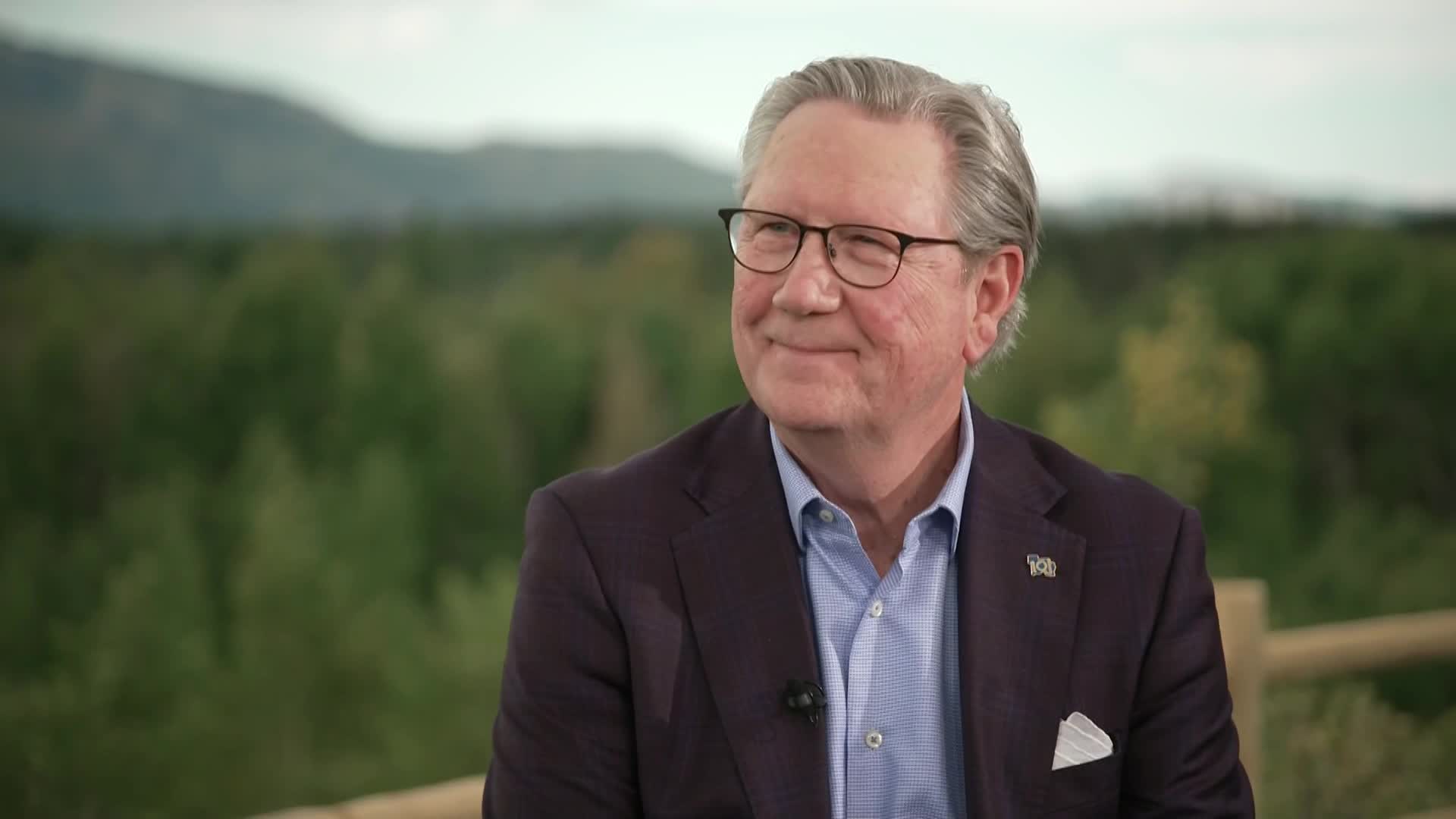
Kansas City Fed President Jeffrey Schmid stated his view that monetary policy is "moderately restrictive" while discussing inflation concerns and the central bank's dual mandate at the Jackson Hole Economic Policy Symposium. Schmid also addressed challenges to Fed independence, specifically referencing former President Donald Trump's call for Fed Governor Lisa Cook's resignation, underscoring ongoing political pressures on the institution.
Kansas City Fed President Jeffrey Schmid's characterization of monetary policy as "moderately restrictive" provides a key insight into the central bank's current thinking. This terminology suggests a policymaker who sees rates as being in restrictive territory but may not advocate for further aggressive tightening, indicating a cautious, data-dependent stance amidst ongoing inflation concerns. Critically, Schmid's comments at the Jackson Hole symposium also addressed the significant challenge of maintaining central bank independence. By specifically referencing political calls for a Fed governor's resignation, he highlights a growing and tangible risk factor for policy predictability and institutional credibility. This dual focus on a finely balanced policy stance and external political pressures underscores the complex environment in which the Federal Reserve is currently operating.
AI-powered research, real-time alerts, and portfolio analytics for institutional investors.
Request DemoOverall Sentiment
neutral
Sentiment Score
-0.10
