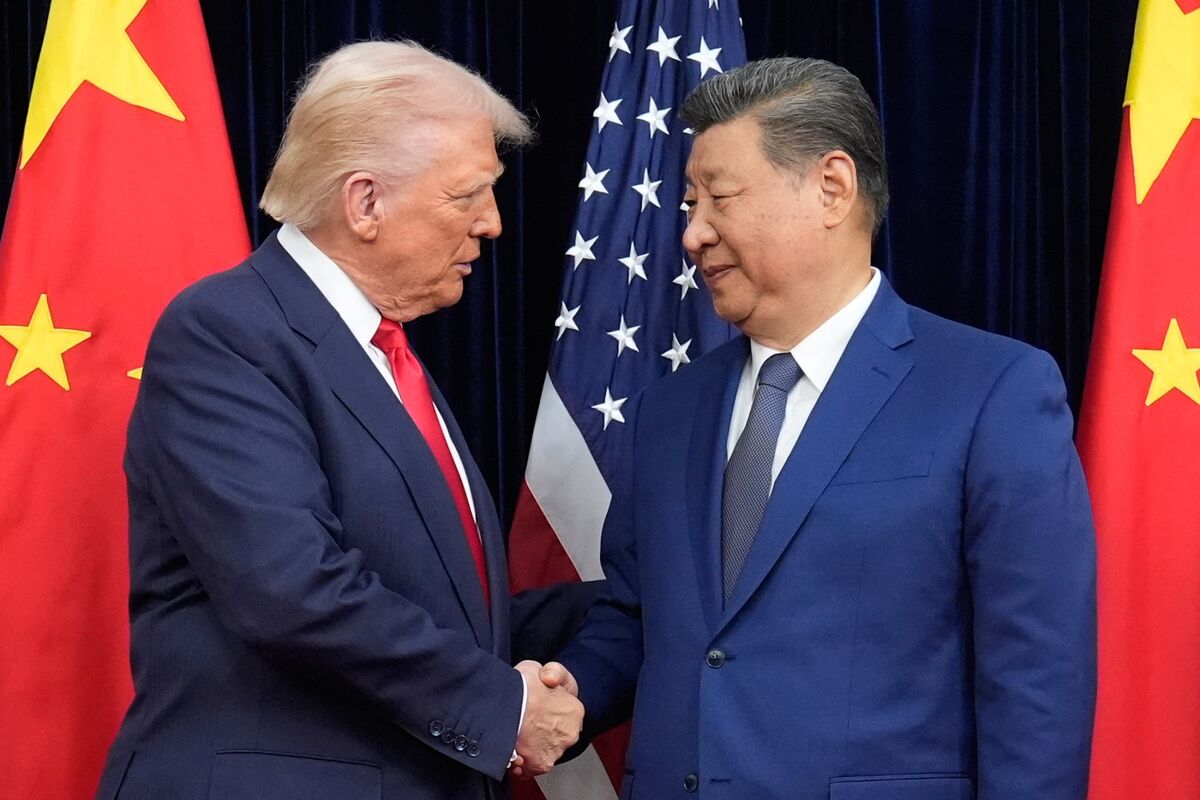
China has outlined four 'red lines' for the United States, including Taiwan, democracy and human rights, its political system, and development rights, according to Ambassador Xie Feng. This move, following a recent trade truce between Presidents Trump and Xi Jinping, underscores the inherent fragility of US-China relations and highlights persistent geopolitical tensions that could impact market stability despite diplomatic efforts.
China, through Ambassador Xie Feng, has formally outlined four "red lines" for the United States—Taiwan, democracy and human rights, its political system, and development rights—shortly after a trade truce between Presidents Trump and Xi Jinping. This declaration emphasizes the need for mutual respect of "core interests and major concerns" to maintain the recent rapprochement.
This development highlights the profound fragility of US-China relations, indicating that underlying geopolitical and ideological tensions remain significant despite diplomatic efforts on trade. The explicit enumeration of these sensitive areas suggests a broad array of disagreements that could easily test the stability of bilateral ties.
The market's "moderately negative" sentiment and "uncertain" tone, alongside a 0.6 market impact score, reflect investor concern regarding potential escalations. The identified themes of "Geopolitics & War" and "Trade Policy & Supply Chain" underscore the broad economic and political ramifications, suggesting continued volatility and potential disruptions to global trade flows and supply chains.
AI-powered research, real-time alerts, and portfolio analytics for institutional investors.
Request DemoOverall Sentiment
moderately negative
Sentiment Score
-0.50
