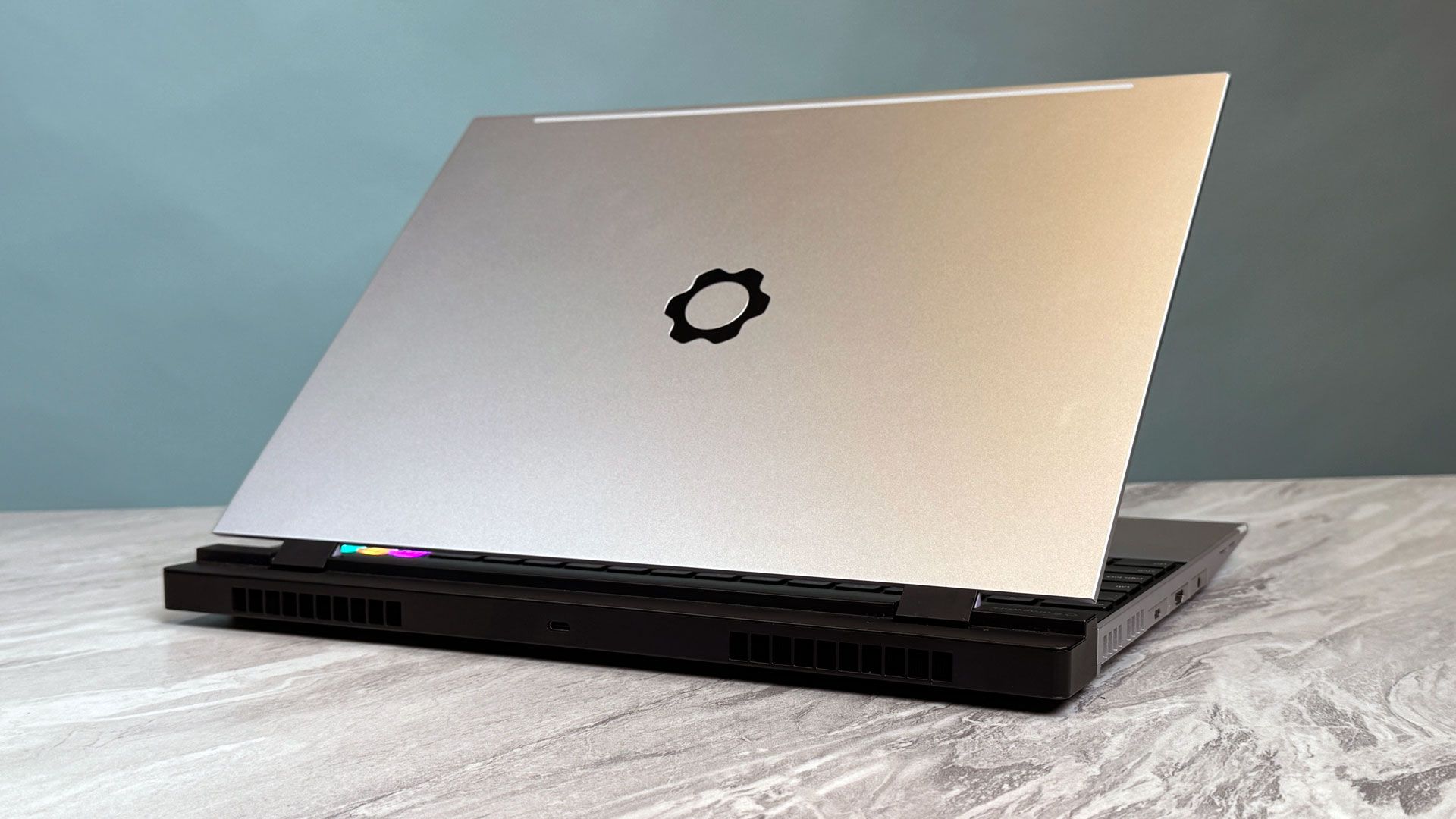
Framework founder Nirav Patel warned that AI-driven demand is straining memory, storage, CPU, and power supply chains, creating a 'winner takes all' dynamic that could make 'personal computing as we know it' effectively dead. He said cloud computing will increasingly outcompete local PCs on economic output, while Framework is positioning its repairable, upgradable laptops as a countertrend. The company did not provide financial results, but the commentary highlights ongoing component shortages and rising hardware costs for consumers.
The key market implication is not a generic AI demand story; it is a supply-allocation story. When hyperscalers and AI model builders bid against OEMs for DRAM, NAND, CPUs, and power, the marginal consumer notebook becomes the lowest-priority buyer, which compresses unit availability for mainstream PC vendors and pushes mix toward higher ASP, lower-volume products. That is mildly negative for DELL near-term because its enterprise franchise can pass through some cost inflation, but consumer and commercial PC refresh demand is the most exposed to memory/SSD shock and delayed upgrade cycles.
Second-order effect: scarcity can briefly improve gross margin before it destroys demand. OEMs can reprice enough to offset component inflation for a quarter or two, but if DDR/SSD inflation persists into back-to-school and year-end refresh windows, channel inventory will turn over slower and promotions will have to get deeper, not shallower. The bigger loser may be the mid-tier Windows ecosystem broadly, where buyers can defer with used/refurbished systems or keep older hardware longer, while premium repairable devices gain share only at the margin because affordability is the binding constraint, not ideology.
The contrarian read is that this is a cyclical squeeze, not a structural death of personal computing. If hyperscaler capex growth moderates or packaging constraints shift the bottleneck away from DRAM/NAND, component prices can mean-revert faster than consensus expects, and OEM earnings leverage would reassert within 2-3 quarters. Also, secondary-market supply from decommissioned enterprise fleets can partially cap PC pricing power, which means the inflationary pass-through may be less durable than headlines suggest. The market is likely underpricing how quickly consumer demand elasticity can offset any short-lived margin tailwind for hardware vendors.
AI-powered research, real-time alerts, and portfolio analytics for institutional investors.
Request DemoOverall Sentiment
mildly negative
Sentiment Score
-0.20
Ticker Sentiment
