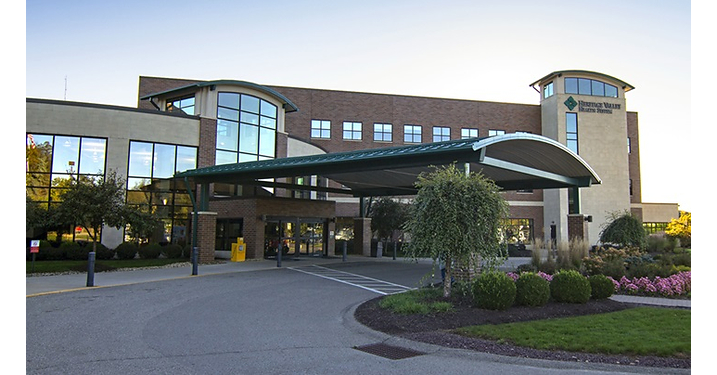
Allegheny Health Network (AHN) and Heritage Valley Health System finalized their affiliation after regulators approved the deal, bringing Heritage Valley hospitals, dozens of clinical sites, and hundreds of physicians into AHN. The transaction expands AHN to 16 full-service inpatient facilities and adds 36 physician offices and 7 outpatient “neighborhood” facilities; Heritage Valley’s ~3,000 employees (~500 physicians) transition into AHN, increasing AHN headcount to ~27,000. AHN/Highmark will invest ~$285 million over 10 years, including installing the Epic EHR system across Heritage Valley inpatient and outpatient sites.
This is primarily a market-share and contracting event, not an earnings event. The economic value sits in tighter control of patient routing, which should reduce leakage from insured lives and improve bargaining power with suppliers and physician groups over time; that is a quiet negative for smaller unaffiliated regional providers and a modest positive for larger integrated systems that can absorb referral flow. The most important second-order effect is procurement centralization: once a network standardizes IT, staffing, and purchasing, outside vendors face tougher pricing and fewer point-of-sale opportunities.
Near term, the integration workload matters more than the headline approval. Epic conversion and hospital rebranding are cash and management-time intensive, so the first 1-2 quarters are more likely to show elevated operating expense and execution noise than visible margin synergies. If there is any public-market read-through, it is to healthcare services vendors with hospital concentration; larger systems tend to squeeze outsourced contracts first, so any rally in facility-services names would be vulnerable if procurement gets rationalized.
Contrarian view: the market may overestimate the durability of the upside because this is defensive consolidation inside a captive regional ecosystem, not a new revenue engine. The committed capital looks meaningful in headlines but is small relative to the enterprise, so the real upside depends on measurable retention of Highmark-covered admissions and lower leakage by 2027, not on day-one approval. Falsifiers are straightforward: cost overruns on the EHR rollout, no improvement in outpatient capture, or any sign the affiliation triggers service disruptions that push patients to competing systems.
AI-powered research, real-time alerts, and portfolio analytics for institutional investors.
Request DemoOverall Sentiment
moderately positive
Sentiment Score
0.25
Ticker Sentiment
