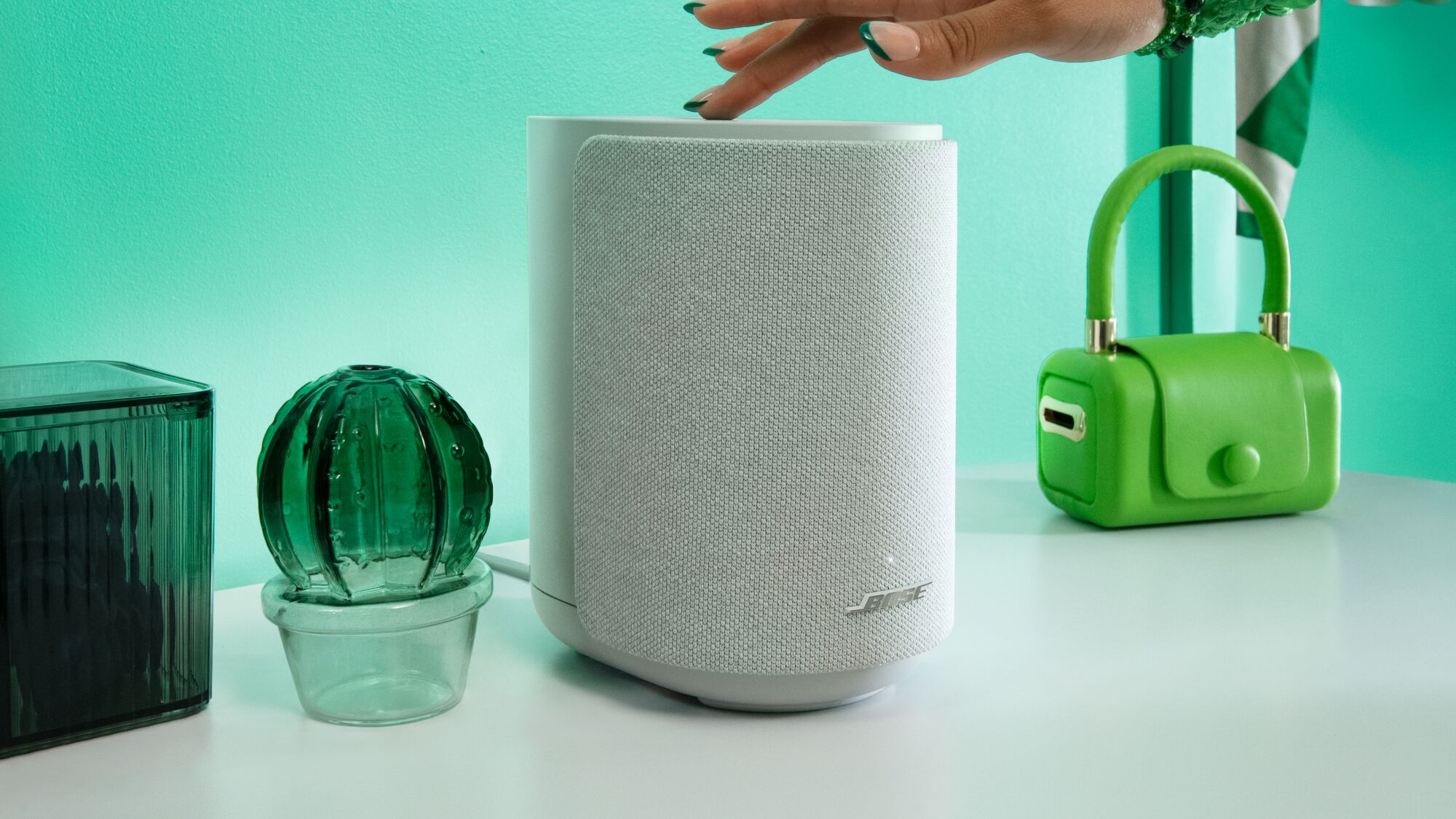
Alexa+ is now available on Bose speakers and soundbars, including the new Bose Lifestyle Ultra Speaker and Soundbar, with rollout in the U.S. across multiple Bose models. Prime members get Alexa+ free, while non-Prime customers can access it for $19.99 per month. The update expands Alexa’s device footprint and adds music discovery, smart home control, reservations, and other conversational AI features, but the near-term market impact appears limited.
This is less about incremental Alexa usage and more about widening Amazon’s distribution moat for its AI layer at essentially zero hardware acquisition cost. The important second-order effect is that the assistant is being embedded into higher-engagement household endpoints, which should improve retention of Prime and increase the frequency of monetizable intent: music discovery, shopping reorders, local services, and home automation. That creates a flywheel where better conversation quality drives more use, which improves data, which improves recommendation quality, making the ecosystem stickier versus standalone voice assistants.
The near-term winner is AMZN, but the bigger strategic impact is on adjacent ecosystems that rely on default voice access. If consumers start using Bose hardware as an always-on AI interface, it dilutes the value of competing assistant-led hardware and reduces the odds that third-party device makers can remain neutral over time. For Bose, this is a demand driver, but it also increases dependence on a platform owner that can progressively extract more economics through software, services, and commerce take-rate rather than hardware margin alone.
The risk case is adoption saturation: if usage uplift is mainly novelty-driven, engagement could normalize within 1-2 quarters. Another risk is execution—voice assistants only become economically meaningful if the task completion rate is high enough to drive repeat behavior; otherwise this becomes a marketing feature rather than a profit pool. The contrarian read is that the market may underappreciate how much incremental value comes from making Alexa a household utility rather than a device feature; if retention inflects, the payoff shows up over months in higher Prime stickiness and better conversion, not immediately in headline revenue.
For competitors, the pressure is on any consumer hardware or assistant stack that lacks a clear monetization engine. The more Amazon can make Alexa the default layer across living-room devices, the harder it becomes for rivals to justify competing on hardware alone. That could eventually compress differentiation for mid-tier smart speakers/soundbars and shift industry economics toward the platform owner.
AI-powered research, real-time alerts, and portfolio analytics for institutional investors.
Request DemoOverall Sentiment
mildly positive
Sentiment Score
0.35
Ticker Sentiment
