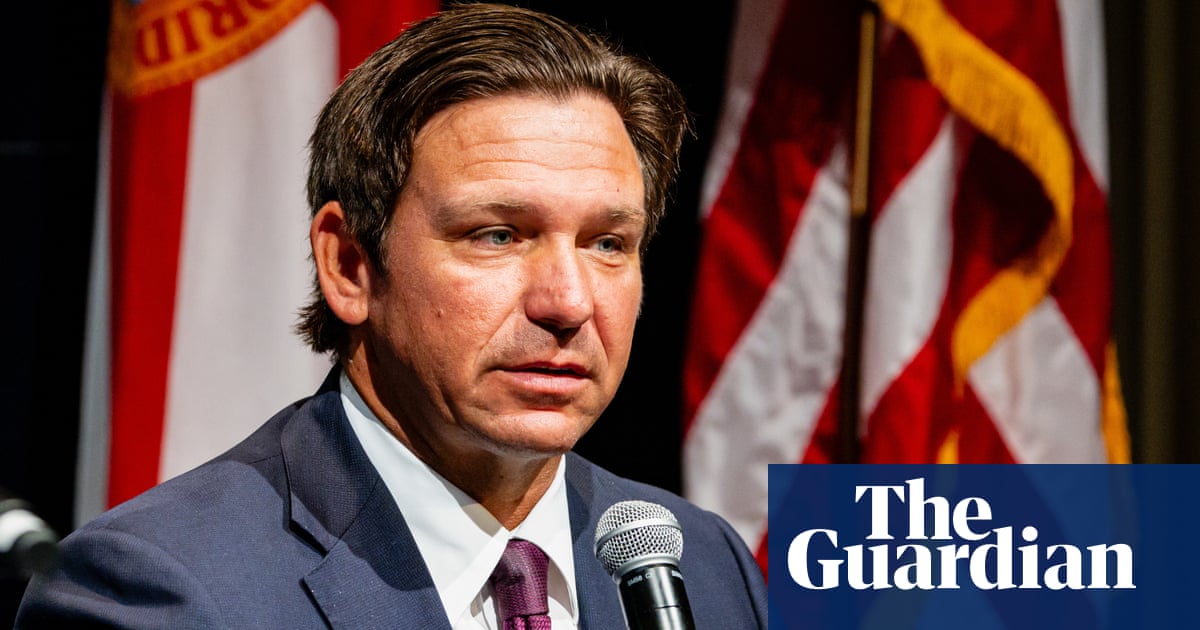
Ron DeSantis proposed new Florida congressional maps that he says could give Republicans up to 4 additional House seats in the 2026 midterms, subject to legislative approval and legal challenges. The move is part of a broader redistricting fight, with Texas’ map recently reinstated, Virginia still in litigation, and California’s maps potentially adding 5 Democratic seats. Democrats responded by pledging $20M in Florida advertising aimed at 8 vulnerable Republican incumbents.
This is less an ideology story than a seat-allocation shock with asymmetric timing. The near-term market read is that House control becomes more legible: a few district boundary changes can matter more than broad national polling because they alter the marginal battleground count and the cost of defending incumbents. That tends to lift the probability of a split-government outcome, which historically reduces the odds of large legislative packages and raises the value of gridlock beneficiaries.
The second-order effect is on Florida-local political money flows, not just House composition. If Democrats are forced to defend previously safe districts, fundraising velocity shifts toward media, consulting, and voter-outreach vendors with Florida exposure, while Republican incumbents in the state become less investable as a “safe seat” cohort. More importantly, the legal process itself creates a volatility window: injunction risk, appeals, and state-court timing can leave the final map unresolved into the 2026 cycle, meaning the trade is less about certainty and more about an extended headline calendar that keeps incumbents’ re-election odds discounted.
Contrarianly, the market may be underpricing the possibility that aggressive redistricting backfires via overreach. The more naked the map appears, the greater the chance courts force partial reversals or create oddly shaped districts that boost candidate quality risk and primary challenges. That can make the intended seat gain less durable than headline counts imply, while also increasing donor fatigue and national Democratic fundraising efficiency if the issue is framed as procedural unfairness rather than a local map fight.
AI-powered research, real-time alerts, and portfolio analytics for institutional investors.
Request DemoOverall Sentiment
neutral
Sentiment Score
-0.05
