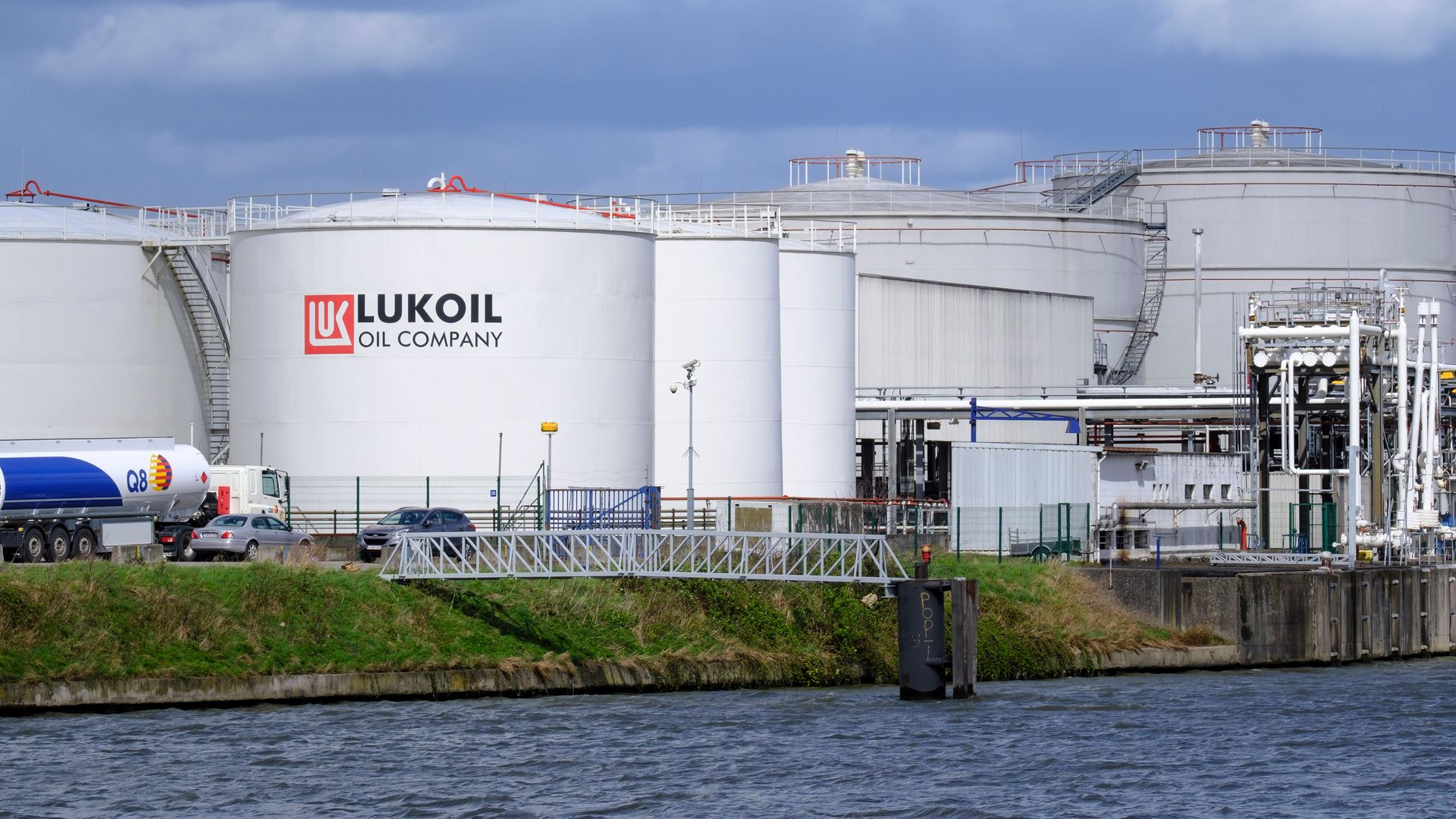
The U.S. Treasury Department has delayed sanctions against Russian oil giant Lukoil, allowing the company time to sell its international assets and attracting significant interest from prospective buyers in the U.S., Europe, and the Persian Gulf. This strategic move, which includes specific transaction exemptions until December 13 and for Bulgarian subsidiaries until April 29, aims to facilitate an orderly divestment while managing the broader impact of sanctions imposed to pressure Russia over Ukraine. The situation highlights ongoing geopolitical complexities in the energy sector, with European nations like Bulgaria and Romania actively seeking solutions to maintain operations of Lukoil's local facilities, including potential nationalization.
The U.S. Treasury Department has strategically delayed sanctions against Russian oil giant Lukoil, as reported on Nov. 14, specifically to facilitate the divestment of its international assets. This pragmatic approach includes a license for general transactions related to asset sales until December 13 and an extended exemption for Bulgarian subsidiaries until April 29, aiming to enable an orderly sale process despite the broader sanctions imposed in October on Lukoil and Rosneft to pressure Russia.
Significant interest has emerged from prospective buyers across the U.S., Europe, and the Persian Gulf for Lukoil's overseas holdings, with potential transactions structured around a primary buyer acquiring most assets alongside smaller deals. This indicates a market appetite for these assets, suggesting that the Treasury's limited exemptions are effectively creating a viable window for divestment and mitigating immediate market disruption.
European nations hosting Lukoil refineries, such as Bulgaria and Romania, are actively seeking solutions to maintain operational continuity and avoid shutdowns. Bulgaria's parliament authorized new management and considered nationalization, while Romania requested a postponement of sanctions and moved to control Petrotel Lukoil, underscoring the critical importance of these energy assets to local economies and the complex interplay between geopolitical pressure and energy security.
AI-powered research, real-time alerts, and portfolio analytics for institutional investors.
Overall Sentiment
mildly positive
Sentiment Score
0.25
