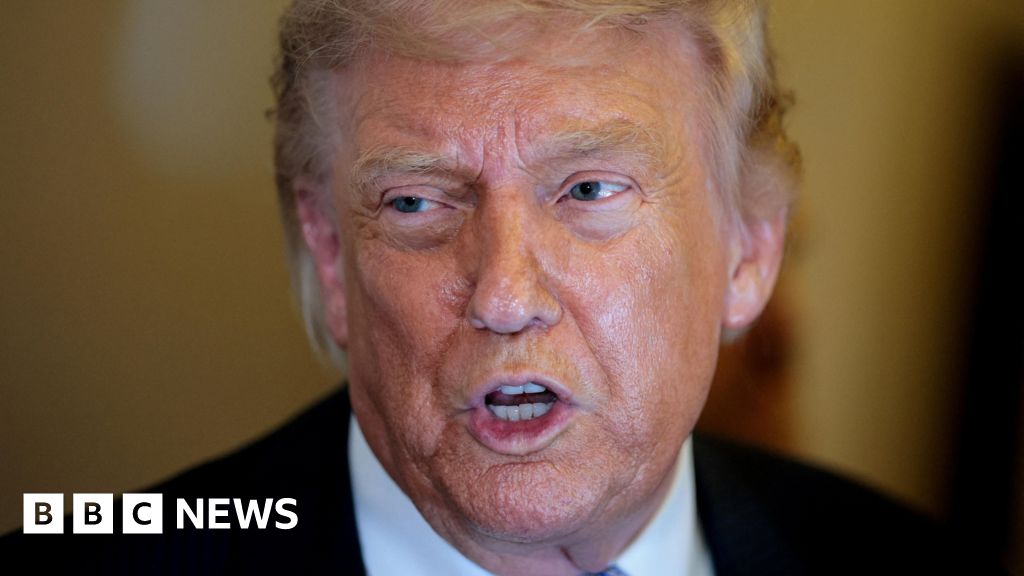
Trump warned Iran the "clock is ticking" as US-Iran peace talks stalled, with both sides still far apart on nuclear and war-ending شروط. The standoff includes US demands such as limiting Iran to one nuclear site and transferring enriched uranium, while Iran is seeking an end to attacks, a lift on the naval blockade, and compensation. Continued tensions over the Strait of Hormuz, through which about 20% of global oil and LNG flows, keep oil prices and broader risk assets vulnerable.
This is a classic escalation-to-negotiation setup where the first-order move is headline-driven oil volatility, but the second-order risk is a sustained supply-risk premium across the entire energy complex. The market is likely underpricing how much of the current crude bid is a geopolitical option rather than a true physical shortage: if talks fail, even without additional barrels removed, refiners, shipping, and airlines will de-risk inventories and lift forward hedges, keeping near-dated contracts elevated relative to the back end. That tends to favor commodity-linked equities with strong upstream leverage while pressuring downstream margins and transport-sensitive sectors.
The key non-obvious winner is not just the obvious majors; it is names with optionality to widening regional dislocations and freight inefficiencies. A prolonged Hormuz risk premium amplifies tankers, LNG routing costs, and defense procurement, while also raising working-capital needs for industrials and chemicals that rely on uninterrupted feedstock flows. The loser set expands beyond airlines to any importer with weak pass-through power: European industrials, EM current-account-sensitive economies, and consumer discretionary baskets that face margin compression if fuel stays sticky for several weeks.
The catalyst window is days to two weeks for headline risk, but the positioning opportunity extends 1-3 months if negotiations remain stalled and the blockade dynamic persists. The main reversal trigger is a credible diplomatic concession or a face-saving ceasefire framework; absent that, any tactical de-escalation is likely to fade because neither side appears to have solved the underlying enforcement problem. The market should treat this as a regime shift toward higher variance, not just a one-off spike.
Contrarian view: the consensus may be overestimating immediate physical disruption and underestimating policy intervention. If crude overshoots, coordinated strategic releases, backchannel diplomacy, or a partial framework on nuclear limits could rapidly compress the risk premium even while rhetoric stays hostile. That makes front-end upside in oil attractive tactically, but vulnerable to sharp mean reversion once the market realizes the chokepoint remains open and the conflict is still managed rather than fully kinetic.
AI-powered research, real-time alerts, and portfolio analytics for institutional investors.
Request DemoOverall Sentiment
strongly negative
Sentiment Score
-0.55
