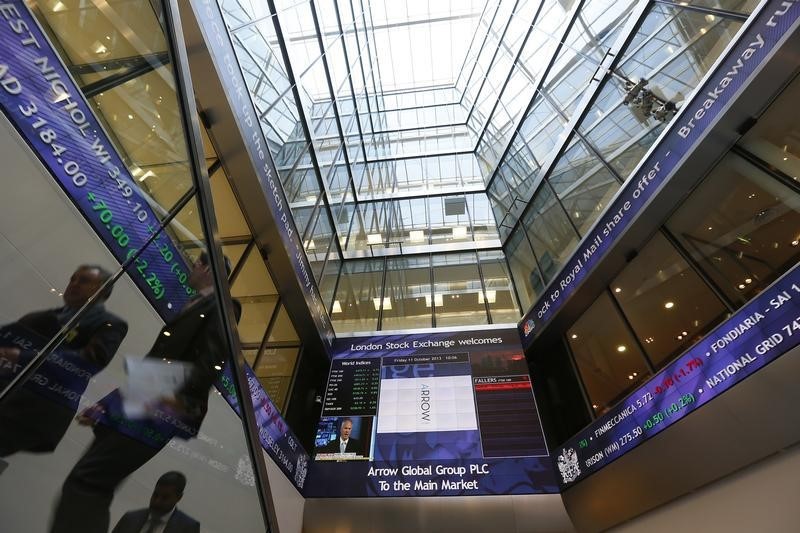
Brent crude rebounded to around $97/bbl after prior steep losses, while the pan-European Stoxx 600 slipped ~0.2% (Germany DAX -0.2%, France CAC40 -0.3%, UK FTSE100 +0.2%) amid renewed Middle East tensions. President Trump said U.S. military assets will remain around Iran until a “real agreement” is complied with, raising ceasefire doubts as Iran signals talks may be ‘unreasonable’ and vessel movements in the Strait of Hormuz remain restricted. Gold futures fell ~0.6% as higher oil lifted inflation concerns and a firmer dollar and rising yields capped safe-haven demand.
Geopolitical risk manifests less as an immediate shock and more as a persistent supply-chain tax: higher war-risk premia, longer lead times for specialized hardware, and elevated insurance/shipping costs—these raise input-side inflation for a 3–9 month window and compress multiples for ad-funded, high-CPA growth names. Equity flows tend to rotate into firms that can either (a) convert backlog into margin via pricing power or (b) have direct government/defense exposure where budget elasticity is higher.
For AI infrastructure suppliers with flexible manufacturing footprints, the market creates a pricing arbitrage: customers trade speed for premium, which benefits vendors with inventory or contract-manufacturing control. SMCI fits that mold—short-term margin expansion is plausible if GPU/tape-inventory tightness persists and defense procurement accelerates; this is not linear and depends on booking transparency and channel inventory. Conversely, ad-tech platforms that monetize through performance marketing face a two-front squeeze—higher user acquisition costs from CPI pressure and multiple compression from rising real rates—weakening near-term free cash flow visibility for names like APP.
Catalysts that will flip the trade are identifiable and time-bound. A credible diplomatic de-escalation, restoration of normal shipping lanes, or meaningful chip-supply normalization would quickly unwind hardware pricing power within 6–12 weeks and re-rate ad-tech positively as CPI/yields stabilize. The tail-risk path—broader regional escalation—would amplify energy and FX dislocations, favoring hard-asset and defense exposures and penalizing long-duration ad-growth positions even more.
AI-powered research, real-time alerts, and portfolio analytics for institutional investors.
Request DemoOverall Sentiment
mildly negative
Sentiment Score
-0.25
Ticker Sentiment
