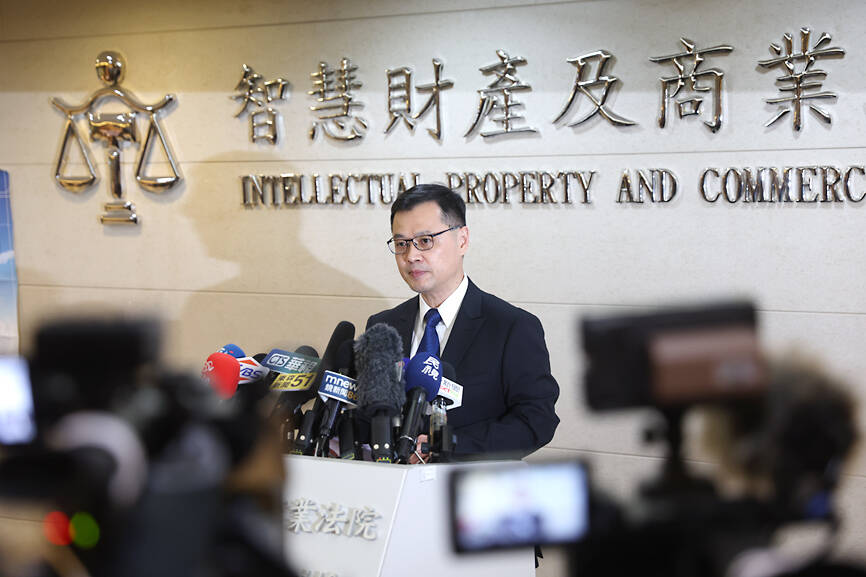
A former TSMC engineer was sentenced to 10 years in prison over leaking trade secrets tied to the company’s 2-nanometer process, with additional prison terms handed to three other individuals and Tokyo Electron Taiwan fined NT$150 million, potentially reducible to NT$100 million in compensation to TSMC plus NT$50 million to the treasury. The case is the first corporate prosecution under Taiwan’s National Security Act and highlights escalating legal and IP risks around advanced semiconductor manufacturing. TSMC says it maintains zero tolerance for trade secret breaches and will strengthen internal controls.
This is less about the headline fine and more about a governance overhang on the entire Taiwan semiconductor supply chain. The important second-order effect is that equipment vendors now face a higher expected cost of operating inside TSMC’s moat: tighter access controls, slower field support, and more conservative data-sharing will likely raise friction in tool qualification and service workflows. That tends to favor the most trusted incumbents with deep process integration, while marginal suppliers and newer entrants face a higher hurdle to win sockets at advanced nodes.
For TSM, the near-term financial hit is negligible, but the strategic impact is asymmetric: the company will likely respond by further compartmentalizing process knowledge, which can slow operational iteration at the margin and increase internal compliance cost. Over a 6-18 month horizon, the bigger risk is not leakage of the exact node roadmap, but reduced organizational agility as engineers and suppliers work under heavier surveillance. In advanced semicap, a few basis points of process inefficiency can matter more than the nominal legal penalty.
Tokyo Electron is the immediate loser, but the broader read-through is to all Japan- and US-based toolmakers that rely on embedded engineers and close collaboration with foundries. This raises diligence risk around cross-border data handling and cloud retention, which can trigger more audits, contract renegotiations, and delayed procurements. The contrarian angle is that the market may overestimate the durability of any competitive damage to TSMC’s 2nm lead; these cases usually hurt trust more than they transfer economically meaningful IP, unless they are followed by broader employee exodus or customer defection, neither of which is implied yet.
The most interesting catalyst is not the appeal, but whether this expands into a wider enforcement regime that forces vendors to localize systems, reduce remote access, and ring-fence customer data. If that happens, the winners are the most compliance-ready incumbents; the losers are suppliers with weaker internal controls and higher reliance on shared digital infrastructure. Expect the market to treat any follow-on disclosure about cloud exposure or additional defendants as the real negative catalyst, not the criminal sentence itself.
AI-powered research, real-time alerts, and portfolio analytics for institutional investors.
Request DemoOverall Sentiment
moderately negative
Sentiment Score
-0.45
Ticker Sentiment
