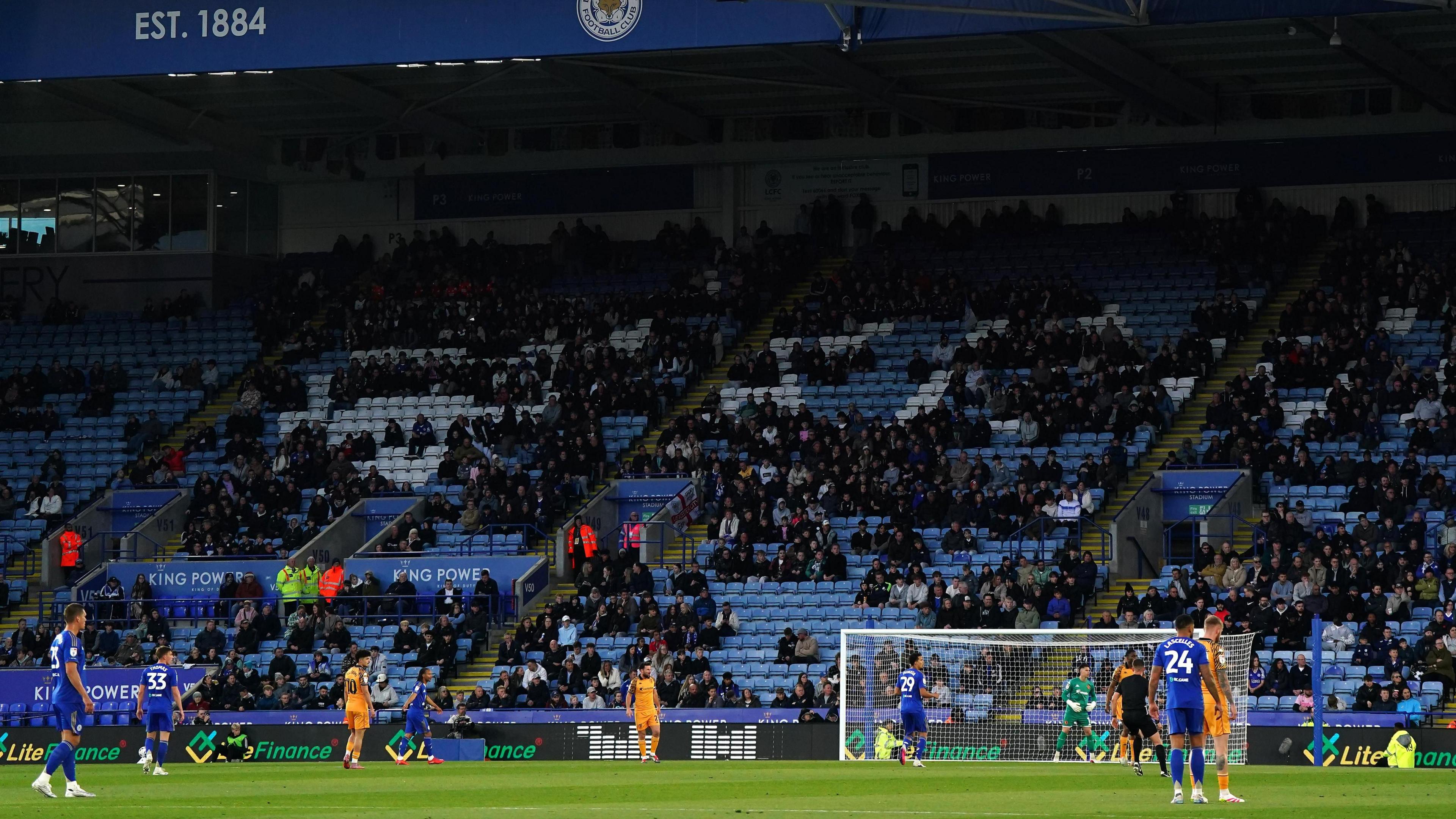
Leicester City have been relegated to League One after a rapid decline that has included Premier League relegation in 2023, a six-point EFL deduction in February, and another reported loss of £71.1m for 2024-25. The club has cycled through seven managers in three years, carried wages above 100% of turnover for multiple seasons, and relied on loans and advanced funding from Macquarie. The piece highlights serious governance, financial, and operating-model concerns as Leicester face sharply lower League One revenues and high player wage commitments.
The marketable lesson here is not just sporting collapse; it is balance-sheet compression interacting with governance drift. Once a club is forced to fund operations by pledging future receivables, the equity story becomes a liquidity treadmill: each season’s downside is pre-sold to bridge the prior season’s overreach. In football terms, that means the asset base no longer recovers with one good transfer window because the proceeds are already encumbered, so the operating reset required is multi-year, not managerial.
The second-order effect is on rival clubs and the broader player market. League One wage constraints will force Leicester to dump salary, but the lack of buyers for aging/high-wage contracts means a fire-sale clears slowly and at steep discounts, depressing realizable transfer value relative to book assumptions. That creates a structural transfer opportunity for lower-division buyers and a temporary recruiting edge for competing Championship clubs that can poach talent on loan or free transfers while Leicester is trapped by contract friction.
The key catalyst path is financial, not tactical: another covenant breach, an inability to refinance the Macquarie bridge, or a delayed sale of unwanted players could force an accelerated restructuring within 6-12 months. The contrarian view is that the market may still be underpricing asset monetization because the club retains parachute-like cash flow tailwinds from legacy revenue recognition and player sales in the near term. But that window narrows quickly once League One revenue math becomes fully visible and the wage-to-income cap bites.
In a broader governance lens, this is a case study in key-person dependency and stale decision rights. A long-tenured football structure can preserve institutional memory, but if it also slows accountability, it becomes a hidden leverage amplifier. The repair trade is not a quick managerial bounce; it is a recapitalization story with a long runway and a high chance of value leakage before stabilization.
AI-powered research, real-time alerts, and portfolio analytics for institutional investors.
Request TrialOverall Sentiment
extremely negative
Sentiment Score
-0.86
