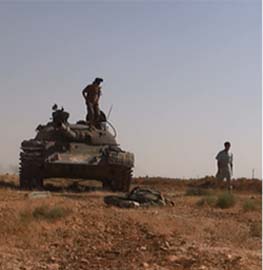
32 airstrikes have reportedly struck PMF headquarters across seven governorates since Feb 28, and a March 12 strike in Qaim allegedly killed 99, left 43 missing and 123 wounded. The IRI says it has launched over 290 attacks on US forces since Feb 28 and offered a 150 million dinar (~$100k) reward for US force locations, signaling elevated escalation risk. Expect risk-off flows, near-term volatility in oil and EM FX, and increased demand for defense and safe-haven assets; monitor oil prices, regional shipping/insurance costs and US troop posture for further market impact.
This is less a localized kinetics story and more a liquidity/insurance shock that radiates through three channels: political risk premia in regional energy, EM funding costs, and demand for military/security solutions. If markets repriced a modest 3–7 $/bbl risk premium tied to widened conflict corridors or higher tanker insurance, we would expect near-term reallocation away from EM beta into USD and liquid energy/defense exposures within a 30–90 day window.
Second-order supply-chain effects matter: even if Iraqi export infrastructure remains intact, heightened strike activity increases contingent capital expenditure for regional logistics (terminal security, rerouting, higher demurrage), which raises marginal delivered costs and compresses refined product throughput in tight months. That feeds through to refined product cracks and merchant shipping rates before headline crude moves, creating tradeable dispersion between upstream producers, refiners, and tankers over 1–3 months.
The equity reaction will be asymmetric. Large defense primes and niche ISR (intelligence, surveillance, reconnaissance) suppliers are likely to see order-visibility improvements and margin leverage; conversely, EM sovereign beta, local banks, and frontier resource developers face funding shocks and volatility-driven outflows. The principal reversal catalyst would be a rapid de-escalation or clear diplomatic channel within 2–6 weeks — absent that, volatility and risk premia will remain elevated through summer.
AI-powered research, real-time alerts, and portfolio analytics for institutional investors.
Request DemoOverall Sentiment
strongly negative
Sentiment Score
-0.62
