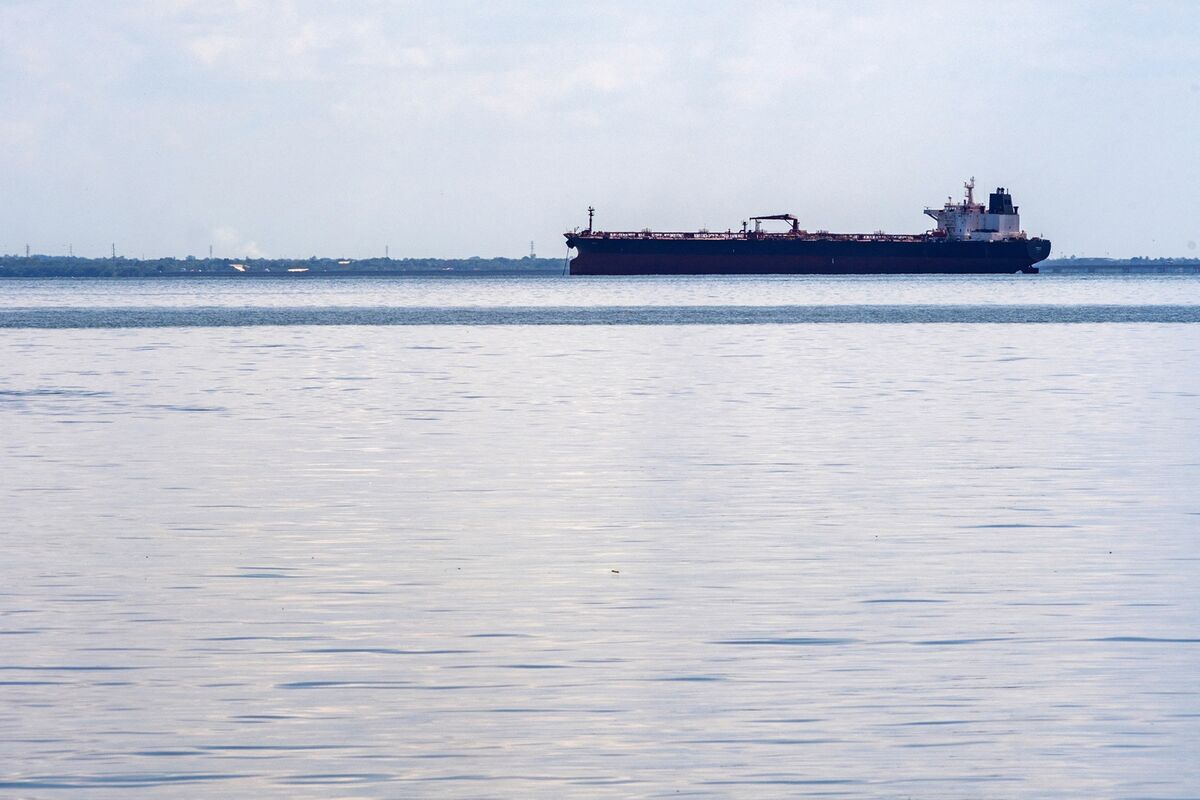
Five Middle Eastern countries — Bahrain, Kuwait, Qatar, Saudi Arabia and the UAE — formally rejected Iran’s new Persian Gulf Strait Authority and told commercial and merchant vessels not to use the Iran-designated route through the Strait of Hormuz. The dispute heightens transit and shipping risk in a critical chokepoint for global energy flows, raising the chance of higher freight and insurance costs. The move is geopolitically negative and could unsettle regional oil and shipping markets.
This is less about a formal maritime dispute and more about forcing carriers and insurers to choose between legal ambiguity and operational continuity. The immediate edge accrues to firms with reroute flexibility and captive logistics capacity: integrated energy majors, diversified container lines, and tanker operators with broad chartering books can absorb longer transit times, while spot-exposed shippers, small importers, and Gulf-focused transshipment hubs face the sharpest basis risk. The first-order market move may be in freight and insurance rather than crude itself, but second-order inflation pressure comes from longer effective fleet utilization and tighter available ton-miles.
The key dynamic is asymmetry: even a low-probability choke-point event can reprice forward freight and options because the Strait is a latent convexity trade. If counterparties begin treating Iran-designated routing as unusable, vessel compliance costs rise immediately, and the impact propagates through bunker demand, demurrage, and inventory carrying costs over days to weeks. Over months, persistent routing friction would favor producers and exporters with alternative pipeline or port optionality, while pressuring Gulf logistics ecosystems that depend on seamless cross-strait flow.
The contrarian risk is that the signal is stronger than the operational change. Unless there is enforcement capacity, most commercial actors may treat this as political theater and continue business as usual, limiting the duration of any risk premium. That makes the setup attractive for short-dated optionality rather than outright directional equity bets: the market can overprice tail risk quickly, but the fundamental damage only compounds if insurers, flag states, or naval escorts start codifying the restriction.
For broader portfolios, the cleanest expression is to own convexity in shipping and energy while fading highly levered importers on any vol spike. A separate channel is European and Asian industrial margins, which could get hit if tanker congestion lifts delivered energy costs and extends inventory cycles. The event is also a reminder that Gulf geopolitics can transmit through rates and insurance before it shows up in headline commodity prices.
AI-powered research, real-time alerts, and portfolio analytics for institutional investors.
Request DemoOverall Sentiment
moderately negative
Sentiment Score
-0.35
