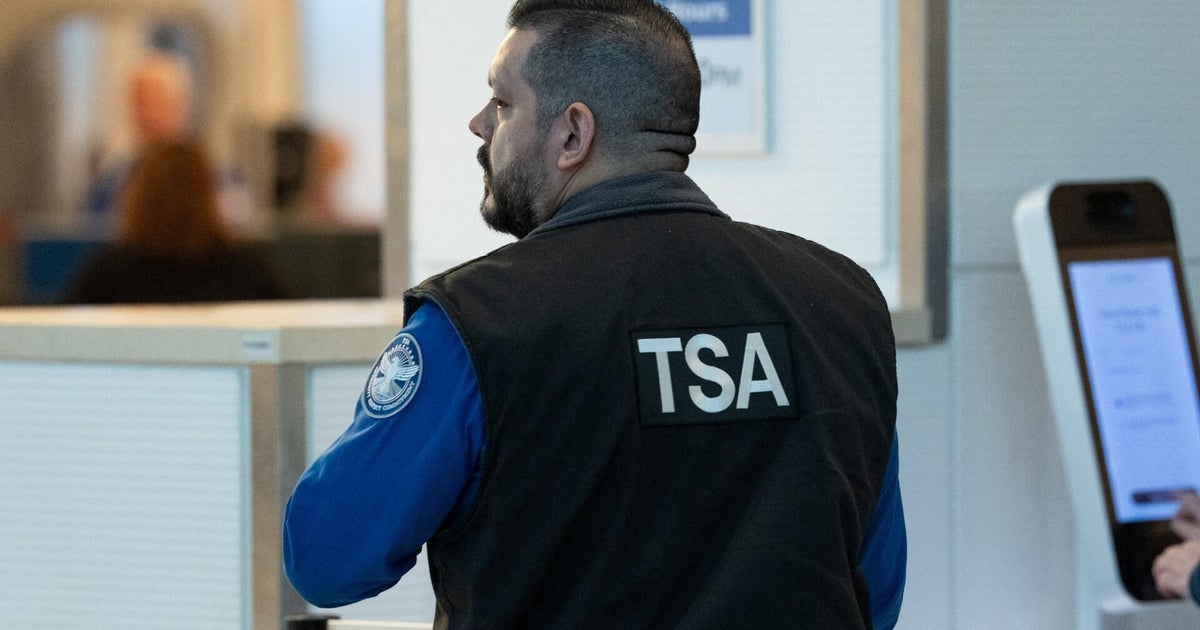
10.19% of TSA staff called out on Sunday—the highest rate during the partial government shutdown—after TSA employees missed their first full paycheck and some received a $0 paycheck; call-out rates have more than doubled and more than 300 TSA employees have quit since the funding lapse. The staffing shortages produced long lines and disruptions at major hubs (ATL, JFK, HOU-Hobby, MSY, PIT) with at least one screening wait approaching two hours and localized crowding at MSP and AUS. Airlines for America and airline CEOs urged Congress to act to restore pay, while political leaders traded blame, prolonging the operational risk to travel and airline operations.
Airport screening is a classic single-node bottleneck: small drops in checkpoint throughput generate outsized queueing and connectivity failures because aircraft rotations and passenger flows are tightly scheduled. Expect a visible near-term hit to same-day completion rates and higher misconnects; carriers that operate with under‑2-hour turnaround economics will see unit revenue dilution faster than network carriers with slack schedule buffers.
Second-order winners are players that replace or augment human screening: automated scanner vendors, remote credentialing and biometric boarding providers, and private contract security firms that can be stood up faster than public hires. Conversely, incumbents that monetize high-frequency, time-sensitive travel (ultra-low-cost carriers, premium short-haul business classes) are exposed to both revenue and ancillary losses when passenger experience degrades.
Policy is the dominant binary catalyst in the weeks ahead; a short legislative patch will normalize operations within days, while a protracted funding impasse pushes airports and airlines to shift procurement and routing behavior for months. If the standoff persists into the spring travel season, expect capex reallocation toward automation and third-party screening contracts over a 6–18 month window, permanently reallocating some demand away from labor-intensive screening services.
For portfolios, the cleanest expressions are time‑staggered: near-term options to capture operational volatility, and longer-dated asymmetric longs on automation/security-tech vendors who benefit from accelerated procurement cycles. Size risk modestly — these are event-driven positions with policy tail risk that can reverse rapidly on a funding resolution.
AI-powered research, real-time alerts, and portfolio analytics for institutional investors.
Request DemoOverall Sentiment
mildly negative
Sentiment Score
-0.30
