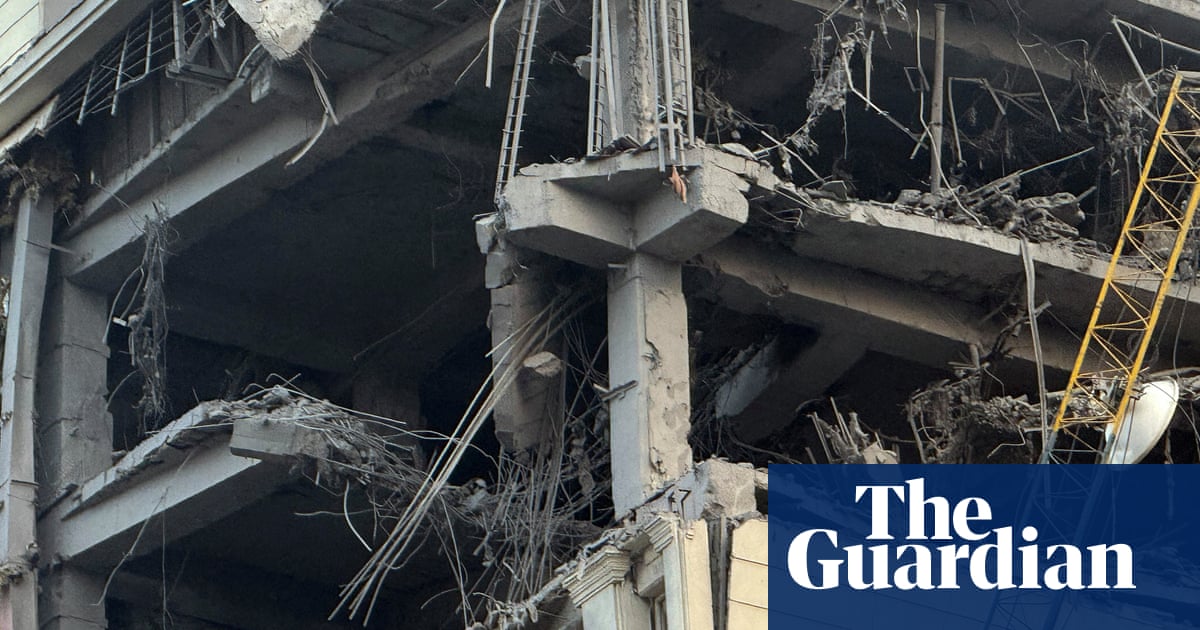
Israel launched a large-scale military operation, dubbed "Rising Lion," targeting over 100 Iranian sites, including nuclear facilities and missile sites, resulting in significant casualties and infrastructure damage. The attack, which involved 200 fighter jets and covert drone operations, was described by Israeli Prime Minister Netanyahu as a pre-emptive strike to dismantle Iran's nuclear weapons program, citing intelligence indicating Iran's advanced weaponization efforts and imminent nuclear capability. The strikes have drawn widespread condemnation and raised fears of a broader regional conflict, with Iran threatening severe retaliation and closing diplomatic missions, while the IAEA convenes an emergency meeting and the US offers mixed signals regarding its involvement and awareness of the operation.
Israel has executed a significant military operation, codenamed "Rising Lion," targeting over 100 Iranian locations, including the Natanz nuclear facility and various missile sites, utilizing an estimated 200 fighter jets and covertly deployed drones. Israeli Prime Minister Benjamin Netanyahu has justified this as a pre-emptive strike aimed at dismantling Iran's nuclear weapons program, asserting that Iran possesses sufficient enriched uranium for nine warheads and is rapidly advancing its weaponization efforts, potentially nearing nuclear capability within months. The operation has reportedly led to substantial casualties in Iran, with Fars news agency reporting at least 78 killed and 329 injured, and the deaths of senior Iranian military figures, including the head of the Revolutionary Guards, Gen Hossein Salami, and prominent nuclear scientists like Fereydoun Abbasi. Iran has officially termed the attack a "declaration of war," with Supreme Leader Ali Khamenei threatening "severe punishment" and Iran subsequently launching approximately 100 drones towards Israel, indicating a high probability of sustained regional conflict, which Israeli leadership anticipates could last "many days." This escalation has prompted widespread international condemnation, calls for de-escalation, and an emergency board meeting by the International Atomic Energy Agency (IAEA); consequently, planned US-Iranian nuclear discussions in Oman are now highly uncertain. The geopolitical landscape is further complicated by contradictory statements from the United States: while Secretary of State Marco Rubio described the Israeli action as "unilateral," President Trump lauded the attack as "excellent" and implied US foreknowledge and a deeper level of coordination, referencing a 60-day deadline he purportedly gave Iran. This event has registered a "strongly negative" sentiment score of -0.8 and a "high market impact" score of 0.9, reflecting expectations of significant market disruption, particularly concerning energy prices and regional stability, underscored by flight diversions and the closure of diplomatic missions.
AI-powered research, real-time alerts, and portfolio analytics for institutional investors.
Request DemoOverall Sentiment
strongly negative
Sentiment Score
-0.80
