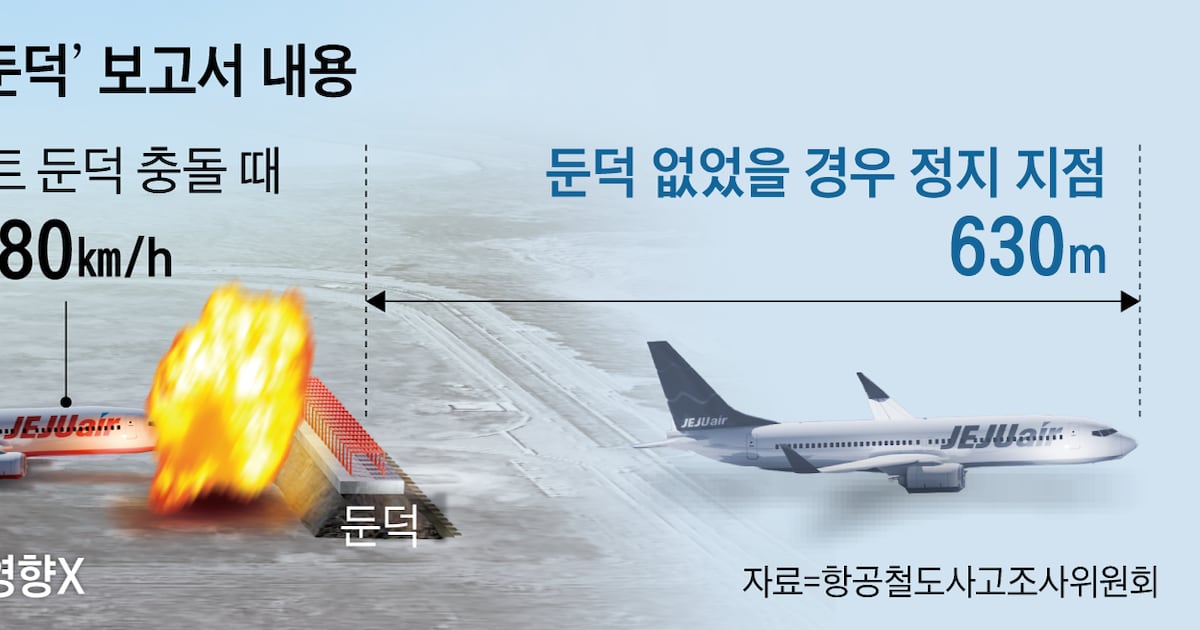
A formal study of the Jeju Air crash concluded there was no concrete embankment at the crash site and, crucially, no fatalities. The findings reduce the prospect of catastrophic liability and large-scale regulatory fallout for the carrier, suggesting limited near-term financial impact while leaving room for ongoing operational reviews and potential modest effects on insurance and reputational metrics.
Market structure: The study materially reduces the probability of large-scale liability and regulatory fines tied to infrastructure negligence, which directly benefits Jeju Air (089590.KS) and other Korean low-cost carriers by removing a tail legal overhang; expect a sentiment-driven re-rating window of 1–8 weeks with potential share moves of +10–30% if booking trends normalize. Insurers writing aviation liability (e.g., Korea-based P&C carriers) should see lower-than-feared loss emergence, tightening credit spreads for airline paper and compressing CDS by 10–50bp in a benign scenario.
Risk assessment: Immediate risk is sentiment reversal — a contrarian report or new evidence within 0–30 days could reprice shares by -15% to -40%; short-term (1–6 months) the key metric is sequential PAX and load factor recovery (look for +5–10% month-over-month improvements). Long-term (6–24 months) risks include regulatory-driven capex or operating-cost increases (maintenance/airport safety upgrades) that could shave 2–5% off industry margins; hidden dependency: insurers may raise premiums, raising airline opex with a 3–12 month lag.
Trade implications: Direct long: establish a tactical 2–4% portfolio position in Jeju Air (089590.KS) with target +20–30% in 6–12 months and stop-loss at -12%; use 3–6 month call spreads (buy 15–25% OTM, sell 40% OTM) to cap cost if IV elevated. Relative trade: pair long Jeju (089590.KS) vs short Korean Air (003490.KS) 1:1 for 3–9 months to capture faster sentiment recovery in the smaller LCC, size 1–2% net exposure.
Contrarian angles: Consensus underestimates ongoing revenue risk—consumers may delay travel recovery so upside could be underdone if bookings lag by >2 months; likewise reaction could be overdone if market fully prices out any future litigation (watch for class-action filings within 60 days). Historical parallels (post-crash recoveries such as 2013–2015 LCC incidents) show full brand recovery often takes 3–12 months, so stagger position sizing and use options to asymmetrically express the view.
AI-powered research, real-time alerts, and portfolio analytics for institutional investors.
Request DemoOverall Sentiment
neutral
Sentiment Score
0.05
