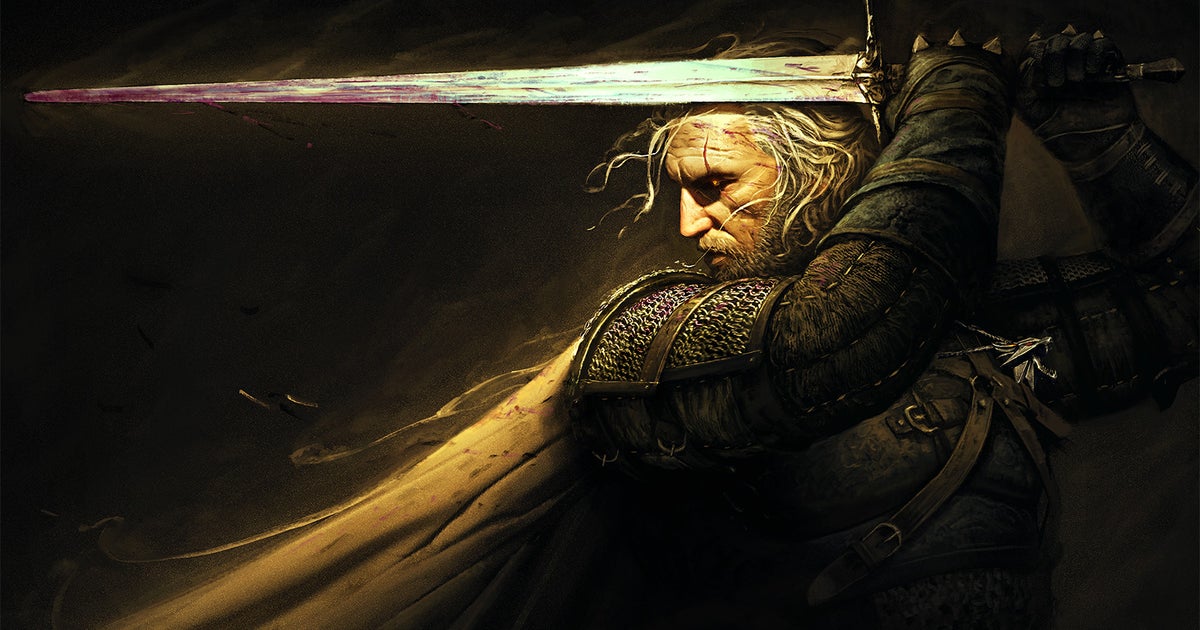
CD Projekt Red said The Witcher 3 expansion Songs of the Past was initially planned for release this year but will now launch in 2027 to improve quality. Management described it as a 'proper big expansion,' closer in scope to Blood and Wine, while declining to comment on pricing and saying the 2027 timing could indirectly support the Witcher franchise ahead of The Witcher 4. The update is directionally positive for product quality but mostly a timing shift, with limited near-term market impact.
This is less about one game delay and more about CDPR reasserting control over a crowded franchise roadmap. Pushing content into 2027 reduces near-term execution pressure, but it also lengthens the cash-conversion cycle and increases the strategic value of a pre-2027 nostalgia catalyst: the company is effectively using legacy IP to sustain engagement while the next flagship title remains a multi-year asset. That matters because fan attention, wishlist conversion, and retail visibility tend to decay quickly without a steady cadence of touchpoints.
The second-order effect is on development economics rather than headline revenue. A larger expansion tied to an older engine and a legacy codebase can be margin-accretive if scope discipline holds, but any slippage into 2027 risks turning a low-capex monetization event into a maintenance burden—especially if it requires broader compatibility work across PC and consoles. The raised minimum spec also creates a subtle bifurcation: it may improve quality perception among core players while trimming the addressable base at the low end, which is usually acceptable for premium DLC but can blunt attach rates.
The bigger strategic read-through is to the broader Witcher roadmap. Management is signaling that the franchise will be serialized through frequent releases rather than monetized through post-launch add-ons on the next installment, which should lower expectations for long-tail DLC economics on Witcher 4 but raise confidence in a faster base-game cadence. That is bullish for lifetime franchise value if they can execute, yet it also implies heavier launch dependence and therefore more binary earnings sensitivity around each title reveal, demo, and launch window.
Consensus may be underestimating how much this is a sentiment-management move as much as a product decision. In the near term, the asset is likely to support engagement metrics and keep the brand warm into the next 6-12 months; in the medium term, though, the market may have to reset expectations that the next major monetization event is further out than previously assumed. The main risk is that a polished but old-IP expansion cannibalizes attention without meaningfully accelerating Witcher 4 anticipation, making this a marketing bridge that works better for the ecosystem than for standalone valuation expansion.
AI-powered research, real-time alerts, and portfolio analytics for institutional investors.
Request TrialOverall Sentiment
neutral
Sentiment Score
0.12
