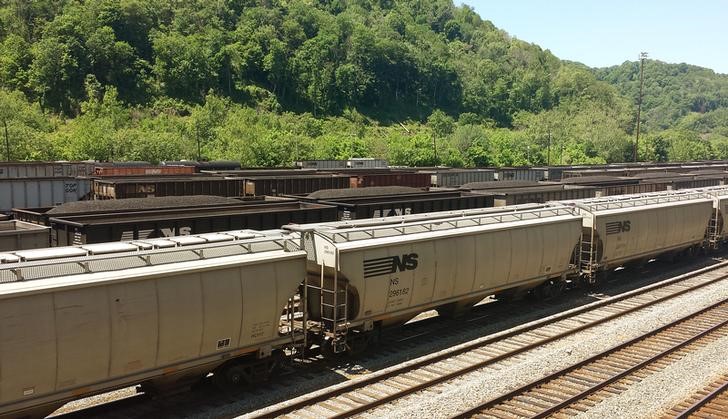
CN urged the Surface Transportation Board to reject the amended Union Pacific/Norfolk Southern merger filing, arguing it still fails to fix key competition-analysis and transaction-deficiency issues previously identified by regulators. The filing also says the proposed Committed Gateway Pricing program would raise shipping costs for many shippers and covers less than 1% of U.S. rail traffic. Separately, CN’s Q1 2026 EPS came in at CAD 1.80 with revenue of CAD 4.38B, slightly above estimates, while 13 analysts recently lowered earnings expectations.
The key read-through is not about this single merger file; it is that the regulatory bar for Class I consolidation is now functionally higher, longer-dated, and more evidence-intensive than management teams likely priced in. That shifts the probability-weighted outcome away from a clean approval path and toward either a prolonged process or a materially more constrained deal construct, which in turn reduces the strategic option value embedded in rail equities tied to consolidation hopes.
Relative winners are the railroads outside the proposed combination, especially the one with the cleanest standalone network narrative and best pricing power. If the transaction stalls, shipper uncertainty should preserve competitive fragmentation longer, which is bullish for incumbent pricing discipline and keeps volume rerouting optionality alive across intermodal, automotive, and merchandise lanes. The more interesting second-order effect is on short lines and terminal/bridge assets: they gain negotiation leverage if the mega-carrier thesis weakens, because network access becomes more valuable when the big-merger path looks harder to execute.
For UNP/NSC, the market risk is that the next catalyst is not a headline denial but a slow bleed of legal/regulatory friction over months, which tends to compress valuation multiples before fundamentals move. The strongest counterpoint is that the market may already be treating approval as remote; if so, the downside from this filing is muted and the real trade is in dispersion between rail names and transport subsectors rather than outright directional rail beta.
The underappreciated angle is that a tougher merger process can actually support near-term earnings quality for the incumbents by preserving rational pricing and limiting forced service reconfiguration. That means the negative read-through for the sector should be capped unless the STB explicitly widens its objections. The next 1-3 months matter most: if the applicants cannot address the remaining deficiencies quickly, expect regulatory overhang to persist into the next earnings season and keep deal-related volatility elevated.
AI-powered research, real-time alerts, and portfolio analytics for institutional investors.
Request DemoOverall Sentiment
mildly negative
Sentiment Score
-0.15
Ticker Sentiment
