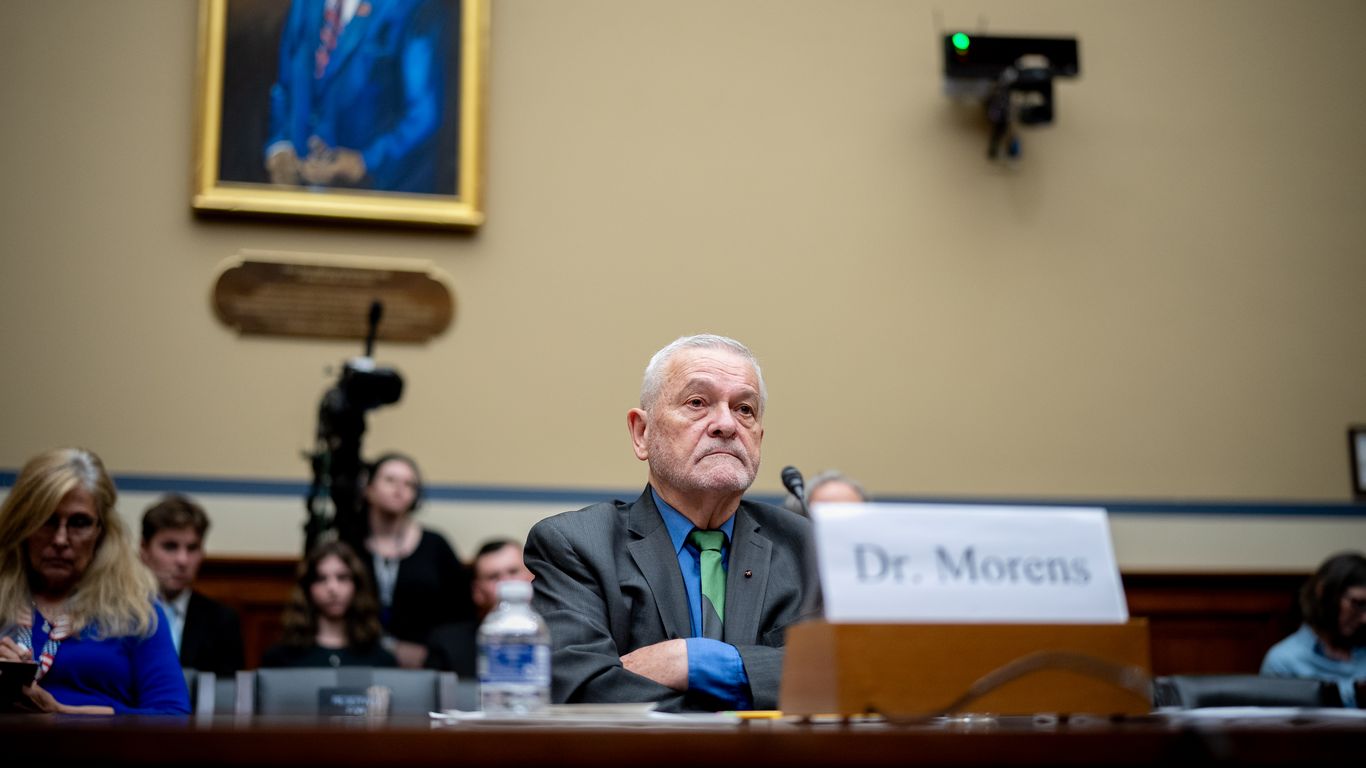
The Justice Department indicted David Morens, a former senior adviser at NIAID, on conspiracy and records-tampering charges tied to alleged deletion and diversion of COVID-19-related communications. The case revives scrutiny of the federal pandemic response and could amplify GOP messaging around COVID origins and agency reform ahead of the midterms. Market impact appears limited, with the main relevance centered on political and regulatory narrative rather than direct financial effects.
This is less a direct market event than a political monetization of a governance scandal. The immediate economic impact is negligible, but the second-order effect is that health-agency trust becomes a campaign asset, increasing the odds of further scrutiny, reorganizations, and staffing churn across the public-health apparatus into the next election cycle. That matters for healthcare vendors, federally funded research channels, and any biotech name with meaningful exposure to grant timing or advisory-panel opacity.
The main market risk is not the indictment itself but the narrative reinforcement loop: if the story keeps the pandemic-response debate alive, it can prolong headline risk around NIH/FDA/CDC leadership, document retention, and oversight. That creates a slow-burn overhang for healthcare policy-sensitive subsectors over the next 3-9 months, especially companies tied to vaccine manufacturing, diagnostic demand normalization, or federal procurement where reimbursement and approval timetables depend on political stability. On the flip side, consultants, defense-adjacent cyber/compliance vendors, and legal-services names can benefit if agencies respond with heavier record-keeping and controls.
The contrarian view is that the trade may be over-narrativized: voters may care far less than the political class assumes, and the issue can fade quickly if inflation, immigration, or labor markets dominate the cycle. If so, the downside for healthcare equities from this headline should be bought, not chased, because the actual earnings impact is likely delayed and diffuse rather than immediate. The more durable effect is on governance risk premium, not sector fundamentals.
AI-powered research, real-time alerts, and portfolio analytics for institutional investors.
Overall Sentiment
mildly negative
Sentiment Score
-0.15
Ticker Sentiment
