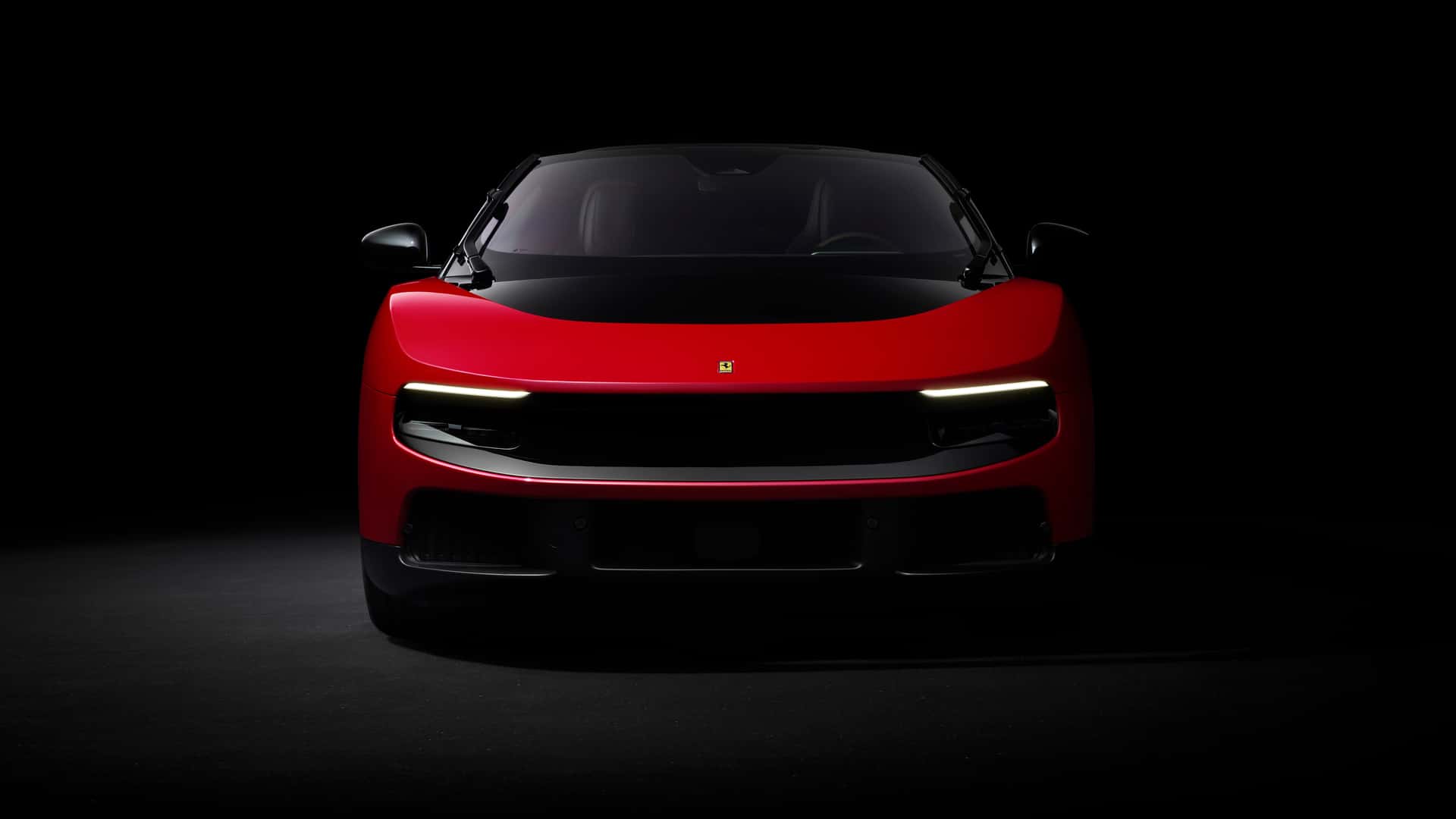
Ferrari unveiled its first EV, the Luce, with up to 1,050 horsepower, 0-100 km/h in 2.5 seconds, and a starting price of €550,000 (about $640,000). The car introduces a new 800-volt structural battery pack, four in-house electric motors, advanced torque-vectoring, and a highly distinctive design and interior. It is a regular production model with orders opening immediately, making this a meaningful product milestone for Ferrari, though not a market-wide event.
This is less about one halo car and more about Ferrari proving it can preserve pricing power while rewriting its product architecture. If the launch lands well, the second-order effect is a higher mix of software-like customization revenue, stronger order book visibility, and a broader addressable customer base that now includes ultra-luxury EV buyers who previously defaulted to bespoke GTs or bespoke SUVs. The key competitive threat is not Tesla or mass-market EVs; it is Aston Martin, Lamborghini, Bentley, and Porsche at the top end, where the benchmark shifts from acceleration to perceived craftsmanship and brand legitimacy in electrification.
The biggest margin implication is that Ferrari is likely using the EV to raise, not dilute, average transaction values. A flagship EV with extensive options can reset the ceiling for personalization spend and improve gross margin mix even if the underlying battery economics are less attractive than ICE or hybrid programs. The fact that the platform is designed for future cell chemistries also suggests lower obsolescence risk and potentially better residual values, which matters because residual support is the hidden enabler of lease economics and dealer inventory confidence in luxury autos.
Near term, the stock’s reaction will depend on whether investors view this as proof of strategic optionality or a sign of expensive execution risk. The main downside case is that demand skews to curiosity rather than repeatability, or that the launch pulls focus from higher-volume hybrid models where Ferrari’s current earnings power sits. Over 6–18 months, the catalyst path is order intake, option mix, and commentary on production constraints; if those are strong, this can justify a higher multiple even before meaningful EV unit volume arrives.
The contrarian view is that the market may be underestimating how little this changes Ferrari’s financial profile in the next 4 quarters. This is a brand and mix event first, a volume event much later. That means the upside is mostly multiple expansion, while the downside is limited unless early customer enthusiasm fades or pricing integrity breaks.
AI-powered research, real-time alerts, and portfolio analytics for institutional investors.
Request DemoOverall Sentiment
strongly positive
Sentiment Score
0.72
Ticker Sentiment
