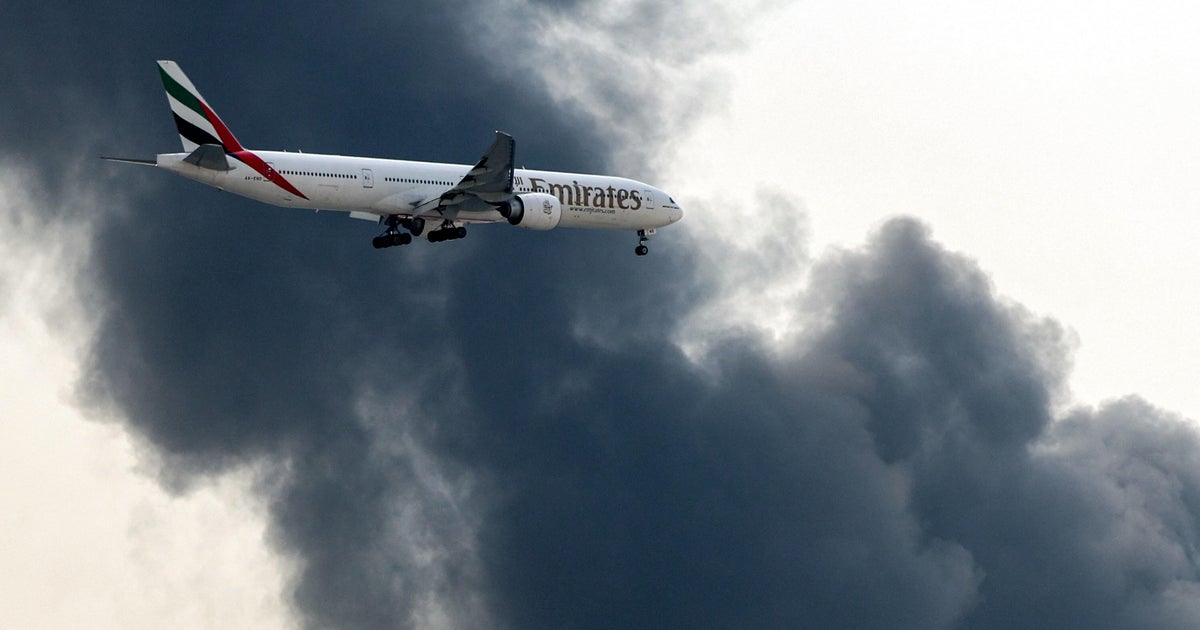
Oil prices remain above $100/bbl as the Strait of Hormuz has been effectively paralyzed for over two weeks, keeping energy risk premia elevated and threatening global supply. The U.S. plans to deploy up to 5,000 additional forces while Iran has reportedly launched roughly 309 missiles and ~1,600 drones at the UAE, triggering intercepts, fires in Fujairah and a civilian death in Abu Dhabi. Escalatory moves — Israeli strikes (including an aircraft strike in Tehran), limited ground ops in southern Lebanon, and diplomatic pressure on allies and China — raise the probability of further oil-flow disruptions and broader risk-off market volatility.
The market is pricing a persistent Gulf-origin risk premium into energy and transportation chains rather than a one-off spike; expect Brent/WTI to trade with a $10–30/bbl structural risk premium over the next 1–3 months unless a credible multinational escort or diplomatic deal emerges. Rerouting through the Cape adds meaningful voyage time and bunker costs (roughly +15–30% shipping freight on VLCCs/AFRAMAXes in the near term), which amplifies delivered crude costs for Asia/Europe and tightens refining feedstock availability regionally, favoring vertically integrated producers with logistics control.
A less-obvious multiplier is strategic inventory dynamics: war-risk insurance and reduced tanker availability will accelerate drawdowns in commercial floating storage and strategic refinery crude inventories within 30–90 days, creating sharper backwardation and amplifying short-dated crude and product volatility. Simultaneously, depletion of interceptor inventories among Gulf militaries creates near-term demand for air-defense and missile-defense procurement (replacement missiles/interceptors, radar systems) that will show up in defense OEM bookings over 3–12 months, not just in spot sales.
Catalysts that could reverse the premium are: a coordinated escort coalition or China-mediated reopening (weeks), major SPR releases from multiple states (days–weeks) or credible de-escalation signaling from Tehran (weeks–months). Tail risks that push oil to the $120–150 range are targeted strikes on major export terminals or prolonged denial of Hormuz-class routes; conversely, political brokerage or a temporary insurance corridor could evaporate most of the premium in under a month.
AI-powered research, real-time alerts, and portfolio analytics for institutional investors.
Request DemoOverall Sentiment
strongly negative
Sentiment Score
-0.75
