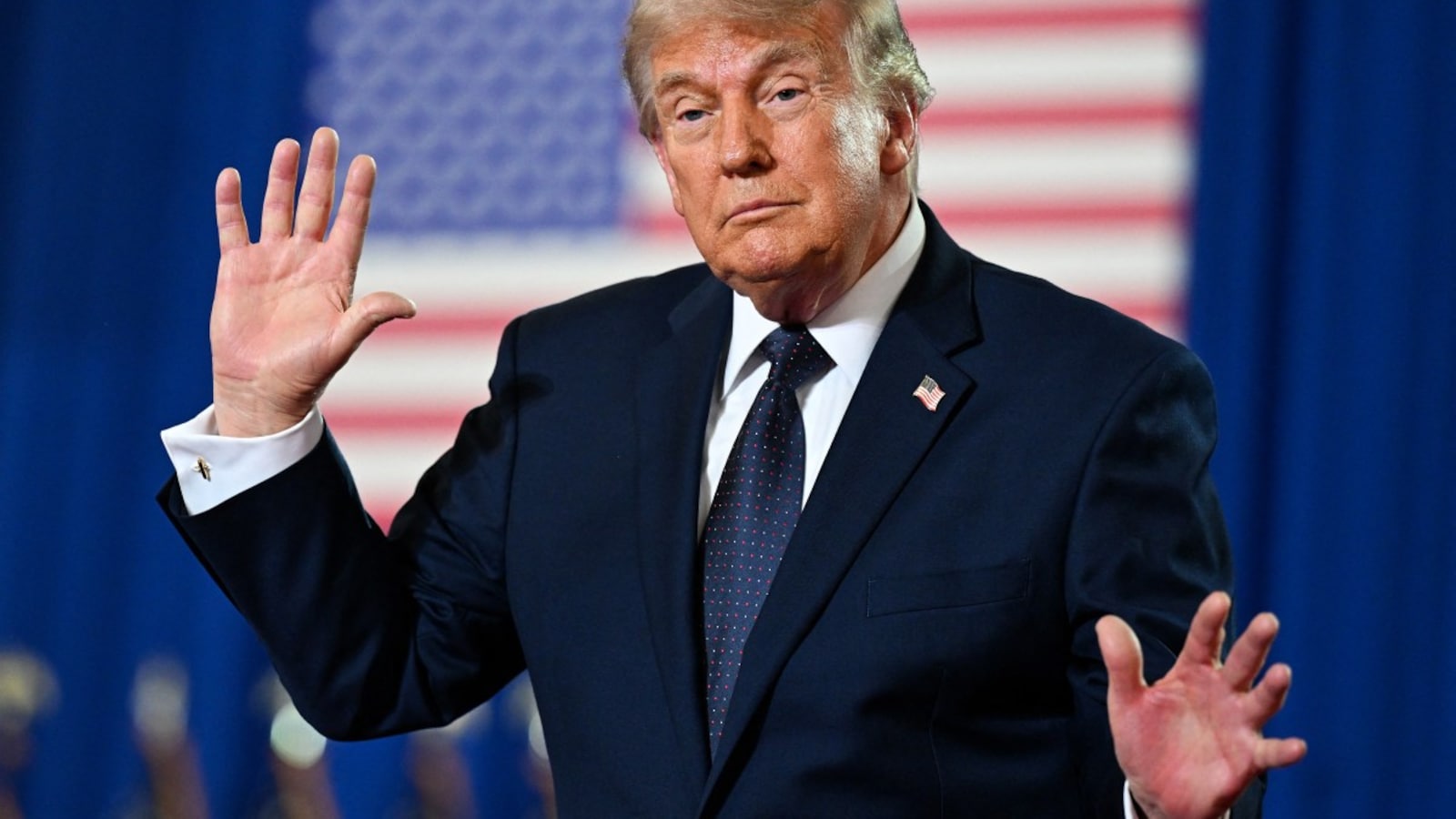
Trump said a US-Iran peace deal has been largely negotiated, with final details still being finalized after regional talks involving Israel and other allies. The Strait of Hormuz was a key flashpoint: Trump said it would reopen, while Iran said it would keep control and only restore shipping to pre-war volumes, not free passage. The development is geopolitically significant and could ease energy and shipping risk if confirmed, but major uncertainty remains around the nuclear issue and formal terms.
The market should treat this as a volatility-compression event first and a durable peace regime only second. The immediate winners are the obvious “war premium” shorts: front-end crude, tanker rates, Gulf insurance, and any assets pricing a persistent interruption in Hormuz flow. But the deeper second-order beneficiary is global cyclicals outside energy—lower shipping risk, lower input-cost uncertainty, and a modest relief rally in EM external funding spreads if this actually de-escalates over the next 2-6 weeks.
The biggest mispricing risk is assuming throughput normalization equals risk normalization. Even if passage volumes return, Tehran’s bargaining leverage shifts from disruption to calibration: selective enforcement, delayed compliance, and episodic signaling can keep a floor under freight and insurance without reopening full-scale conflict. That means the market may overreact to headlines, then underprice the persistence of a “managed friction” regime that caps the downside in oil but also limits the upside in airlines, chemicals, and import-intensive transports.
Catalyst-wise, the key is whether the announcement includes nuclear sequencing, asset-release mechanics, and any maritime enforcement language; those are the clauses that determine whether this is a 1-2 week squeeze in geopolitical risk premium or a 3-6 month repricing. If those pieces are vague, expect a classic sell-the-news in crude and defense contractors, followed by renewed bid support on any sign of implementation drift. The contrarian view is that the consensus is too focused on the peace headline and not enough on verification: without a credible enforcement architecture, the “deal” may reduce tail risk but not eliminate the embedded disruption premium.
AI-powered research, real-time alerts, and portfolio analytics for institutional investors.
Request DemoOverall Sentiment
mildly positive
Sentiment Score
0.15
