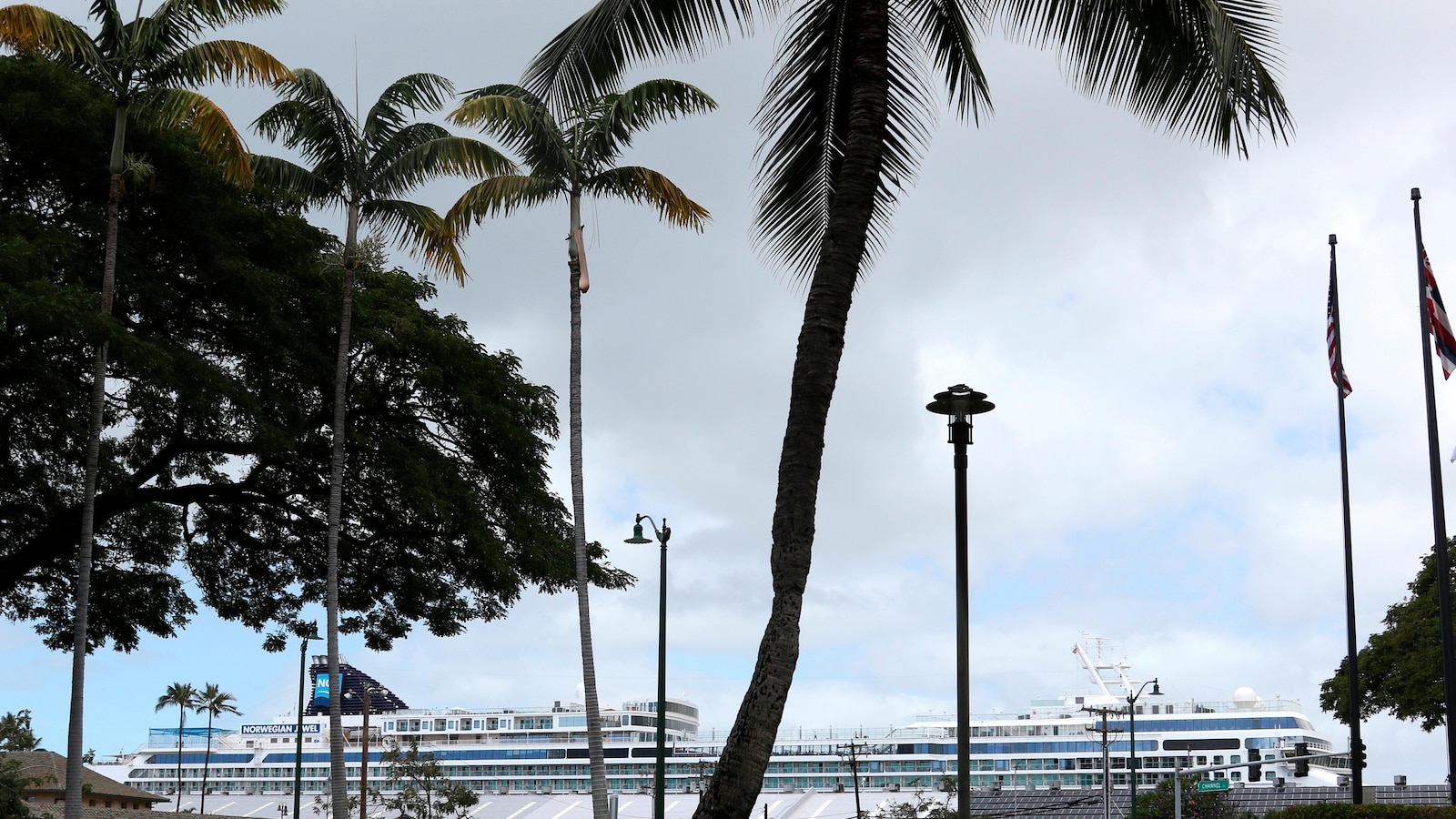
A federal judge refused to enjoin Hawaii’s new climate-related tourist tax, clearing the way for an 11% levy on cruise passengers’ gross fares (prorated for days in port) that can rise by up to a 3% county surcharge to 14%, effective at the start of 2026. Officials estimate the measure will generate nearly $100 million annually; Cruise Lines International Association and local businesses have sued, plan to appeal, and the U.S. government has intervened criticizing the law. The ruling increases regulatory and cost risk for cruise operators serving Hawaii, though the broader market impact is likely limited given the narrow geographic scope.
Market structure: The immediate winner is the State of Hawaii (improved fiscal resources; ~$100M/year estimated) and vendors of climate/resilience projects; direct losers are cruise operators serving Hawaiian ports and local tourism service providers that face an 11% prorated fare levy (counties can add 3%). Pricing power shifts modestly to state/municipal authorities; cruise lines may pass 50–100% of the levy to consumers on Hawaii-heavy itineraries, implying a fare increase of roughly 2–5% for typical multi-day itineraries depending on port-day weighting.
Risk assessment: Near-term legal tail risk is high — plaintiffs will appeal and could secure an injunction before 1 Jan 2026, creating volatility through H1 2026. Medium-term (6–18 months) the bigger risk is contagion: other states/ports adopting similar levies or federal preemption, which could structurally raise costs for the industry. Hidden dependencies include itinerary mix (fleet redeployments away from Hawaii) and renegotiation of port fees/supplier contracts; catalysts are appellate rulings, county surcharge adoptions, or coordinated industry fare re-pricing.
Trade implications: Tactical trades should be small and event-driven. Expect unilateral, temporary share weakness in CCL, RCL, NCLH on adverse rulings or renewed litigation headlines (20–35% intraday downside possible in worst-case legal shocks). Bonds: Hawaii muni credit may modestly improve long-term (climate funding), but a short-term volatility spike could widen yields; FX and commodities negligible.
Contrarian angle: The market may overstate demand elasticity — Hawaiian itineraries are inelastic luxury purchases for many customers, so an incremental 2–5% fare lift likely won’t shutter demand nationwide. If appeal fails and tax stands, the shock is finite (~$100M/year vs. $40–50B industry revenue), making any selloff an opportunity to add selective long exposure in industry leaders with healthy balance sheets.
AI-powered research, real-time alerts, and portfolio analytics for institutional investors.
Request DemoOverall Sentiment
moderately negative
Sentiment Score
-0.30
