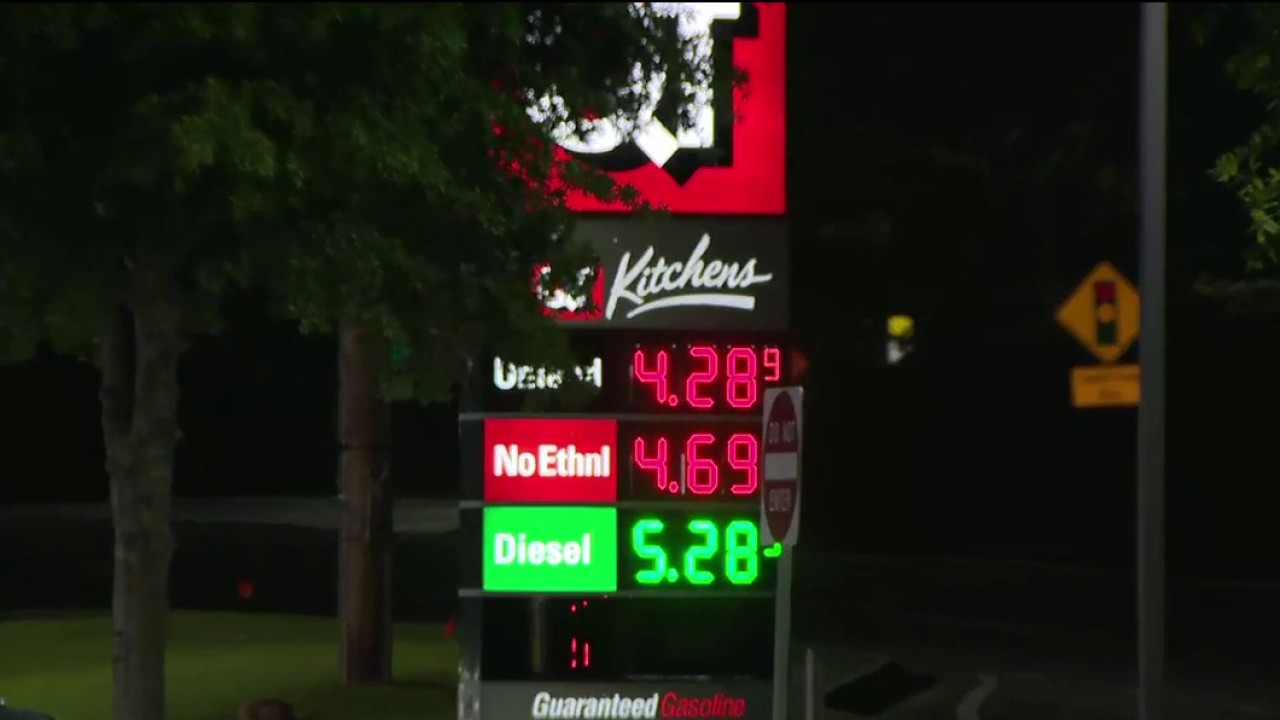
Georgia’s average regular gasoline price jumped nearly 14 cents overnight to just under $4 per gallon, about 35 cents higher than a week ago and up from roughly $3.55 early last week. Premium fuel is nearing $4.91 and diesel is above $5.16, with Middle East conflict cited as a key driver of the spike. The state’s temporary gas-tax suspension is saving about 33 cents per gallon but is set to expire in two weeks unless extended, leaving room for another increase later this month.
The first-order winner is the upstream/energy complex, but the cleaner trade is not a generic oil bet — it’s anything levered to the consumer squeeze and transport cost pass-through. A sustained fuel shock acts like an immediate tax on lower-income households, which tend to cut discretionary spend within days, not months; that argues for a near-term relative-value short in consumer-facing retail, restaurants, and small-ticket discretionary versus defensives. The second-order effect is margin compression for regional freight, airlines, and delivery-heavy names if fuel costs stay elevated into the next billing cycle.
The most important catalyst is the tax holiday expiration. If the state subsidy rolls off, the headline pump price jumps again even if crude stabilizes, creating a mechanically worse affordability story and a fresh round of consumer sentiment deterioration. That creates a short-window setup where the market may underappreciate a second leg higher in inflation expectations and bond yields, particularly if gasoline keeps showing up in inflation surveys before broader core data re-accelerates.
Contrarianly, the move may be partially overdone on duration: pump prices can mean-revert fast if geopolitical risk premium fades or refinery margins normalize, and Georgia’s relative cheapness versus the national average means the local shock is less severe than the headline suggests. The better expression is to fade the second-order losers rather than chase crude here. If the Middle East risk premium persists, expect the pain trade to be in consumer discretionary earnings revisions over the next 1-2 quarters, not in energy equities where the market already discounts much of the macro backdrop.
AI-powered research, real-time alerts, and portfolio analytics for institutional investors.
Overall Sentiment
mildly negative
Sentiment Score
-0.35
