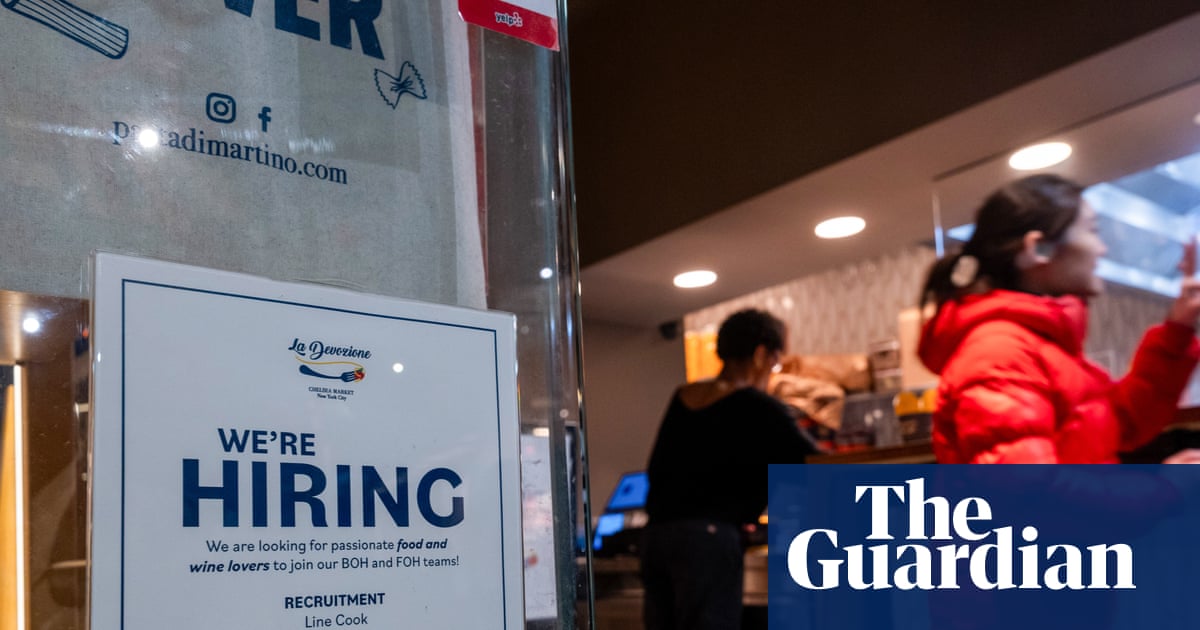
US employers added 172,000 jobs in May, well above the 80,000 economists expected, while unemployment held at 4.3%. March and April payrolls were revised up by a combined 93,000 jobs, reinforcing evidence of a resilient labor market despite higher inflation and uncertainty from Middle East conflict. The report supports expectations that the Fed will hold rates steady at its June 16-17 meeting, even as political pressure for cuts continues.
The labor market is still generating enough income growth to delay the classic “growth scare” trade, but the bigger implication is that monetary easing is becoming a second-order political variable rather than a macro necessity. That matters because rate-sensitive parts of the market have already priced some probability of a softer Fed, and this data reduces the odds of a near-term dovish pivot while leaving cuts as an increasingly contested 2H story rather than a June event.
For equities, the immediate beneficiaries are businesses with labor exposure that can pass through pricing or use staffing discipline to protect margins; the losers are the same duration-sensitive cohorts that depend on lower discount rates and cheaper refinancing. A resilient payroll backdrop also supports consumer-facing names with high-frequency sales, but it raises the risk that wage persistence keeps input inflation sticky, which could compress margins in retail, restaurants, and small-cap cyclicals over the next 1-2 quarters.
The non-obvious angle is that broad-based hiring makes the central bank’s reaction function less symmetric: a strong jobs print plus firmer inflation data would force the market to reprice the path, not just the terminal rate. That creates a cleaner setup for relative value than outright beta — if the Fed stays on hold, the market should favor profitable balance-sheet strength and penalize levered duration. The political overlay also increases headline volatility around Fed commentary, but that is more likely to move the front end and growth proxies than the broader index unless the data rolls over sharply.
ADP looks tactically supported if payroll strength translates into more corporate staffing demand, but the upside is limited because the market already knows labor is holding up. The better trade is to fade the most rate-sensitive beneficiaries of a cuts narrative and own cash-generative quality until the next CPI/PCE or labor miss creates a true policy turn. Tail risk: a sudden deterioration in hiring over the next 4-8 weeks would rapidly flip the tape back toward cuts, so these positions should be sized as short-duration relative value rather than structural shorts.
AI-powered research, real-time alerts, and portfolio analytics for institutional investors.
Request DemoOverall Sentiment
neutral
Sentiment Score
0.15
Ticker Sentiment
