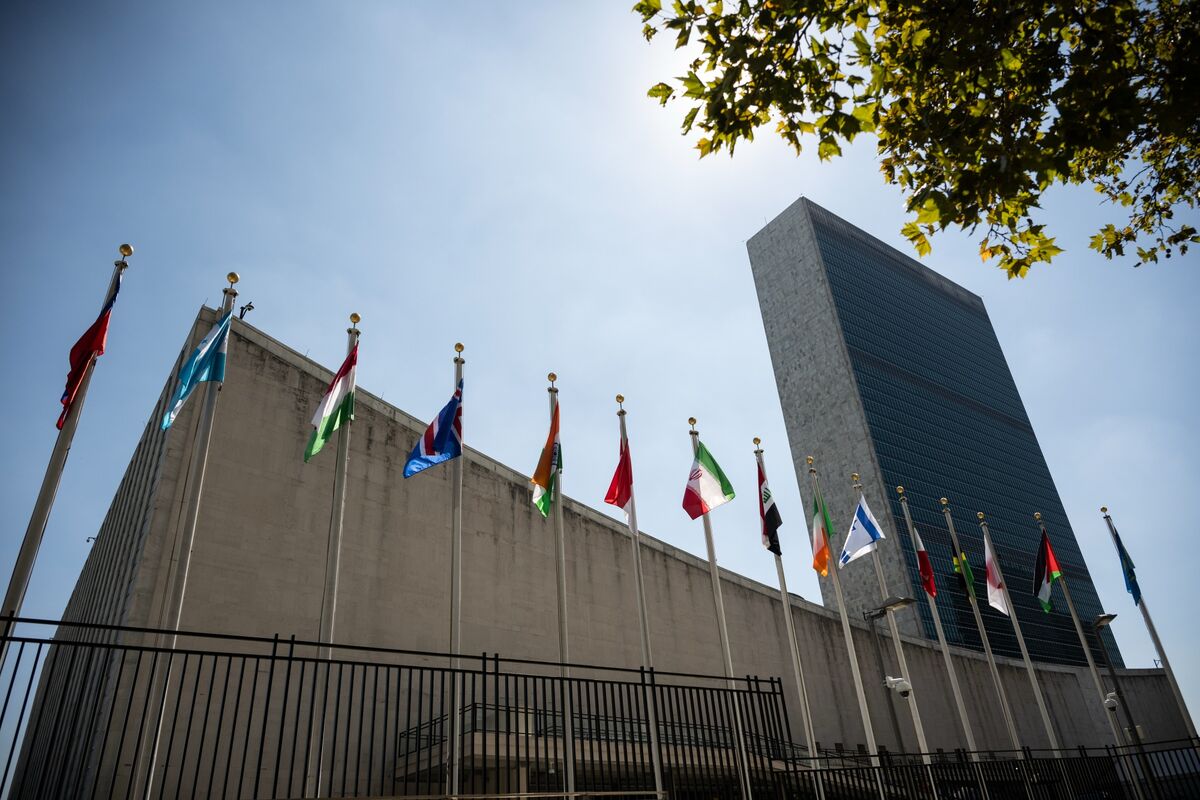
The UN says it has enough funds to operate only through end-August, with controller Chandramouli Ramanathan warning “September, money is gone” unless major member payments are received. The shortfall is driven by major contributors, including the US and China, not having paid amounts owed in full. The update signals worsening near-term liquidity risk for an important multilateral institution, though it is unlikely to directly move major financial markets immediately.
This is a liquidity event, not a demand shock, so the first market reaction should be muted. The real signal is governance: when the largest contributors are late, it becomes a live test of payment discipline across multilateral institutions, which can widen working-capital stress for vendors that rely on reimbursement cycles rather than upfront funding.
Over the next 1-3 months, the pressure should show up first in discretionary spend, mission support, and procurement timing, not in a broad re-rating of global equities. The second-order risk is on frontier sovereigns and aid-dependent budgets that bridge cash flow around UN reimbursements; if those payments slip, it raises short-term funding stress and can add marginal spread pressure to EM credit.
Contrarian view: this is usually overread as systemic risk because the institution can shuffle payments and bridge temporarily, so absent a broader collection failure the impact may be contained. The key falsifier is a credible September funding bridge from the major contributors; if that appears, any risk-off move in EM or defense-adjacent contractors should be faded rather than chased.
AI-powered research, real-time alerts, and portfolio analytics for institutional investors.
Request DemoOverall Sentiment
moderately negative
Sentiment Score
-0.55
