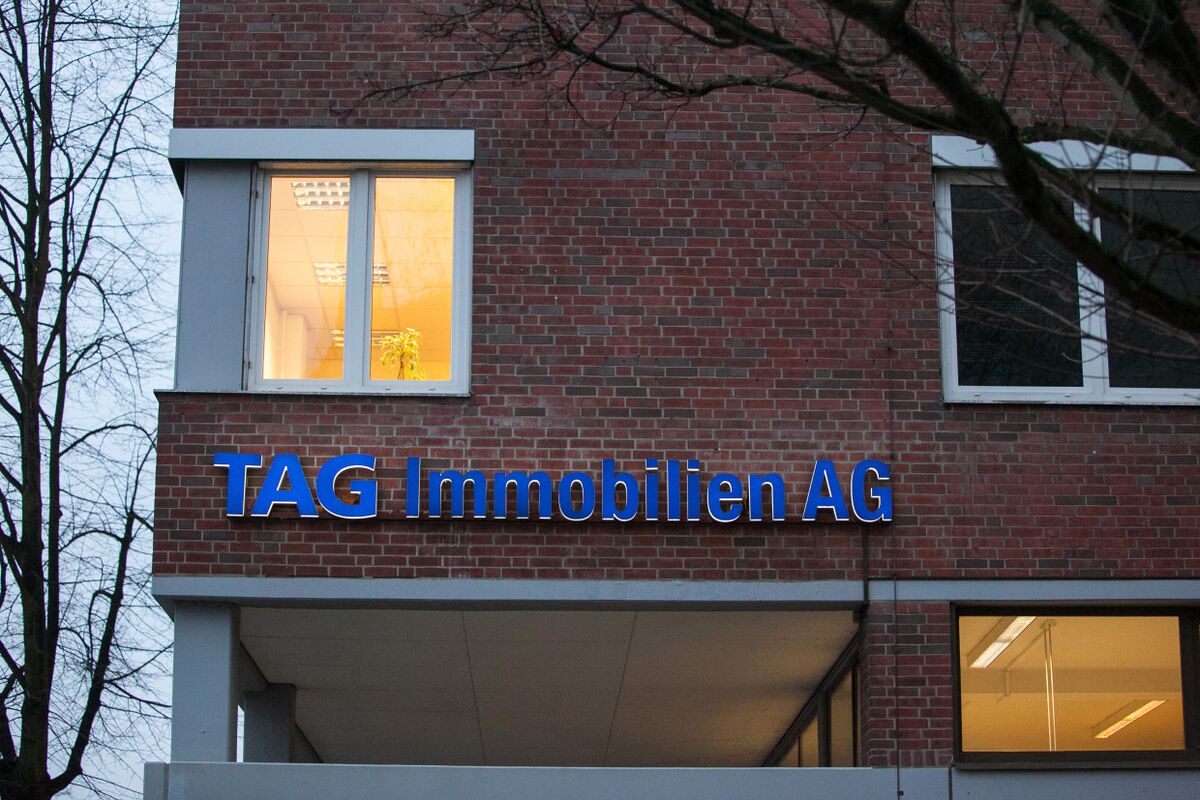
TAG Immobilien is said to be considering launching the formal process for a potential IPO of its Polish unit Robyg SA in Warsaw within the coming weeks. The company is working with Goldman Sachs, Erste Group and mBank on the transaction. The report is preliminary and process-related, so it is mildly positive but unlikely to move the broader market materially.
A Warsaw IPO of a Polish residential platform would likely be read first as a valuation-reset event for Central European housing assets rather than a pure capital-raising story. If the market gives the unit a cleaner public comp, the parent can crystallize a discount embedded in the conglomerate structure; that tends to help the listed parent more than the subsidiary if proceeds are used to delever or recycle capital into higher-return German assets. The real beneficiary could also be regional banks and advisers that pick up underwriting, placement, and financing mandates if the process gains traction.
Second-order, a public market price for a Polish rental/homebuilding platform could reset valuation expectations across CEE residential peers. If the IPO clears at a stronger multiple than private-market marks, it pressures listed landlords and developers to defend their own NAV discounts; if it prices weakly, it may signal that rate sensitivity and affordability constraints are still dominating transaction appetite in the region. Either way, the next 1-3 months matter more than the deal itself, because early investor feedback will tell you whether the market wants duration in housing cash flows or is still demanding a liquidity premium.
The main risk is that this becomes a “good asset, bad tape” event: a solid story that still prices conservatively because EM property and IPO calendars are crowded. A failed or delayed process would likely hurt sentiment on the parent more than the underlying fundamentals, but a successful listing could create a follow-on supply overhang if the parent or private holders later monetize more stock. The contrarian read is that a Polish IPO may actually be a liquidity test on local institutional demand, not a valuation event; if domestic money is weak, the deal could expose how dependent the region remains on foreign capital for public-market clearing.
For GS, the near-term upside is fee-driven and modest in absolute terms, but successful execution can create a pipeline effect in European ECM. For housing names, watch for relative-multiple compression or expansion versus German and CEE peers over the next quarter; this is more likely to move trading comps than to change operating fundamentals. The cleanest catalyst is an official launch with a price range, because that is when the market can infer whether management is trying to maximize proceeds or simply establish a public currency.
AI-powered research, real-time alerts, and portfolio analytics for institutional investors.
Request DemoOverall Sentiment
mixed
Sentiment Score
0.15
Ticker Sentiment
