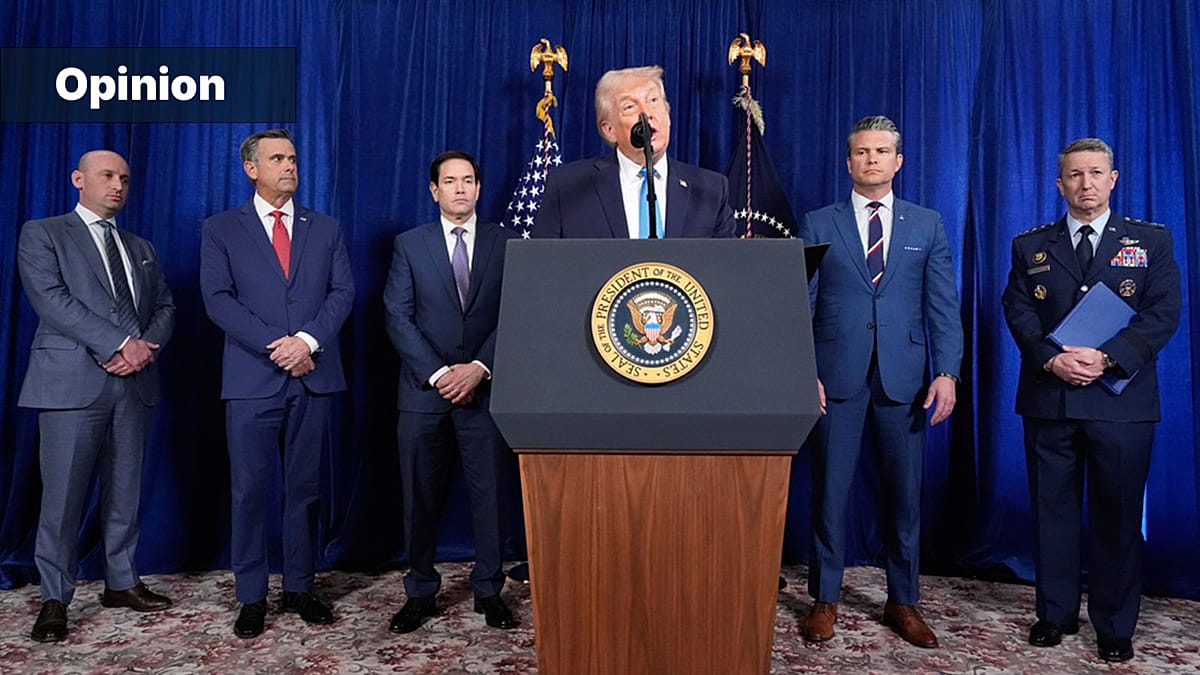
The article argues the US seizure and arrest of Venezuelan leader Nicolás Maduro (and his wife), carried out with military force, exemplifies how great powers ignore the so‑called rules‑based international order when it suits their interests. The piece warns that Europe’s reliance on normative language without commensurate military, economic or strategic instruments leaves it exposed and diminishes its influence, raising geopolitical risk for emerging markets and policy stability. Investors should view this as a modest but tangible increase in geopolitical uncertainty that favors a defensive positioning until clarity on European strategic responses emerges.
Market structure: Geopolitical normalization of “power over rules” boosts defense, security, and safe-haven assets while pressuring emerging-market credit and regional FX. Expect near-term winners: large US defence primes (LMT, RTX, GD) and cybersecurity vendors; losers: Venezuela-linked assets, Caribbean/Latam sovereigns and insurers underwriting political-risk. Oil may see a knee-jerk +5–15% spike over days if shipping/exports are disrupted; gold +3–8% as a 1–3 month hedge; EM sovereign spreads likely widen +100–300bps in 1–3 months.
Risk assessment: Tail risks include military escalation in the Caribbean, retaliatory sanctions from Russia/China, or cyberattacks on Western financial infrastructure — low prob but >30% portfolio drawdown potential for naive EM positions. Immediate (0–7 days): risk-off flows to USD/Treasuries and gold; short-term (weeks–months): EM credit repricing, defense capex signaling; long-term (1–3 years): accelerated European defence budgets and onshoring of strategic supply chains. Hidden dependencies: insurers, trade finance banks, and SWIFT-like messaging can amplify contagion.
Trade implications: Direct plays: overweight LMT/RTX for 6–18 months and buy GLD/physical bullion as 1–3% portfolio insurance; short EM bond ETF (EMB) or buy 3‑month puts on EMB to capture spread widening; buy 3-month 25-delta puts on EEM as equity tail-hedge. Pair and options: pair long LMT vs short broad EM equity (EEM) to express defence vs EM instability; implement cost-limited call spreads on LMT (6–12 month) and put spreads on EEM (3–6 month).
Contrarian angles: Consensus may overstate permanent oil supply upside — if the US gains control of Venezuelan flows, longer-term supply could increase, pressuring oil beyond 12–24 months. EM sell-off could overshoot: selectively buy high-quality selective LatAm exporters (EWW cautiously, or MXN forwards) on >10% drawdowns within 3 months. Historical analog: post-intervention shocks (1990s) priced in fast, defense outperformance persisted; use that asymmetric risk/reward.
AI-powered research, real-time alerts, and portfolio analytics for institutional investors.
Request DemoOverall Sentiment
moderately negative
Sentiment Score
-0.35
