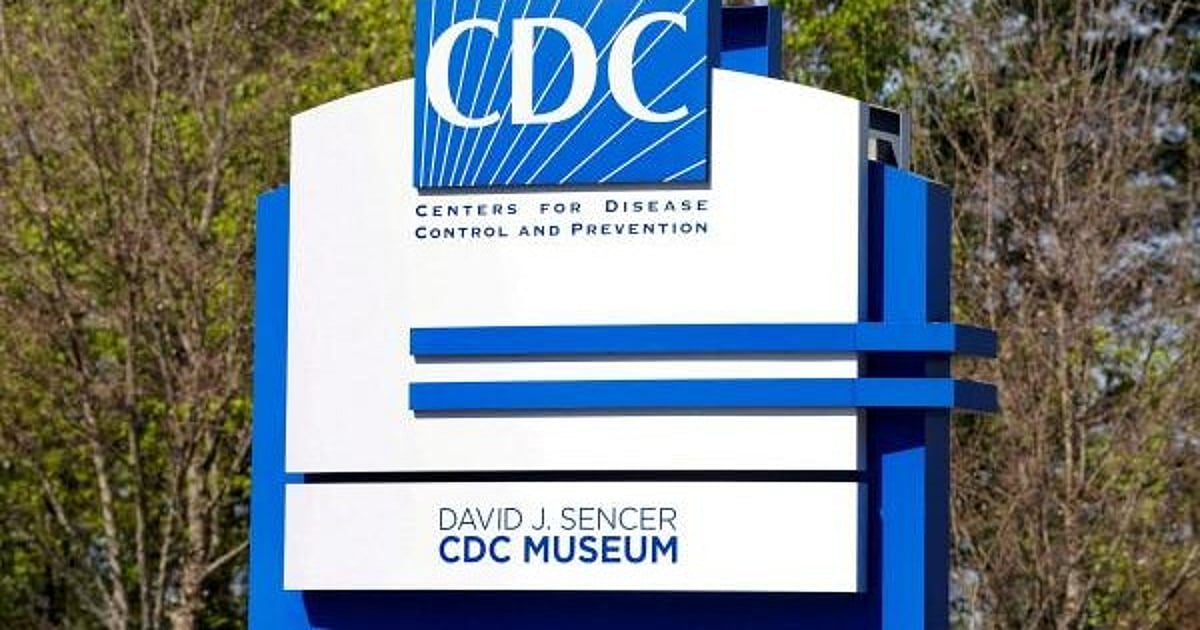
The Trump administration is expected to deploy US public health officers to Kenya to staff a potential quarantine facility tied to the Ebola outbreak in the Democratic Republic of Congo. The facility is intended for Americans exposed to or testing positive for the virus, while the CDC has asked staff to volunteer for urgent Ebola screening support at US entry points. No Ebola cases have been confirmed in the US, but Congo has reported 105 confirmed cases and 10 confirmed deaths, and Uganda 7 confirmed cases and 1 death.
The immediate market signal is not about domestic infection risk; it is about administrative willingness to pre-position capacity before a visible US case count emerges. That matters because it lowers the odds of a “surprise logistics scramble” later, which would otherwise benefit a narrow set of testing, transport, and isolation-service vendors in a compressed window. The first-order read is mildly negative for HHS-facing staffing flexibility, but the second-order effect is a small positive for firms that sell rapid screening, cold-chain transport, and temporary medical infrastructure if the response broadens beyond government personnel.
The more interesting tradeable issue is the latency between outbreak headlines and commercial demand. Historically, these setups create a short-lived spike in biosurveillance and border-screening spend, but the real P&L impact accrues only if the event shifts from containment to recurring operational protocol over several months. If cases remain regionally contained, any trade predicated on a sustained health-security budget bump likely fades within 2–6 weeks; if cross-border monitoring expands, the beneficiaries are more likely to be government-services contractors than pure-play healthcare names.
The contrarian view is that the market may be overpricing the geopolitical theater and underpricing the low probability of a durable US healthcare revenue tailwind. Ebola headlines tend to compress into a brief volatility event rather than a structural earnings revision, so chasing broad healthcare exposure here is low quality. The cleaner edge is in relative-value names with government exposure and operational leverage to emergency deployments, not in defensive pharma or large-cap medtech where this barely moves estimates.
AI-powered research, real-time alerts, and portfolio analytics for institutional investors.
Request DemoOverall Sentiment
mildly negative
Sentiment Score
-0.20
Ticker Sentiment
