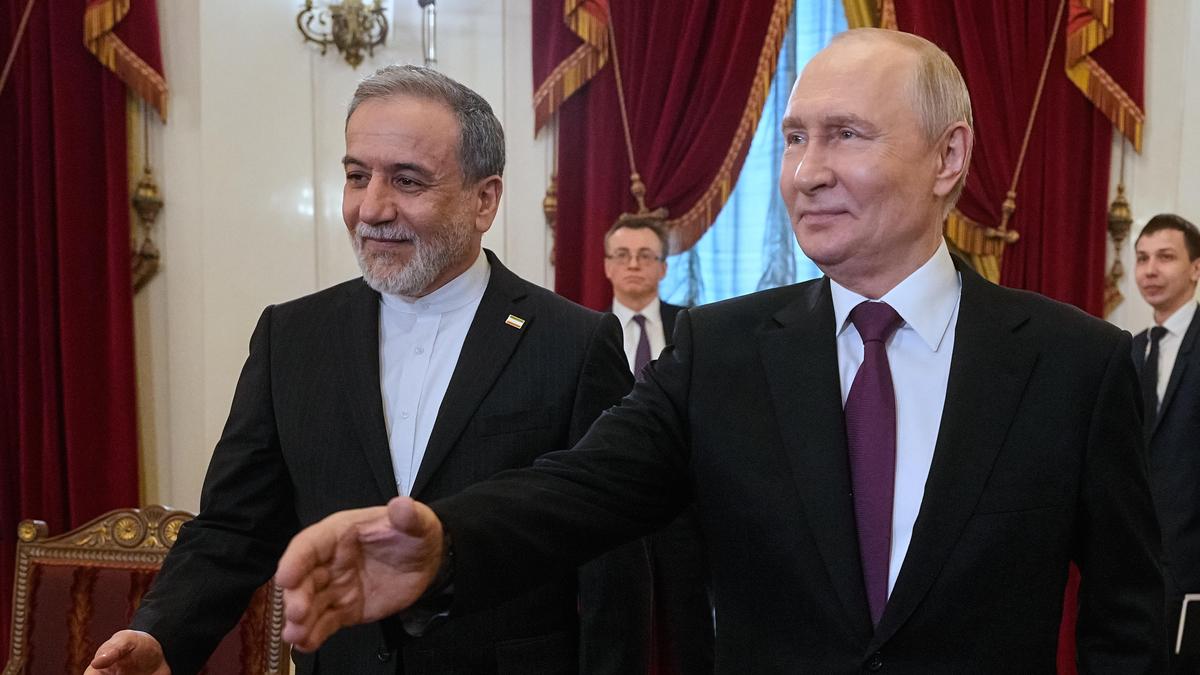
Iran’s foreign minister Abbas Araghchi said his Islamabad trip was "very productive" as regional peace efforts remain in flux, with planned talks in Pakistan collapsing and no clarity on the next round of negotiations. Separately, Hezbollah leader Naim Qassem rejected Lebanon’s planned direct talks with Israel as a "grave sin," underscoring continued geopolitical tension in West Asia. The article signals elevated regional risk but provides no direct market-specific economic data.
The market implication is less about one headline and more about a widening gap between diplomacy-driven headline risk and actual physical disruption. That favors assets tied to insurance, security, and rerouting capacity over outright directional commodity bets: the first-order effect is elevated volatility, but the second-order effect is a sustained tax on trade efficiency across the Gulf-to-Red Sea corridor.
The clearest beneficiaries are defense, cyber, and maritime logistics names with exposure to government procurement and premium freight. In contrast, EM allocators should treat Pakistan, Lebanon, and frontier Middle East credits as event-risk proxies: even without direct escalation, refinancing spreads can gap wider because foreign policy uncertainty raises the discount rate on capital flows and delays external funding.
The contrarian read is that repeated high-level talks can suppress realized volatility even while keeping implied risk elevated. That setup often hurts expensive “panic” hedges more than it hurts underlying assets; if diplomacy continues to cycle without a kinetic shock, short-dated tail protection can decay quickly. The key catalyst window is days, not months: any failed follow-up meeting or a military response in Lebanon/Iran-linked theaters could trigger a repricing, but if nothing breaks imminently, the market will likely fade the geopolitical premium.
For broader markets, the second-order winner is non-oil inflation hedges and select U.S./European defense contractors, while the loser set includes airlines, shippers with exposed routes, and countries reliant on imported energy through contested lanes. The setup is asymmetric because downside from a true escalation is immediate, while upside from de-escalation is slower and usually leaks through in stages rather than all at once.
AI-powered research, real-time alerts, and portfolio analytics for institutional investors.
Request DemoOverall Sentiment
neutral
Sentiment Score
-0.10
