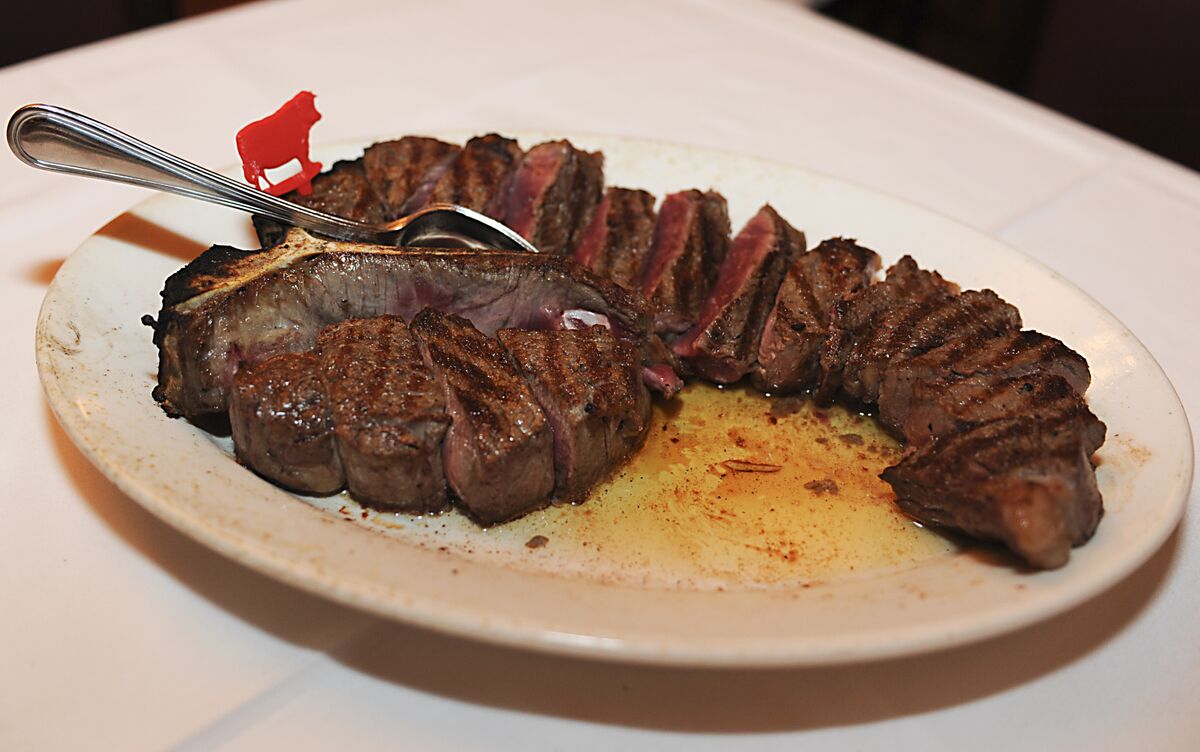
The article discusses the principal-agent problem, illustrating how personal favors, ranging from business dinners to compromising social engagements, can be leveraged to improperly influence decision-makers. Such tactics create either personal gratitude or, more potently, a sense of complicity and potential blackmail, compelling agents to act against their principal's best interests. This highlights critical governance and ethical risks in deal-making and underscores the importance of robust compliance frameworks to mitigate undue influence.
The article provides a conceptual analysis of the principal-agent problem in finance, framing it as a critical governance and ethical risk. It contrasts two methods of exerting undue influence: a 'euphemistic' approach using socially acceptable favors like steak dinners to foster gratitude, and a more potent, 'seedy' approach involving compromising situations, such as visits to strip clubs, to create complicity and fear. The core insight is that the latter method transforms a simple business relationship into one of co-conspiracy, giving the principal a powerful, blackmail-like leverage over the agent. This dynamic compels the agent to prioritize the relationship with the external party over their fiduciary duty to their employer. The discussion underscores the vulnerability of corporate and governmental decision-making to human fallibility and highlights the importance of robust internal controls and ethical frameworks that go beyond simple expense report monitoring. The pessimistic tone and negative sentiment signal reflect the article's cynical view on the ease with which ethical lines can be blurred in high-stakes negotiations.
AI-powered research, real-time alerts, and portfolio analytics for institutional investors.
Request DemoOverall Sentiment
moderately negative
Sentiment Score
-0.50
