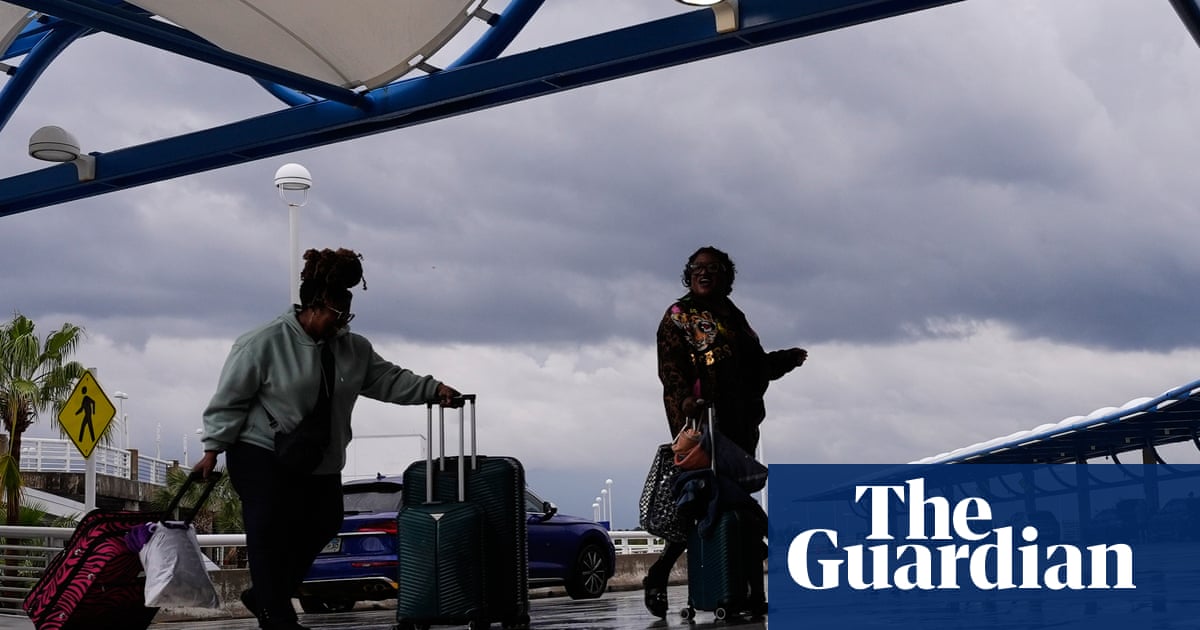
Flight disruptions totaled 9,112 delays and 4,763 cancellations by late afternoon as a late winter storm (up to 36in in the Midwest) and high winds hit the eastern US, with the National Weather Service warning of tornado risk across a swath from southern Pennsylvania to central South Carolina. The storm compounded travel chaos amid a partial DHS shutdown that left TSA screeners without pay, prompting staffing shortages (250+–300+ reported departures) and longer security lines at major hubs including Atlanta, New York and Chicago. Expect near-term operational pressure on airlines and airports (possible 1–3% stock moves for exposed carriers/airport operators) and elevated volatility for travel-related names until weather and staffing normalizes; continued political risk could extend staffing and service disruptions if the shutdown persists.
The immediate shock is multiplicative: reduced checkpoint throughput (from labor shortages) acts like a supply shock layered on top of weather-driven capacity loss, turning localized disruptions into 24–72 hour network-wide cascades. Airlines incur low-five-figure recovery costs per cancelled flight (crew repositioning, passenger re-accommodation, overnighting), so a few thousand cancellations plausibly translate into tens to low hundreds of millions of incremental near-term operating drag for the industry.
Second-order winners are automation and screening-tech vendors; airports under pressure will accelerate capex and vendor pilots to reduce reliance on fluctuating labor. Procurement and installation timelines are long — expect measurable order flow and vendor revenue acceleration in the 3–12 month window, not the next 30 days — but political pressure to fund retention/bonuses after any shutdown resolution is an additional near-term catalyst for airports and DHS-related spending.
Logistics and lodging are asymmetric: urgent air-freight and same-day surface logistics command pricing power during disruptions (benefit integrators and premium freight services), while hotels near major hubs see spot-rate lift from forced overnights and rebookings, partially offsetting lost airline demand. OTAs and booking platforms face elevated refund/credit churn that compresses short-term margins and raises working-capital needs; expect a knee-jerk revenue smoothing effect over the next quarter as rebooked travel pushes demand forward rather than eliminating it.
AI-powered research, real-time alerts, and portfolio analytics for institutional investors.
Request DemoOverall Sentiment
mildly negative
Sentiment Score
-0.35
