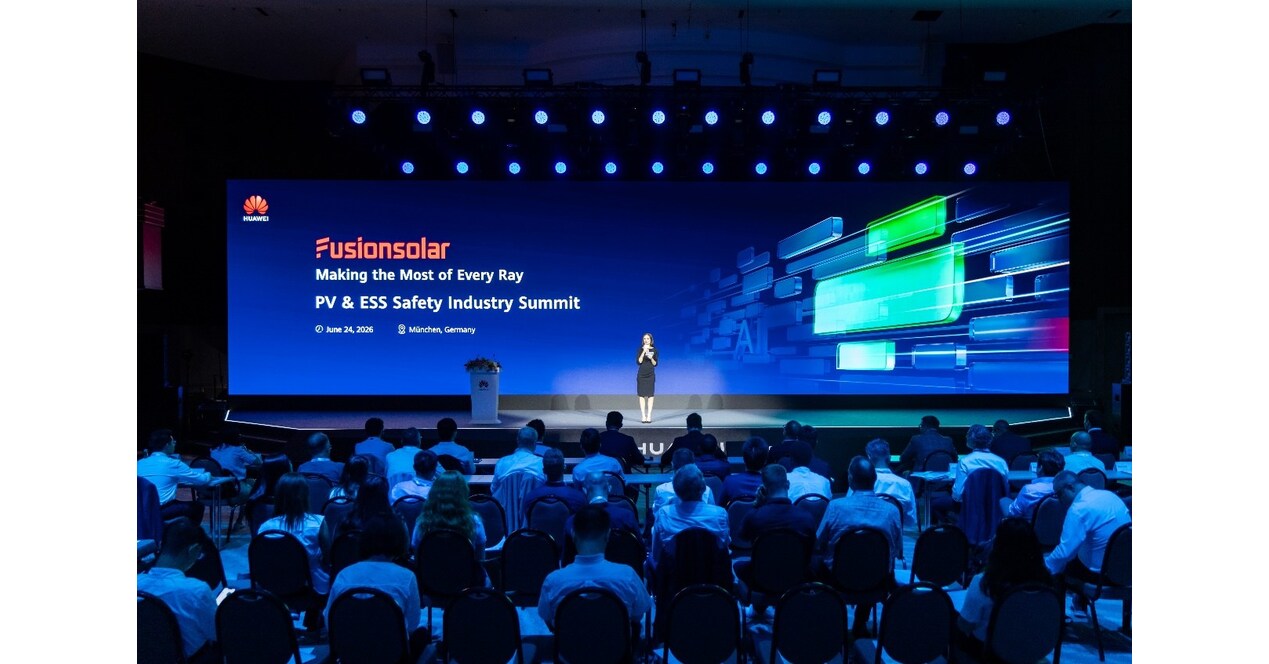
Huawei Digital Power na summitu PV & ESS Safety Industry Summit v Mnichově (24. června 2026) zdůraznila bezpečnostní rizika a nesoulad v pojistném krytí při rychlém rozvoji PV+ESS. V Německu má BESS celkovou kapacitu 19 GW a odvětví musí v příštích 3 letech splnit nové bezpečnostní směrnice a překonat regulační omezení. Příspěvky varují, že počet požárů roste (hlavní problém „informační neprůchodnost“) a že ~70 % závad BESS vzniká na systémové úrovni; akcentem je kvantitativní hodnocení bezpečnosti a testování (např. UL 9540A). Akce také představila bílou knihu pro Grid-Forming ESS, zaměřenou na jednotné bezpečnostní paradigma a digitalizaci.
The market implication is not a direct revenue step-up for WTW so much as a higher-friction underwriting environment for utility-scale storage. If insurers and lenders begin demanding installation-level test data and tighter fire-mitigation design, capital will migrate toward projects with bankable operating history and away from first-of-a-kind or thinly documented systems. That is a relative tailwind for advisory/brokerage franchises with risk-engineering credibility, but the real economics accrue to the balance-sheet gatekeepers: insurers, reinsurers, and project finance desks that can reprice risk.
The bigger second-order loser is the long tail of BESS integrators and developers whose economics depend on aggressive deployment timelines. A modest increase in deductibles, engineering sign-off, or retrofit capex can compress project IRRs by several hundred basis points, which matters more than headline demand growth. Over 1-3 months, the likely effect is slower closings and more diligence; over 6-18 months, the winners will be OEMs that can prove low-loss field performance and remote monitoring, while weaker players face consolidation pressure.
Contrarian view: this may be more of a standards-and-narrative event than a P&L event for WTW. Unless regulatory bodies or major carriers formalize these requirements, the direct fee upside for a broker is limited, and the tradeable impact is more likely in storage/renewables equities than in WTW itself. The thesis is falsified if European regulators keep standards voluntary or if insurers continue writing business without material premium or deductible changes.
AI-powered research, real-time alerts, and portfolio analytics for institutional investors.
Request DemoOverall Sentiment
neutral
Sentiment Score
0.08
Ticker Sentiment
