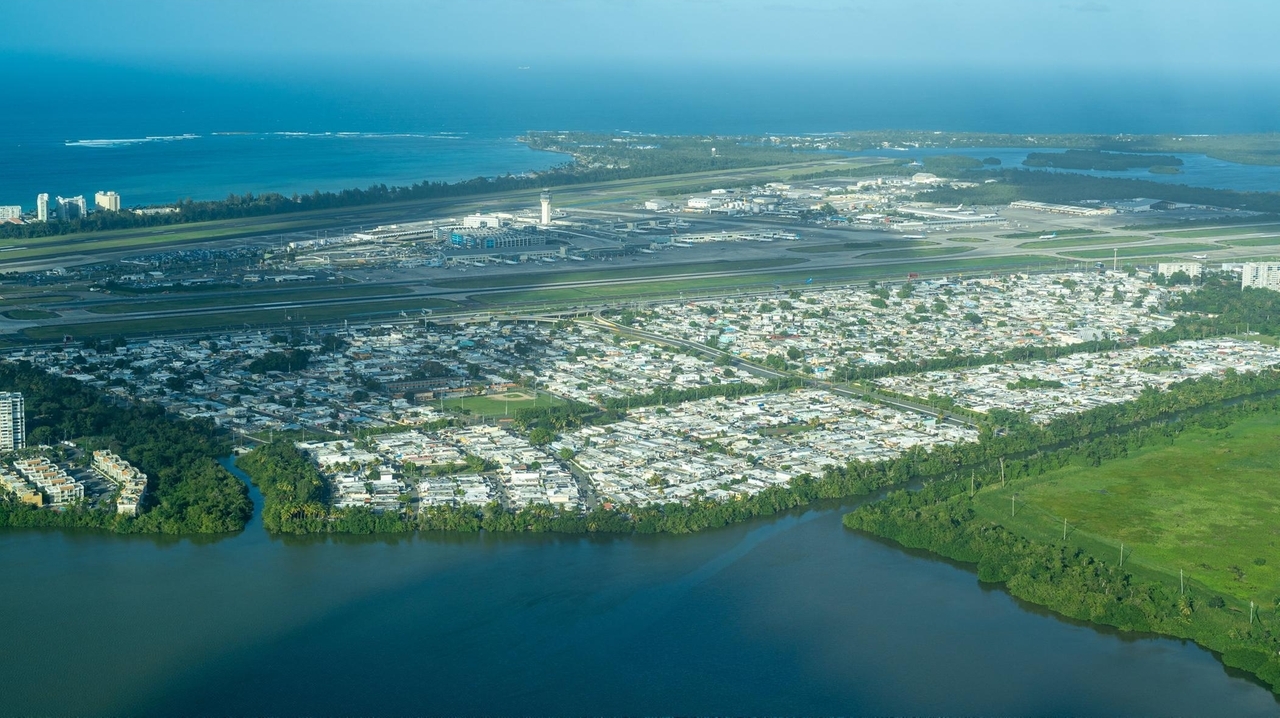
Following U.S. military strikes and an operation to capture Venezuelan President Nicolás Maduro and his wife, the FAA issued temporary Caribbean airspace restrictions that forced widespread flight cancellations and travel disruption; Luis Muñoz Marín International Airport reported the restriction and FlightAware recorded over 310 cancellations by 12:30 p.m., rising to more than 370 by 2:20 p.m. Major carriers including JetBlue, American and Delta issued waivers and began canceling flights in compliance with closures, while the FAA warned disruptions could last for days, creating short-term operational and revenue risks for airlines and tourism in the region.
Market structure: Immediate winners are defense contractors (LMT, RTX, NOC) and large integrated oil producers (XOM, CVX) via risk-premium re‑pricing; losers are Caribbean‑centric carriers and leisure operators (JBLU, AAL, CCL, RCL) facing lost revenue and higher operational costs. 370+ cancellations indicate a near‑term ~1–3% hit to US leisure route capacity and localized pricing power erosion (fares down/cancellations up) for 72 hours–7 days, while reroutes push unit costs higher via fuel burn.
Risk assessment: Tail risks include escalation to wider regional conflict, cyber disruption of aviation/ports, or US/EU sanctions that curb tankers—each could push Brent +$5–$15 and insurance costs materially higher. Time horizons: immediate (days) for travel disruption and FX safe‑haven flows; short (weeks–months) for oil and airline earnings revisions; long (quarters) if tourist substitution patterns or insurance premium resets persist.
Trade implications: Favor tactical long exposure to defense and energy (3–6 months) and hedged short exposure to leisure/cruise/Caribbean‑focused airlines for 1–3 months; use options to control downside and exploit volatility spikes (call spreads on XOM/CVX, short 30‑60d puts or buy 30d puts on JBLU/AAL). Cross‑asset: expect USD and Treasuries bid initially, implied vols in travel/energy to widen — use vols to structure premium sales on defense names only after a 15–25% run.
Contrarian angles: The market may overprice sustained oil shocks—Venezuela’s production is already constrained so a prolonged supply shock is low probability; historical parallels (short spikes after limited strikes) suggest mean reversion in 2–6 weeks. Action thresholds: add to energy if Brent rallies >7% (~$5–$7) or cut leisure shorts if FAA reopens region for >7 consecutive days.
AI-powered research, real-time alerts, and portfolio analytics for institutional investors.
Request DemoOverall Sentiment
moderately negative
Sentiment Score
-0.50
Ticker Sentiment
