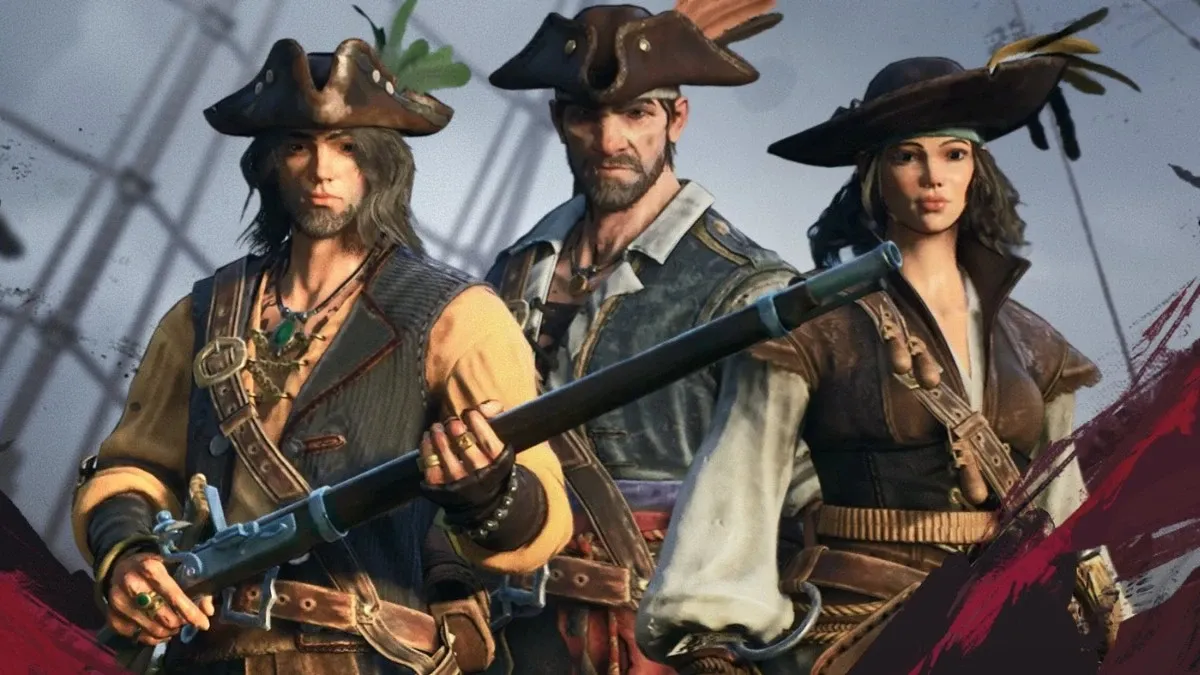
NetworkGo has delisted Pickmos from Steam after plagiarism allegations escalated, with the publisher now supervising development and considering a rework before any relaunch. The game had drawn criticism for characters seen as closely resembling Pokémon and Palworld assets, raising copyright and IP concerns. The near-term financial impact appears limited, but the incident highlights governance and intellectual property risk for the title and its developer.
This is less a game-specific event than a governance and monetization stress test for the broader “fast-follow” content cluster. The important second-order effect is that distribution platforms and IP holders will likely tighten pre-release screening, which raises the cost of launching any title whose differentiation relies on recognizable character archetypes rather than original design. That shift disproportionately hurts smaller publishers that depend on virality and meme-driven launch momentum, while advantaging incumbents with deeper legal review and stronger brand moats.
The near-term overhang is not only legal exposure but time-to-cash. Delisting from a major storefront can turn a short-lived attention spike into a multi-quarter reset, because wishlists, algorithmic ranking, and creator coverage decay fast once launch confidence is broken. Even if the project survives, a relaunch after asset changes typically compresses conversion rates and increases customer acquisition costs, meaning the economic damage can exceed any direct IP-related liability.
The market is probably underestimating how this expands beyond one title into an audit of adjacent pipelines: asset marketplaces, external art vendors, and indie publishing networks may all see stricter indemnity language and slower approvals. That creates a small but real tailwind for companies with proprietary content libraries and internal art production, while studios that monetize template-based creature battlers face a higher probability of cancellations or delayed launches over the next 3-6 months.
Contrarian view: the reputational hit may be sharper than the financial hit. A supervised rework could actually preserve some value if the publisher forces a cleaner design and uses the controversy to position the game as a community-rebuilt project; in that case, the downside is a delay rather than a full impairment. But until there is evidence of a materially different product, the base case remains degraded launch economics and elevated platform/publisher caution across the genre.
AI-powered research, real-time alerts, and portfolio analytics for institutional investors.
Request TrialOverall Sentiment
moderately negative
Sentiment Score
-0.45
