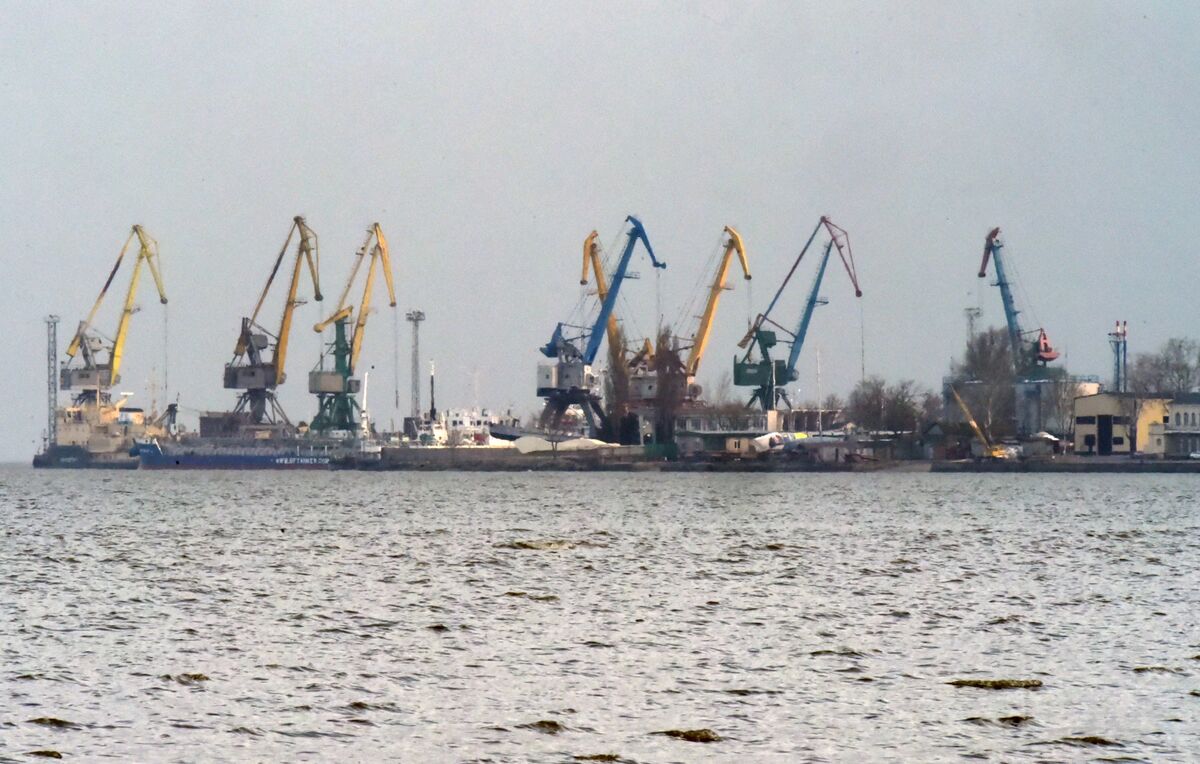
A Ukrainian drone attack on Russia’s Taganrog port sparked fires on a tanker, a fuel-storage tank, and an administrative building, though the blaze was later extinguished. No casualties or fuel leaks were reported. The incident underscores ongoing geopolitical and infrastructure risk to Russian energy and transport assets.
The immediate market implication is not the fire itself but the signal that low-cost, asymmetric disruption to Russian energy logistics remains available. Even when damage is contained, repeated hits on ports, tank farms, and coastal infrastructure force higher precautionary costs: rerouting, inventory buffers, elevated insurance, and tighter security spending. That is mildly bullish for global product cracks and freight volatility, but the larger effect is a slow erosion of Russia’s export optionality rather than a one-off supply shock.
Second-order beneficiaries are non-Russian suppliers that can absorb incremental demand if regional flows are interrupted, especially refiners and shipping names with exposure to alternative crude and product routes. The biggest loser is Russia’s domestic logistics stack: each incident increases the probability of temporary throughput loss, maintenance backlogs, and higher downtime across a network that is already operating under sanctions and import substitution constraints. Over weeks to months, the more important variable is whether insurers and counterparties begin pricing a higher tail-risk premium into Black Sea and Azov-linked shipments.
The key risk is that the market overreacts to headline fire risk while physical supply impact remains limited unless attacks become frequent or target higher-connectivity assets. If there is no sustained escalation, these events fade into a geopolitical volatility tax rather than a durable energy bull catalyst. The contrarian view is that this is more supportive of volatility than direction: crude may not trend meaningfully higher, but implied volatility and regional freight spreads can stay bid as participants hedge against episodic disruption.
AI-powered research, real-time alerts, and portfolio analytics for institutional investors.
Request TrialOverall Sentiment
mildly negative
Sentiment Score
-0.30
