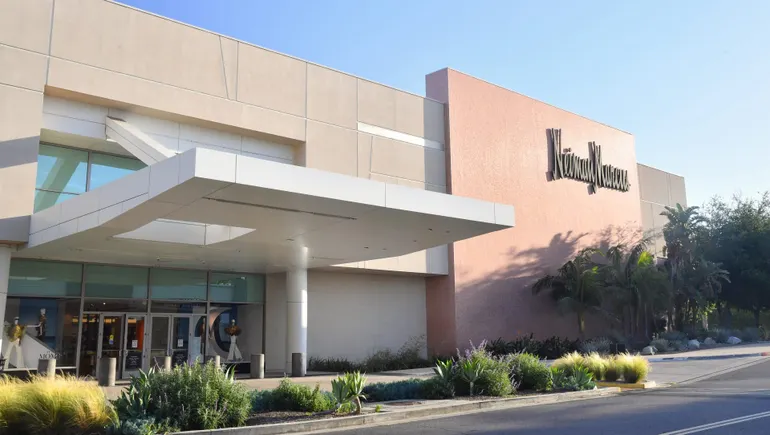
Saks Global announced the closure of 15 additional full-line stores (12 Saks Fifth Avenue, 3 Neiman Marcus) amid its Chapter 11 process, after previously closing nine full-line locations and nearly all off-price stores. Post-merger footprint is being trimmed to an expected ~32 Neiman Marcus and 13 Saks Fifth Avenue locations. Vendor relations are improving: shipping resumed by more than 500 brands (up from 400), releasing close to $1.3 billion in retail receipts—more than 80% of merchandise expected from February through April. The moves reduce real estate and inventory risk but signal continued restructuring risk and uncertainty for smaller vendors and brand differentiation.
The bankruptcy-driven footprint reset will accelerate an already-underway reallocation of luxury distribution: brands will pragmatically shift mix toward owned retail, DTC platforms, and concession/wholesale partners that offer firmer payment terms and richer brand control. That reallocation favors asset-light digital players and vertically integrated brands which capture a higher share of retail margin per unit sold; expect a 6–18 month window where wholesale revenue share declines materially for department-store-dependent vendors.
Landlords and mall ecosystems are a second-order lever. Large vacated anchors create an opportunity to densify rent per square foot by leasing multiple mono-brand flagships or experience-driven tenants, but execution depends on local tourist flows and landlord capital allocation; high-quality landlords with strong balance sheets and flexible redevelopment budgets can re-capture value within 12–24 months.
Vendor financing and trade-credit dynamics are the immediate choke points: smaller suppliers facing stretched receivables will either demand prepayment, move to more reliable partners, or sell through alternative channels (resale, pop-ups, marketplaces), compressing SKU breadth at remaining department stores. A rapid legal or cash settlement with key vendors would be the clearest short-term catalyst to stabilize inventory flow; conversely, protracted supplier exits would permanently erode premium assortment and traffic.
Contrarian case: the market may be pricing only downside; consolidation can lift store-level productivity, reducing SG&A per dollar of sales and improving FCF on a stabilized footprint. If tourist inflows and brand-direct strategies recover, remaining full-line stores could become structurally more profitable, generating asymmetric upside vs. current anxiety-priced equities.
AI-powered research, real-time alerts, and portfolio analytics for institutional investors.
Request DemoOverall Sentiment
mildly negative
Sentiment Score
-0.30
