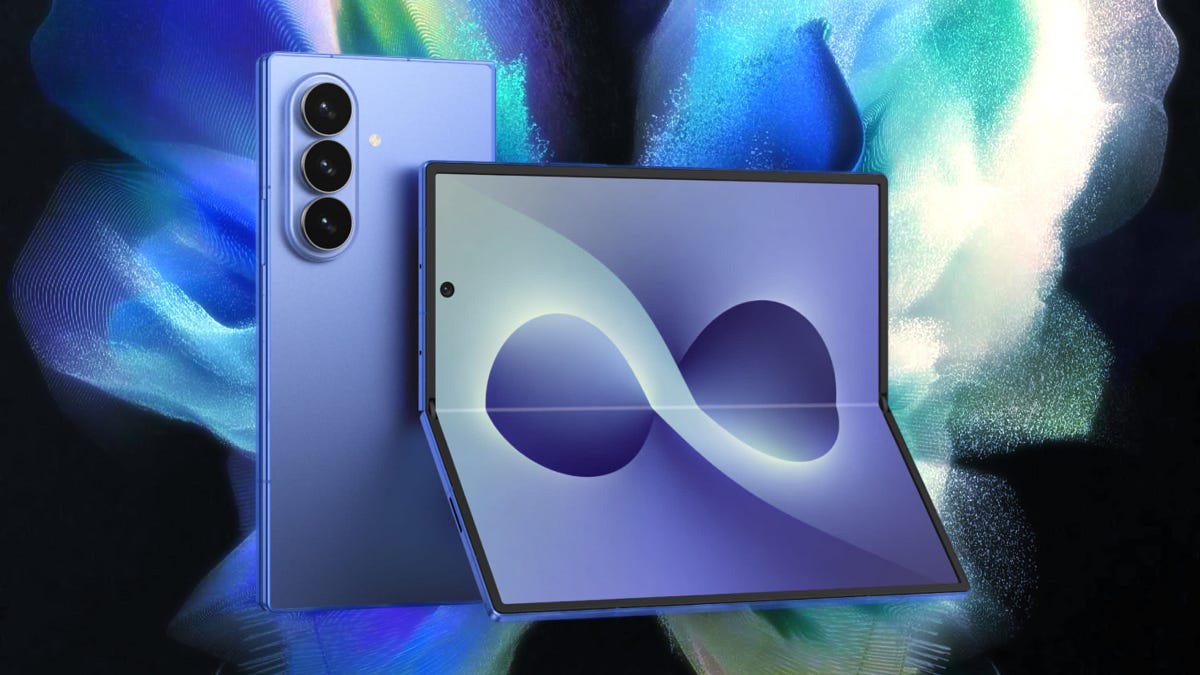
Samsung's Galaxy Z Fold 8 is rumored to be announced on July 22, with a likely launch on August 5 or 7 after a typical 14-16 day preorder window. The article says the foldable should be a minor update versus the Fold 7, including a 5,000mAh battery, S Pen support, Snapdragon 8 Elite Gen 5, and a new 50MP camera. No delay has been reported, and the device is expected to debut alongside the Galaxy Z Wide Fold and Galaxy Z Flip 8.
This is not a launch story so much as a sequencing story: Samsung is trying to compress attention across three foldables into one promotional window while protecting the premium halo around the category. That tends to help the ecosystem beneficiaries more than the handset OEM itself in the short run, because the market usually prices the event before it prices the actual sell-through. The real second-order read is that Samsung appears willing to trade margin for mix by leaning into a thicker device and a larger battery, which implies a higher bill of materials and a more difficult gross margin setup unless ASPs hold firm.
The competitive implication is that the foldable category is moving from novelty to iteration, which is bad for anyone betting on explosive upgrade cycles. If the update set is incremental, the biggest risk is channel fatigue: preorder excitement can remain high, but conversion into meaningful unit growth may stall after the first replacement wave. That would be particularly relevant for component suppliers exposed to hinge, display, and memory volumes, where the market often extrapolates event buzz into sustained demand too aggressively.
The contrarian setup is that the market may underappreciate how much of Samsung’s value creation here is strategic, not unit-driven. Maintaining foldable leadership can defend ecosystem share, keep premium brand positioning intact, and pressure rivals to spend more on design/R&D without necessarily forcing Samsung to chase peak unit growth. The near-term catalyst window is the 2-4 weeks around the announcement; the true tell is preorder data and retailer sell-through 30-60 days later. If those disappoint, the trade becomes a fade on the broader foldable supply chain rather than on Samsung itself.
AI-powered research, real-time alerts, and portfolio analytics for institutional investors.
Request DemoOverall Sentiment
neutral
Sentiment Score
0.08
