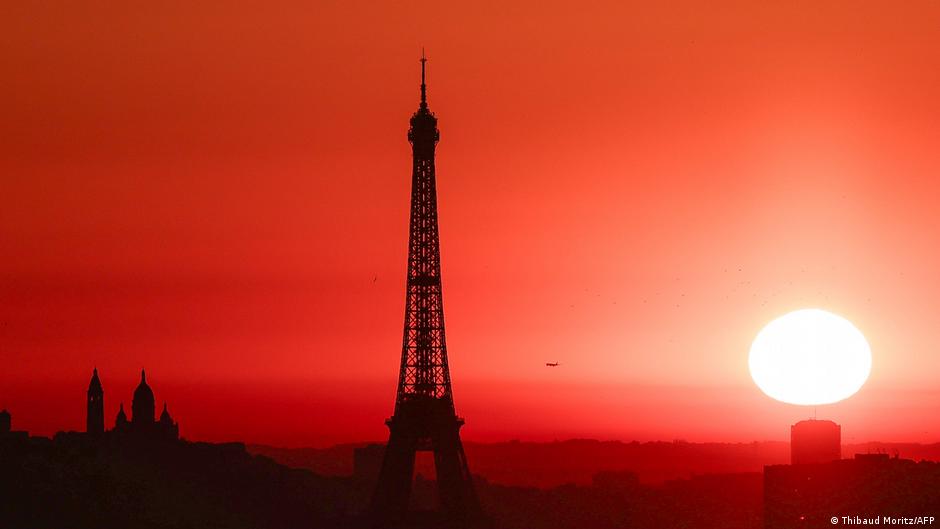
Europe faced unprecedented climate stress in 2025, including at least 95% of the continent recording above-average temperatures, more than 1 million hectares burned by wildfires, and sea surface temperatures at record highs for a fourth straight year. At the same time, the region posted a major clean-energy milestone: wind and solar overtook fossil fuels in the EU for the first time, with solar supplying about 13% of electricity and nearly half of Europe’s power now coming from renewables. The report underscores escalating physical climate risk alongside accelerating energy transition momentum.
The market implication is not simply “more green capex,” but a widening dispersion in operating cash flows across European corporates. Climate volatility is acting like a hidden tax on insurers, utilities with hydro exposure, agribusiness, and inland logistics, while boosting firms with solar-heavy generation, grid balancing assets, and weather analytics. The second-order effect is that extreme heat and drought are likely to compress industrial output and lift input costs at the same time, a stagflationary mix that should favor quality balance sheets and pricing power over cyclical beta.
The clean-energy backdrop is more nuanced than a straight-line bullish call. Higher solar penetration is supportive for developers, inverter makers, storage, and grid equipment, but it also increases the need for flexibility assets because the marginal value of midday solar falls as curtailment and negative pricing episodes rise. That creates a better setup for batteries, transmission, and demand-response than for pure-play generation exposed to merchant power spreads. The real beneficiaries are likely to be the suppliers that solve intermittency, not the ones that merely add megawatts.
A key risk is that the market may underprice the lag between climate damage and policy/utility capex response: near-term earnings pressure from weather disruptions can hit before incremental spending on grids and resilience shows up, which makes the next 2-4 quarters vulnerable for exposed sectors. Another contrarian point is that warmer, sunnier conditions are not an unalloyed positive for renewables if they accelerate curtailment, raise balancing costs, and increase political backlash over power price volatility. The trade is therefore not “long Europe green” broadly, but long the infrastructure behind it and short the businesses most exposed to weather shocks and power-market dislocations.
AI-powered research, real-time alerts, and portfolio analytics for institutional investors.
Request DemoOverall Sentiment
mildly negative
Sentiment Score
-0.15
