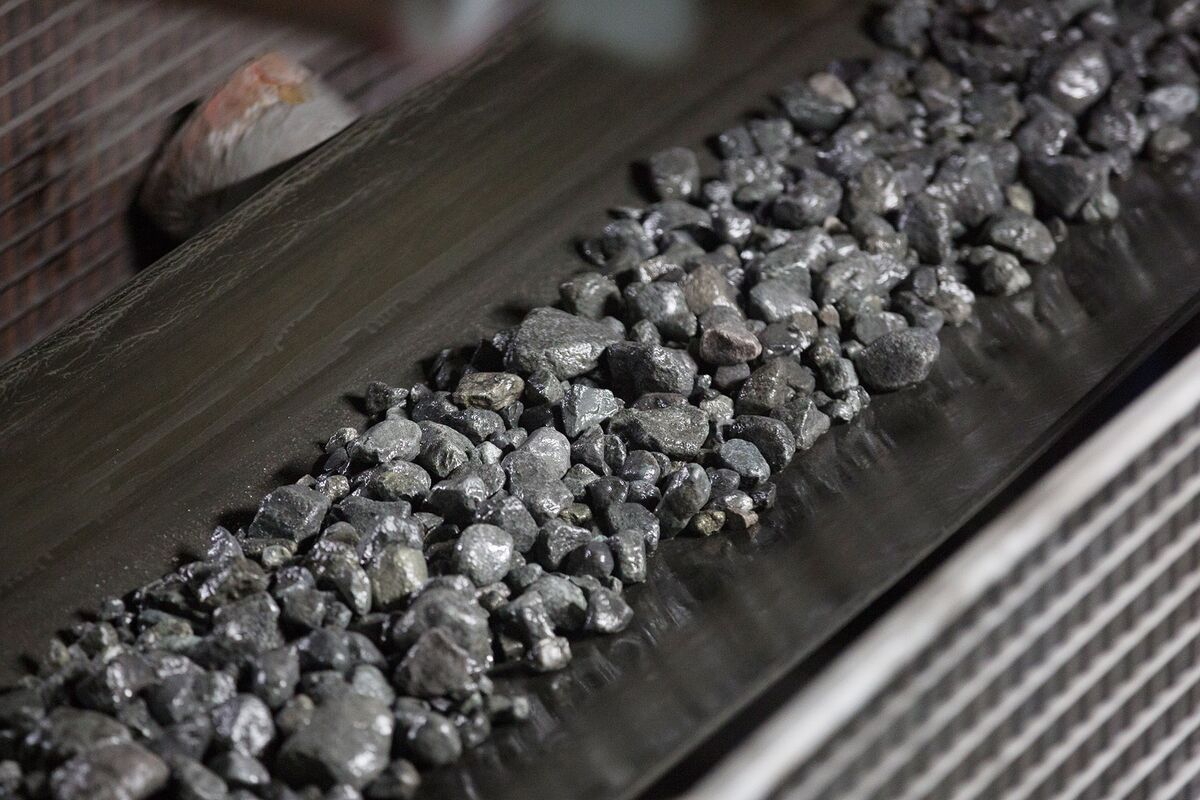
Indonesia will raise benchmark prices for nickel ore starting Wednesday, lifting price floors across all grades and adding byproduct metals such as cobalt to the benchmark. The change increases feedstock costs for local nickel processors, who are already under pressure from Middle East war-related cost spikes. The move is negative for downstream refiners and battery-material supply chains, though the market impact is likely to be concentrated in Indonesia and nickel-related industries.
This is a classic margin squeeze for the marginal nickel unit, not just a modest input-cost tweak. By lifting the floor and embedding cobalt value into the benchmark, Jakarta is effectively reallocating rent upstream from refiners to miners/state fiscal receipts, which should widen the cost curve and force weaker processors to either absorb losses or pass through pricing into stainless and battery-material chains. The immediate loser set is the local downstream complex, but the second-order effect is that non-Indonesian refiners and higher-cost laterite-to-matte pathways become relatively more competitive over the next 1-3 quarters. The geopolitics angle matters because processors already face freight/energy volatility; this change compounds an operating environment where inventory turns and working capital are likely to deteriorate. If buyers were relying on Indonesia as the global swing supplier for low-cost nickel units, this move reduces the odds of a quick supply response to demand weakness and raises the probability of temporary capacity shutdowns or delayed restarts among the weakest smelters. That can create a paradoxical near-term floor for benchmark nickel prices even as end-demand remains soft. The contrarian risk is that the policy is bearish for throughput but not necessarily bearish for the commodity complex if it accelerates rationalization. In 3-6 months, the market may discover that marginal supply destruction offsets the higher ore benchmark, especially if Chinese stainless demand remains sluggish and processors cut output rather than chase negative spreads. The move also increases political risk around export controls or further formula changes; if downstream lobbying intensifies, a partial rollback or phased implementation is the key reversal catalyst. For investors, the cleanest expression is relative value: long higher-quality nickel/minerals exposure outside Indonesia versus short downstream nickel processing chains with weak balance sheets. The trade works best on a 1-3 month horizon if the market underestimates how quickly the benchmark change compresses processor EBITDA and working capital. Expect the first reaction to be exaggerated in local processors, but the medium-term winner may be integrated miners with secure ore access and pricing power.
AI-powered research, real-time alerts, and portfolio analytics for institutional investors.
Request DemoOverall Sentiment
moderately negative
Sentiment Score
-0.35
