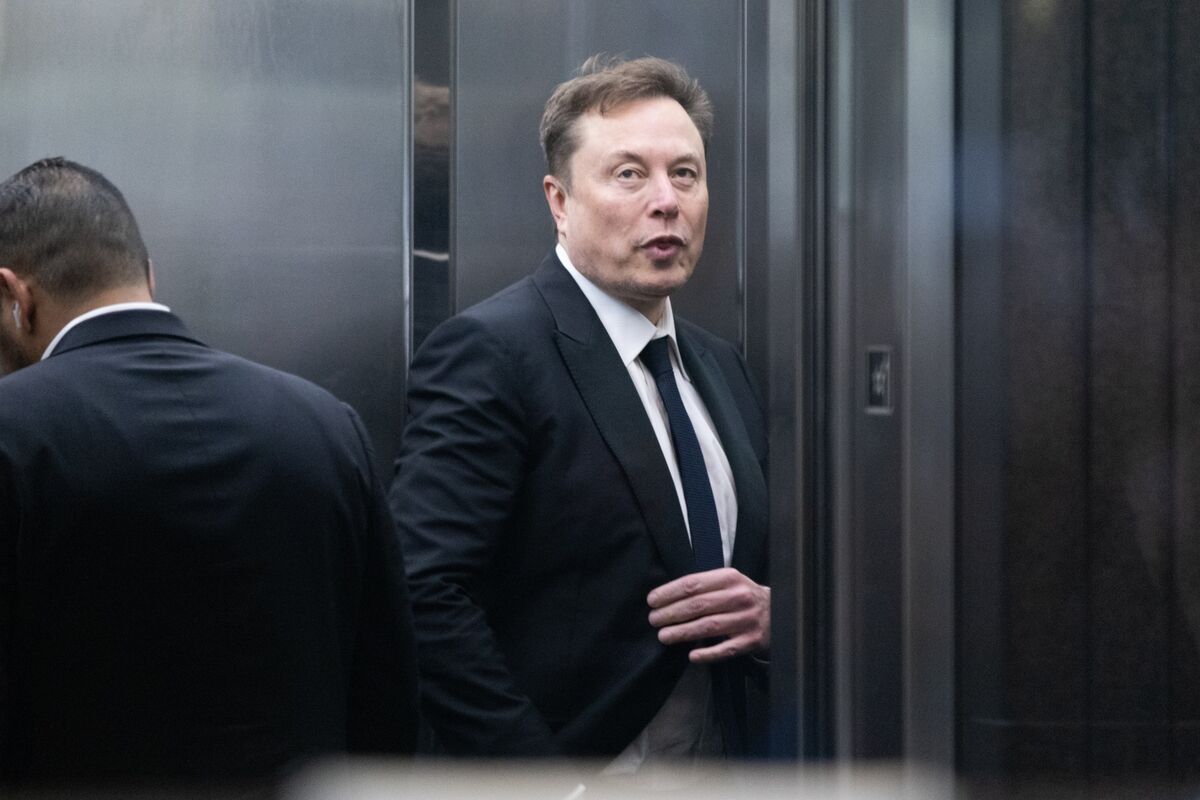
A US federal judge said she cannot "rubber stamp" a proposed $1.5 million settlement between Elon Musk and the SEC, citing "red flags" in the deal. The settlement is intended to resolve the SEC's lawsuit over Musk's delayed 2022 disclosure of his growing Twitter stake. The ruling increases legal uncertainty for Musk and keeps the case open pending further review.
This is less about the dollar amount and more about process risk around a personality-driven issuer. A judge refusing to bless a negotiated resolution increases the odds of a slower, more intrusive legal path, which keeps a governance overhang on any asset where Musk exerts dominant control; the market should treat this as a modest but persistent multiple discount rather than a one-day headline shock. The second-order effect is on how counterparties, boards, and regulators price the probability that informal control structures get challenged again.
For TSLA, the direct earnings impact is negligible, but the real cost is optionality: management distraction, depositions/discovery risk, and the possibility that a judge uses this matter to scrutinize the quality of prior disclosures or settlement terms more broadly. That can matter over weeks to months because it reinforces the narrative that governance risk is not fully separable from operating performance, which can suppress multiple expansion even if deliveries and margins improve. If the case drags, expect incremental pressure on sentiment from institutions that already require a larger governance premium for founder-led names.
The contrarian view is that this is probably not a catalyst for a large selloff unless the judge signals deeper substantive issues. In other words, the market may overstate the probability of a binary negative outcome while underestimating the more common outcome: a longer timeline with little direct economic consequence. That favors selling downside vol rather than outright directional exposure if shares are already pricing in an outsized legal event.
The better read-through is on regulatory precedent: if the SEC is forced to justify the deal in court, it may become less willing to offer easy settlements in future high-profile cases, increasing compliance costs for other founder-controlled tech/platform names. That is a multi-quarter theme rather than a day trade, and it argues for a governance-aware basket approach instead of isolating this as a one-name legal headline.
AI-powered research, real-time alerts, and portfolio analytics for institutional investors.
Request DemoOverall Sentiment
mildly negative
Sentiment Score
-0.15
