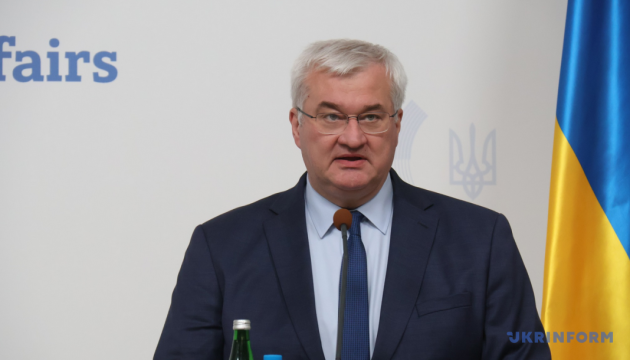
Estonia, Latvia, and Lithuania blocked Slovak Prime Minister Robert Fico's plane from using their airspace en route to Moscow for May 9 events, underscoring continued European opposition to ties with Russia. Ukrainian Foreign Minister Sybiha praised the move and urged other countries to deny airspace access, citing Russia's ongoing war against Ukraine and the need for sustained pressure. The article is geopolitically relevant but carries limited direct market impact.
This is less about a single flight path and more about the hardening of intra-European political segmentation. The Baltic airspace denial is a low-cost signal that raises the reputational and logistical cost of overtly pro-Russia alignment inside the EU, and it also normalizes a broader pattern of selective friction in civil aviation that can reappear quickly around future symbolic dates. The first-order market read is muted, but the second-order effect is higher policy dispersion across the region, which tends to widen risk premia for assets tied to Eastern Europe corridors, cross-border aviation, and sanctions-sensitive counterparties.
The more important catalyst is not the event itself but the precedent: if airspace access becomes a recurring enforcement tool, transport planners and insurers will start embedding geopolitical route risk into pricing, especially on Baltic and Central European lanes. That can incrementally lift operating costs for airlines and freight operators even without direct sanctions, because rerouting adds fuel burn, crew time, and scheduling inefficiency. Over months, the cumulative effect is a small but persistent tax on regional commerce; over days, the market impact stays mostly in headline-sensitive defense and cyber names rather than hard-asset sectors.
Contrarian take: the consensus may be overstating the immediate macro significance while underpricing the signaling value for NATO-border infrastructure resilience. If this type of coordination spreads, the real beneficiaries are not obvious defense primes alone but firms exposed to airspace monitoring, secure communications, and perimeter infrastructure upgrades. The risk to any trade here is that the event fades unless it is followed by additional route denials or retaliatory diplomatic measures within the next few weeks; absent escalation, the trade becomes a slow-burn thematic rather than a catalyst-driven move.
AI-powered research, real-time alerts, and portfolio analytics for institutional investors.
Request DemoOverall Sentiment
neutral
Sentiment Score
-0.10
